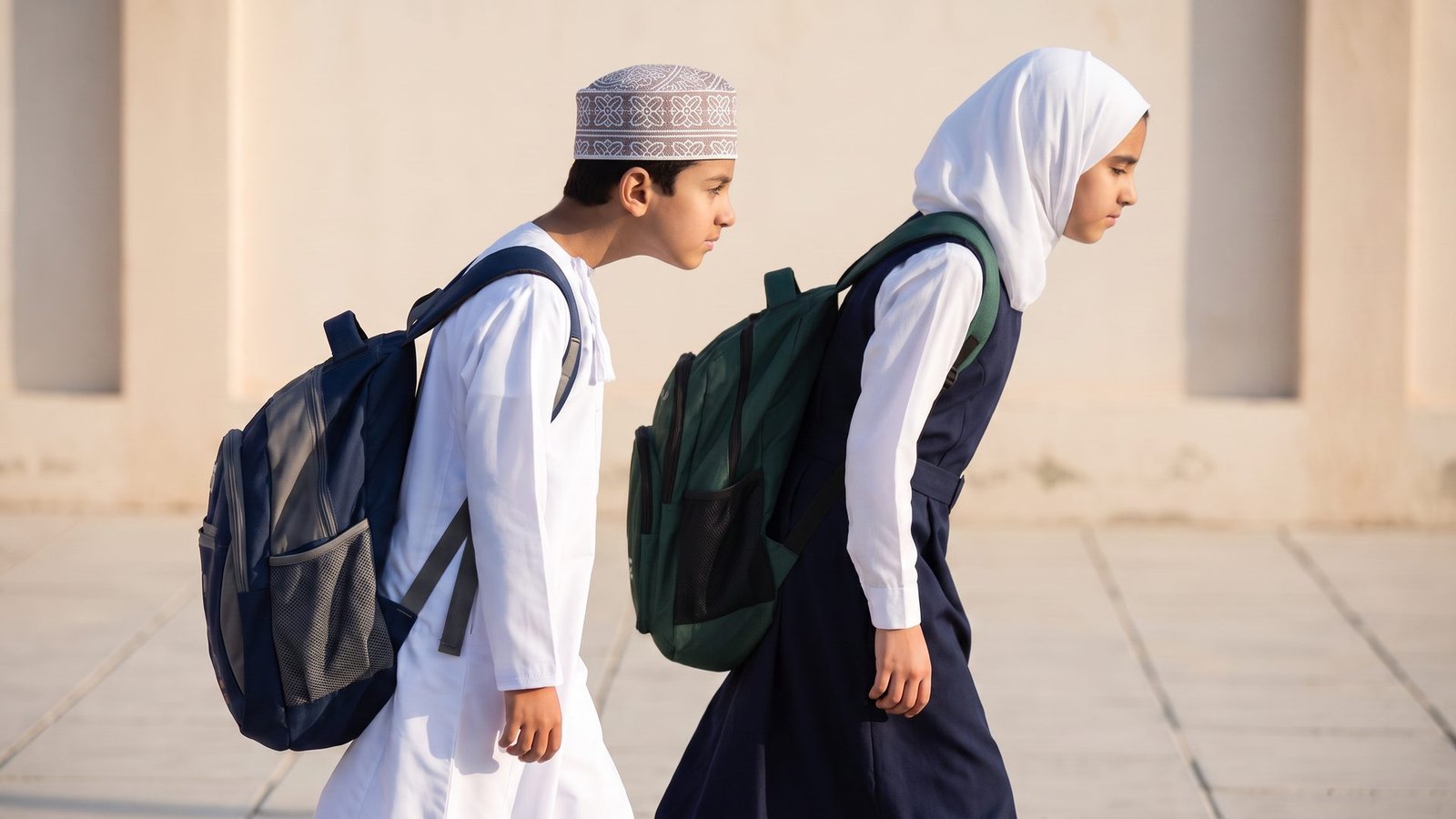
Every August the school bags come back out, and for the next ten months your child will carry them five days a week. Most of the time that is completely fine. Sometimes it is not — and the difference is easy to check before term starts rather than in October when the shoulder aches have already become a habit.
The number that matters: 10–15% of body weight
The guideline used most widely is that a loaded school bag should stay within roughly 10–15% of the child's body weight. In practical terms:
- A 25 kg child (around 7 years) — about 2.5 to 3.75 kg
- A 40 kg child (around 11 years) — about 4 to 6 kg
- A 55 kg teenager — about 5.5 to 8 kg
Almost no parent knows what their child's bag actually weighs. The quickest check takes thirty seconds: stand on a bathroom scale and note your weight, then stand on it holding the packed bag. The difference is the bag.
Do it with the bag as your child actually carries it on a normal Tuesday — books, tablet, PE kit, lunch and a full water bottle. A one-litre bottle is a kilogram on its own.
Weight is only half the problem — how it is carried is the other half
A correctly worn 5 kg bag is kinder to a spine than a badly worn 3 kg one. Four things matter more than most parents realise:
- Both straps, every time. Slinging the bag over one shoulder loads one side of the spine and forces the body to lean away to counterbalance. It is the single most common mistake, and it is almost entirely social — one strap looks better.
- Where the bag sits. It should rest between the shoulder blades and the waist. A bag hanging low, near the hips, sits further from the body's centre and pulls the child backwards, which they compensate for by leaning forward.
- Strap tightness. Loose straps let the bag swing away from the back, which multiplies its effective load. Snug enough that the bag moves with the child, not after them.
- What is packed where. Heaviest items should sit closest to the spine, not out at the back of the bag where they act on a longer lever.
What a heavy bag actually does to a growing spine
Carry a load on your back and your body has to counterbalance it. Children do this by leaning the trunk forward and pushing the head in front of the shoulders. That is a sensible short-term strategy, and by itself it is harmless.
The concern is not one walk from the car park. It is the repetition — the same compensatory pattern held for ten to twenty minutes a day, five days a week, across the years when the skeleton is growing and adapting fastest. Postural muscles fatigue, and a posture that starts as compensation can persist after the bag comes off. Parents often describe it as a child who "has started to slouch" in a particular term.
This is the same forward-head mechanism we describe in tech neck, and for most school-age children the phone and the school bag are pulling in exactly the same direction.
School bags and scoliosis: what the evidence actually says
This deserves a direct answer, because a great deal of what is shared online about it is wrong.
Carrying a heavy school bag does not cause scoliosis. Adolescent idiopathic scoliosis is not caused by bags, posture, sports or sleeping position. If a curve develops, it was not because of the bag, and no amount of careful packing would have prevented it.
What is true is a matter of timing. Children carry their heaviest bags between roughly 10 and 15 — which is precisely the age band when idiopathic scoliosis tends to appear and progress fastest, because it progresses with growth. So the school years are not the cause of scoliosis, but they are the window in which it becomes visible.
There is a practical risk in confusing the two. When a parent notices an uneven shoulder and attributes it to the school bag, the check that should have happened gets postponed — sometimes for a year, which in a growing spine is a long time. If you see asymmetry, measure it rather than explain it away. Our guide to scoliosis in children and why early screening matters covers what that involves.
The signs worth checking this week
Have your child stand relaxed, facing away from you, ideally in just shorts and a t-shirt. Look for:
- Shoulders that are not level
- One shoulder blade more prominent than the other
- Uneven gaps between the arms and the waist, or uneven waist creases
- Clothing that consistently hangs unevenly, or a hemline that sits crooked
- The head sitting forward of the shoulders when viewed from the side
And in daily life: rubbing or red marks on the shoulders after school, tingling or numbness in the arms from strap pressure, a child who leans noticeably forward when walking with the bag, or one who has quietly stopped carrying it properly.
One point deserves emphasis. Persistent back pain in a child is less common than in an adult and should not simply be dismissed. An occasional ache after a heavy day is ordinary; pain that lasts more than a week or two, wakes them at night, or comes with any weakness or numbness deserves assessment.
Backpack, trolley or satchel?
A correctly fitted two-shoulder backpack is the best default for most children. Look for wide padded straps, a padded back panel, and ideally a waist strap on heavier bags — the waist strap is widely ignored and transfers a meaningful share of the load off the shoulders.
Trolley bags genuinely remove weight from the back, which makes them worth considering for children carrying unavoidably heavy loads. But they introduce one-sided twisting when pulled, they are awkward on stairs, kerbs and uneven ground, and some schools do not allow them. If your child uses one, get them to swap pulling hands regularly.
Single-strap satchels and tote bags are the least desirable of the three for daily carrying, for the asymmetry reason above.
What Muscat parents can fix this week
- Weigh it, using the scale method above. If it is over the guideline, the rest of this list matters more.
- Empty it weekly. Children accumulate. A Thursday clear-out routinely removes a kilogram of things that have not been needed since May.
- Fill the water bottle at school rather than carrying a full litre from home.
- Count the tablet or laptop as part of the load, and leave the charger at home unless it is genuinely needed.
- Use the locker, or ask whether textbooks can stay at school. Many schools allow more than parents assume.
- Adjust the straps at the start of term and again after any growth spurt. A bag fitted in September is rarely still fitted correctly in February.
There is also a Muscat-specific point worth naming. Most children here are driven to school rather than walking, so carrying time is short — that is genuinely protective. But it also means less incidental daily movement, and through the hottest months outdoor play drops sharply. A child with a well-fitted bag and very little physical activity is not necessarily in a better position than one who walks. We wrote about that seasonal pattern in why your spine suffers in the Gulf summer heat.
When a posture check is worth booking
Consider an assessment if:
- Any of the asymmetry signs above are present, and do not correct when your child stands tall
- Back, neck or shoulder pain has lasted more than one to two weeks
- There is a family history of scoliosis — the strongest single risk factor
- Your child is entering or going through an obvious growth spurt
- Your child is between roughly 10 and 14, the peak window for idiopathic scoliosis appearing
What a children's posture assessment involves here
At CBP Precision Spine Center — Oman's only Advanced Certified Chiropractic BioPhysics® practice — a children's assessment is deliberately measured rather than eyeballed:
- A postural analysis that quantifies shoulder, pelvis and head position against known normal values, so a follow-up in six months is a comparison rather than an opinion
- A forward-bend screen with a scoliometer, the standard non-imaging way to detect the trunk rotation that indicates scoliosis
- Imaging only where it is clinically indicated. We do not X-ray children routinely. Where a scan is genuinely needed, it is because the screen found something that changes the plan
- A plain-English explanation to both parent and child — including, frequently, that nothing needs treating and a recheck after the next growth spurt is enough
That last outcome is the most common one, and it is a perfectly good result. The point of checking at this age is not to find something. It is to know.
Frequently asked questions
How heavy should my child's school bag be?
A loaded school bag should generally stay within about 10–15% of your child's body weight. That is roughly 2.5–3.75 kg for a 25 kg child, 4–6 kg for a 40 kg child, and 5.5–8 kg for a 55 kg teenager. The easiest way to check is to weigh yourself on a bathroom scale, then weigh yourself holding the packed bag and take the difference. Most parents are surprised.
Can a heavy school bag cause scoliosis?
No. Adolescent idiopathic scoliosis is not caused by school bags, posture, sports or sleeping position, and carrying a heavy bag will not create a curve that was not going to develop. What matters is timing: children carry their heaviest bags between roughly 10 and 15, which is exactly when idiopathic scoliosis tends to appear and progress fastest. The bag is not the cause, but the school years are the detection window.
What are the signs my child's posture needs checking?
Look from behind while your child stands relaxed: are the shoulders level, is one shoulder blade more prominent, are the waist creases even, does clothing hang evenly? From the side, does the head sit forward of the shoulders? Also note rubbing of the shoulders after school, tingling in the arms from strap pressure, or a child who habitually leans forward when walking with the bag.
Is a trolley bag better than a backpack for children?
Not automatically. A correctly fitted two-shoulder backpack, worn on both shoulders and sitting between the shoulder blades and the waist, is the best default for most children. Trolley bags remove the load from the back but introduce one-sided twisting when pulled, and they are awkward on stairs, kerbs and uneven ground. A single-strap satchel worn across one shoulder is the least desirable option of the three.
At what age should a child have a posture or scoliosis check?
Around the start of the growth spurt is the most useful moment — commonly about 10 to 12 for girls and 12 to 14 for boys — and again if a growth spurt is obvious. Bring it forward if there is a family history of scoliosis, if you notice asymmetry, or if your child has back pain lasting more than a week or two.
Is my child just slouching, or is something structural going on?
A useful distinction: habitual slouching corrects easily when you ask the child to stand tall, and it looks symmetrical from behind. A structural issue tends to persist when they straighten up, and usually shows asymmetry — one shoulder or hip higher, one shoulder blade more prominent. If it does not correct on request, it is worth measuring rather than nagging.
Want your child's posture checked before term starts? Book an assessment at CBP Precision Spine Center — 336 18th November Street, Azaiba. Call 7277 7796 or book online.
في كلّ أغسطس تعود الحقائب المدرسية إلى الظهور، وعلى مدى عشرة أشهرٍ تالية سيحملها طفلك خمسة أيامٍ في الأسبوع. وفي معظم الأحيان لا مشكلة في ذلك إطلاقاً. لكن أحياناً تكون هناك مشكلة — والفارق يسهل فحصه قبل بدء الدراسة، بدل أكتوبر حين تكون آلام الكتف قد صارت عادة.
الرقم المهمّ: 10–15% من وزن الجسم
الإرشاد الأكثر شيوعاً هو أن يبقى وزن الحقيبة المُعبّأة ضمن نحو 10–15% من وزن جسم الطفل. وعملياً:
- طفل وزنه 25 كجم (نحو 7 سنوات) — من 2.5 إلى 3.75 كجم تقريباً
- طفل وزنه 40 كجم (نحو 11 سنة) — من 4 إلى 6 كجم تقريباً
- مراهق وزنه 55 كجم — من 5.5 إلى 8 كجم تقريباً
لا يكاد أيّ وليّ أمرٍ يعرف الوزن الفعلي لحقيبة طفله. وأسرع فحصٍ يستغرق ثلاثين ثانية: قف على ميزانٍ منزلي وسجّل وزنك، ثمّ قف عليه حاملاً الحقيبة المعبّأة. الفارق هو وزن الحقيبة.
وافعل ذلك بالحقيبة كما يحملها طفلك في يومٍ اعتيادي — الكتب واللوح الإلكتروني وملابس الرياضة والغداء وزجاجة ماءٍ ممتلئة. فزجاجة سعة لتر واحد تزن كيلوغراماً بمفردها.
الوزن نصف المشكلة فقط — والنصف الآخر طريقة الحمل
حقيبة وزنها 5 كجم تُحمَل بطريقةٍ صحيحة أرفق بالعمود الفقري من أخرى وزنها 3 كجم تُحمَل بطريقةٍ خاطئة. وأربعة أمورٍ تَهمّ أكثر ممّا يظنّ معظم الأهل:
- الحزامان معاً، في كلّ مرّة. حمل الحقيبة على كتفٍ واحد يُحمّل جانباً واحداً من العمود الفقري ويُجبر الجسم على الميل إلى الجهة المقابلة للموازنة. وهو الخطأ الأكثر شيوعاً، وسببه اجتماعيّ في الغالب — فالحزام الواحد يبدو أجمل.
- موضع استقرار الحقيبة. ينبغي أن تستقرّ بين لوحَي الكتف والخصر. أمّا الحقيبة المتدلّية إلى الأسفل قرب الوركين فتبتعد عن مركز الجسم وتشدّ الطفل إلى الخلف، فيُعوّض هو بالميل إلى الأمام.
- إحكام الأحزمة. الأحزمة المرتخية تجعل الحقيبة تتأرجح بعيداً عن الظهر، ما يضاعف حِملها الفعلي. أحكِمها بحيث تتحرّك الحقيبة مع الطفل لا بعده.
- ترتيب المحتويات. ينبغي أن تكون الأثقل أقرب ما يمكن إلى العمود الفقري، لا في مؤخّرة الحقيبة حيث تعمل على ذراع رافعةٍ أطول.
ما الذي تفعله الحقيبة الثقيلة فعلياً بعمودٍ فقريّ نامٍ
احمل ثقلاً على ظهرك وسيضطرّ جسمك إلى موازنته. ويفعل الأطفال ذلك بميل الجذع إلى الأمام ودفع الرأس أمام الكتفين. وهي استراتيجية معقولة على المدى القصير، وغير ضارّة بحدّ ذاتها.
ما يدعو للانتباه ليس مشواراً واحداً من موقف السيارات، بل التكرار — النمط التعويضي نفسه لعشر إلى عشرين دقيقة يومياً، خمسة أيامٍ في الأسبوع، عبر السنوات التي ينمو فيها الهيكل العظمي ويتكيّف بأسرع وتيرة. فعضلات القوام تتعب، والوضعية التي بدأت تعويضاً قد تستمرّ بعد نزع الحقيبة. وكثيراً ما يصف الأهل ذلك بأنّ الطفل "بدأ ينحني" في فصلٍ دراسيّ بعينه.
وهي الآلية نفسها التي نصفها في رقبة التكنولوجيا، ولدى معظم أطفال المدارس يشدّ الهاتف والحقيبة المدرسية في الاتجاه نفسه تماماً.
الحقائب المدرسية والجنف: ما تقوله الأدلّة فعلاً
هذا يستحقّ إجابةً مباشرة، لأنّ كثيراً ممّا يُتداول حوله على الإنترنت خاطئ.
حمل حقيبةٍ مدرسيةٍ ثقيلة لا يُسبّب الجنف. الجنف مجهول السبب لدى المراهقين لا تُسبّبه الحقائب ولا الوضعية ولا الرياضة ولا وضعية النوم. وإن تطوّر انحناء، فلم يكن بسبب الحقيبة، ولم يكن أيّ قدرٍ من التعبئة الحريصة ليمنعه.
أمّا الصحيح فمسألة توقيت. يحمل الأطفال أثقل حقائبهم بين العاشرة والخامسة عشرة تقريباً — وهي بالضبط الفئة العمرية التي يظهر فيها الجنف مجهول السبب ويتقدّم بأسرع وتيرة، لأنّه يتقدّم مع النموّ. فسنوات الدراسة ليست سبب الجنف، لكنّها النافذة التي يصبح فيها مرئياً.
وثمّة خطرٌ عمليّ في الخلط بين الأمرين. فحين يلاحظ وليّ الأمر كتفاً غير متساوٍ ويعزوه إلى الحقيبة المدرسية، يتأجّل الفحص الذي كان ينبغي إجراؤه — أحياناً سنةً كاملة، وهي مدّة طويلة في عمودٍ فقريٍّ نامٍ. فإن رأيت عدم تناظر، فقِسه بدل تبريره. ويتناول دليلنا عن الجنف عند الأطفال وأهمية الفحص المبكر ما يتضمّنه ذلك.
العلامات الجديرة بالفحص هذا الأسبوع
اطلب من طفلك أن يقف مسترخياً مُديراً ظهره إليك، ويُفضّل بشورت وقميص فقط. وابحث عن:
- كتفين غير متساويين
- لوح كتفٍ أبرز من الآخر
- فجوات غير متساوية بين الذراعين والخصر، أو ثنيات خصرٍ غير متناظرة
- ملابس تتدلّى باستمرار بشكلٍ غير متساوٍ، أو حاشية ثوبٍ مائلة
- رأسٌ يتقدّم عن الكتفين عند النظر من الجانب
وفي الحياة اليومية: فرك الكتفين أو ظهور علاماتٍ حمراء عليهما بعد المدرسة، أو وخز أو خَدَر في الذراعين من ضغط الأحزمة، أو طفلٌ يميل بوضوحٍ إلى الأمام أثناء المشي بالحقيبة، أو توقّف بهدوء عن حملها بشكلٍ صحيح.
ونقطةٌ تستحقّ التأكيد: ألم الظهر المستمرّ لدى الطفل أقلّ شيوعاً منه لدى البالغ ولا ينبغي تجاهله ببساطة. فالألم العابر بعد يومٍ ثقيل أمرٌ عادي؛ أمّا الألم الذي يستمرّ أكثر من أسبوع أو أسبوعين، أو يوقظه ليلاً، أو يصاحبه أيّ ضعفٍ أو خَدَر، فيستحقّ التقييم.
حقيبة ظهر أم بعجلات أم بحزامٍ واحد؟
حقيبة الظهر ذات الحزامين المضبوطة جيداً هي الخيار الافتراضي الأفضل لمعظم الأطفال. ابحث عن أحزمةٍ عريضة مبطّنة، ولوح ظهرٍ مبطّن، ويُفضّل حزام خصرٍ في الحقائب الأثقل — وهو حزامٌ يُهمَل كثيراً رغم أنّه ينقل جزءاً معتبراً من الحِمل عن الكتفين.
الحقائب ذات العجلات تُزيح الوزن فعلاً عن الظهر، ما يجعلها جديرة بالنظر للأطفال الذين يحملون أحمالاً ثقيلة لا مفرّ منها. لكنّها تُدخل التواءً من جهةٍ واحدة عند السحب، وتكون صعبة على الدرج والأرصفة والأرض غير المستوية، وبعض المدارس لا تسمح بها. وإن استخدم طفلك واحدة، فاطلب منه تبديل يد السحب بانتظام.
الحقائب ذات الحزام الواحد هي الأقلّ ملاءمةً بين الثلاثة للحمل اليومي، للسبب المتعلّق بعدم التناظر أعلاه.
ما يمكن لأولياء الأمور في مسقط إصلاحه هذا الأسبوع
- زِنها بطريقة الميزان أعلاه. وإن تجاوزت الإرشاد، فبقية هذه القائمة أهمّ.
- أفرغها أسبوعياً. فالأطفال يُراكمون. وتنظيفٌ يوم الخميس يُزيل عادةً كيلوغراماً من أشياء لم تُستخدم منذ مايو.
- املأ زجاجة الماء في المدرسة بدل حمل لترٍ كامل من البيت.
- احسب اللوح الإلكتروني أو الحاسوب ضمن الحِمل، واترك الشاحن في البيت ما لم يكن ضرورياً فعلاً.
- استخدم الخزانة المدرسية، أو اسأل إن كان بالإمكان إبقاء الكتب في المدرسة. فكثير من المدارس تسمح بأكثر ممّا يظنّ الأهل.
- اضبط الأحزمة في بداية الفصل ثمّ بعد أيّ طفرة نموّ. فالحقيبة المضبوطة في سبتمبر نادراً ما تبقى مضبوطة في فبراير.
وثمّة نقطةٌ خاصّة بمسقط تستحقّ الذكر. فمعظم الأطفال هنا يُنقَلون بالسيارة إلى المدرسة بدل المشي، فيقصر زمن الحمل — وهذا وقائيٌّ فعلاً. لكنّه يعني أيضاً حركةً يوميةً عَرَضيةً أقلّ، ومع أشدّ الأشهر حرارةً ينخفض اللعب في الخارج بشكلٍ حادّ. والطفل الذي يحمل حقيبةً مضبوطة لكنّه قليل النشاط البدني ليس بالضرورة في وضعٍ أفضل ممّن يمشي. وقد كتبنا عن هذا النمط الموسمي في لماذا يعاني عمودك الفقري في حرّ الصيف الخليجي.
متى يستحقّ الأمر حجز فحصٍ للقوام
فكّر في التقييم إذا:
- ظهرت أيٌّ من علامات عدم التناظر أعلاه ولم تُصحَّح حين يقف طفلك مستقيماً
- استمرّ ألم الظهر أو الرقبة أو الكتف أكثر من أسبوع إلى أسبوعين
- وُجد تاريخ عائليّ للجنف — وهو أقوى عامل خطرٍ منفرد
- كان طفلك يدخل طفرة نموٍّ واضحة أو يمرّ بها
- كان عمر طفلك بين العاشرة والرابعة عشرة تقريباً، وهي ذروة نافذة ظهور الجنف مجهول السبب
ما الذي يتضمّنه تقييم قوام الأطفال لدينا
في مركز CBP للدقة في العمود الفقري — العيادة الوحيدة في عُمان الحاصلة على الاعتماد المتقدّم في تقنية Chiropractic BioPhysics® — يكون تقييم الأطفال مقيساً عن قصد لا مُقدَّراً بالنظر:
- تحليل قوامٍ يُحدّد كمّياً وضع الكتفين والحوض والرأس مقابل القيم الطبيعية المعروفة، بحيث تكون المراجعة بعد ستّة أشهر مقارنةً لا رأياً
- فحص الانحناء للأمام باستخدام مقياس الجنف (Scoliometer)، وهو الطريقة المعيارية غير التصويرية لكشف دوران الجذع الذي يدلّ على الجنف
- التصوير فقط عند وجود استطبابٍ سريري. نحن لا نُجري أشعّة للأطفال بشكلٍ روتيني. وحين يكون التصوير ضرورياً فعلاً، فلأنّ الفحص وجد ما يُغيّر الخطة
- شرحٌ بلغةٍ واضحة للوالد وللطفل معاً — بما في ذلك، وهو الأكثر تكراراً، أنّ لا شيء يحتاج علاجاً وأنّ إعادة الفحص بعد طفرة النموّ التالية تكفي
وهذه النتيجة الأخيرة هي الأكثر شيوعاً، وهي نتيجةٌ جيدةٌ تماماً. فالغاية من الفحص في هذا العمر ليست أن نجد شيئاً، بل أن نعرف.
الأسئلة الشائعة
ما الوزن المناسب لحقيبة طفلي المدرسية؟
ينبغي أن يبقى وزن الحقيبة المُعبّأة ضمن نحو 10–15% من وزن جسم طفلك. أي ما يقارب 2.5–3.75 كجم لطفلٍ وزنه 25 كجم، و4–6 كجم لطفلٍ وزنه 40 كجم، و5.5–8 كجم لمراهقٍ وزنه 55 كجم. وأسهل طريقة للقياس أن تزن نفسك على ميزانٍ منزلي، ثم تزن نفسك حاملاً الحقيبة وتأخذ الفارق. وغالباً ما يُفاجأ الأهل بالنتيجة.
هل تسبّب الحقيبة المدرسية الثقيلة الجنف؟
لا. الجنف مجهول السبب لدى المراهقين لا تُسبّبه الحقائب المدرسية ولا الوضعية ولا الرياضة ولا وضعية النوم، وحمل حقيبةٍ ثقيلة لن يُنشئ انحناءً لم يكن ليتطوّر أصلاً. المهمّ هو التوقيت: يحمل الأطفال أثقل حقائبهم بين سنّ العاشرة والخامسة عشرة تقريباً، وهي بالضبط الفترة التي يظهر فيها الجنف مجهول السبب ويتقدّم بأسرع وتيرة. فالحقيبة ليست السبب، لكنّ سنوات الدراسة هي نافذة الاكتشاف.
ما العلامات التي تدلّ على أنّ قوام طفلي يحتاج إلى فحص؟
انظر إليه من الخلف وهو واقفٌ مسترخٍ: هل الكتفان متساويان؟ هل أحد لوحَي الكتف أبرز من الآخر؟ هل ثنيات الخصر متساوية؟ هل تتدلّى الملابس بالتساوي؟ ومن الجانب: هل يتقدّم الرأس عن الكتفين؟ ولاحظ أيضاً فرك الكتفين بعد المدرسة، أو الوخز في الذراعين من ضغط الأحزمة، أو ميل الطفل المعتاد إلى الأمام أثناء المشي بالحقيبة.
هل الحقيبة ذات العجلات أفضل من حقيبة الظهر للأطفال؟
ليس تلقائياً. حقيبة الظهر ذات الحزامين، إذا ضُبطت جيداً وحُملت على الكتفين واستقرّت بين لوحَي الكتف والخصر، هي الخيار الافتراضي الأفضل لمعظم الأطفال. أمّا الحقائب ذات العجلات فتُزيح الحِمل عن الظهر لكنّها تُدخل التواءً من جهةٍ واحدة عند سحبها، وتكون صعبة على الدرج والأرصفة والأرض غير المستوية. وتبقى الحقيبة ذات الحزام الواحد المحمولة على كتفٍ واحد أقلّ الخيارات الثلاثة ملاءمة.
في أيّ عمرٍ ينبغي فحص قوام الطفل أو الكشف عن الجنف؟
أنسب وقتٍ هو مع بداية طفرة النموّ — عادةً نحو 10 إلى 12 سنة للفتيات و12 إلى 14 للفتيان — ثمّ مرّةً أخرى عند ظهور طفرة نموٍّ واضحة. وقدّم الموعد إن كان هناك تاريخ عائلي للجنف، أو لاحظت عدم تناظر، أو استمرّ ألم ظهر طفلك أكثر من أسبوع أو أسبوعين.
هل طفلي يتراخى في جلسته فحسب، أم أنّ هناك مشكلة بنيوية؟
ثمّة تمييزٌ مفيد: الانحناء الاعتيادي يُصحَّح بسهولة حين تطلب من الطفل أن يقف مستقيماً، ويبدو متناظراً من الخلف. أمّا المشكلة البنيوية فتميل إلى الاستمرار حتى بعد أن يعتدل، وتُظهر عادةً عدم تناظر — كتفٌ أو ورك أعلى من الآخر، أو لوح كتفٍ أبرز. وإن لم يُصحَّح الوضع عند الطلب، فالأجدر قياسه بدل تكرار التنبيه.
هل تودّ فحص قوام طفلك قبل بدء الدراسة؟ احجز تقييماً في مركز CBP للدقة في العمود الفقري — 336 شارع 18 نوفمبر، العذيبة. اتصل على 7277 7796 أو احجز عبر الإنترنت.