Inside spinal decompression care at CBP Precision Spine Center
At CBP Precision Spine Center, your care is measured, corrective and guided by your clinician — never guesswork. Here is a closer look at the care behind the treatment.
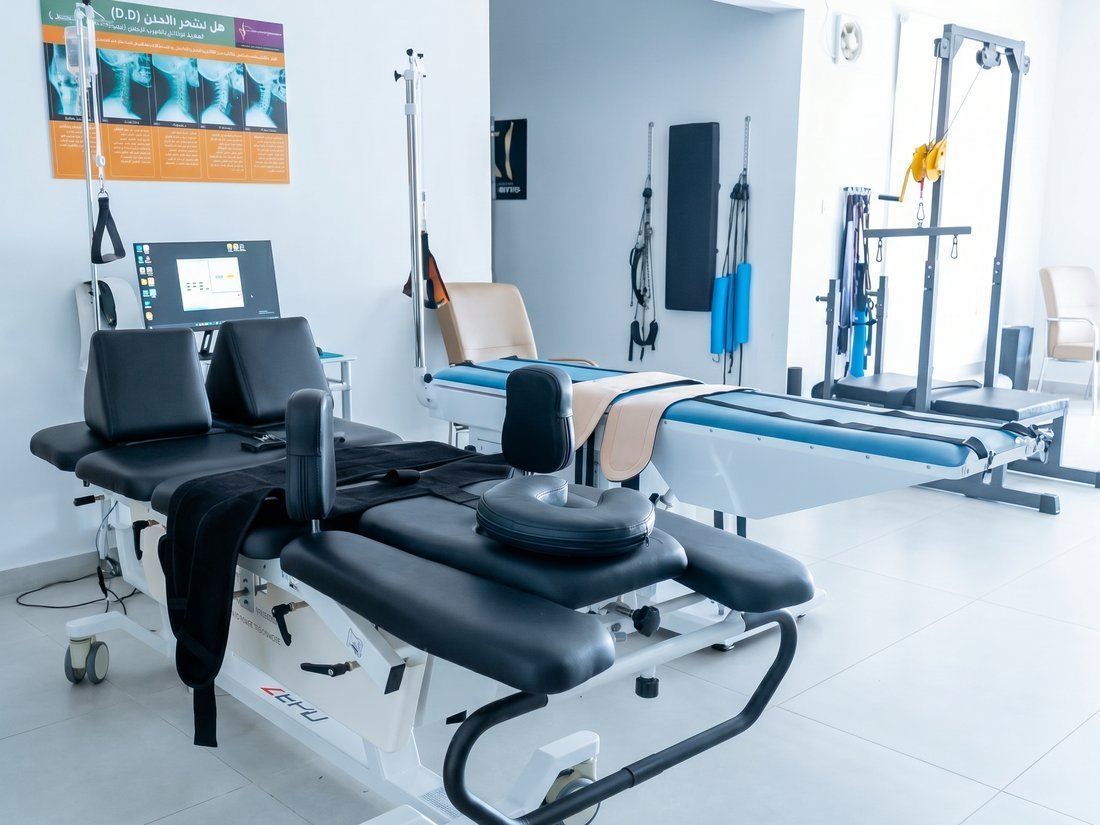
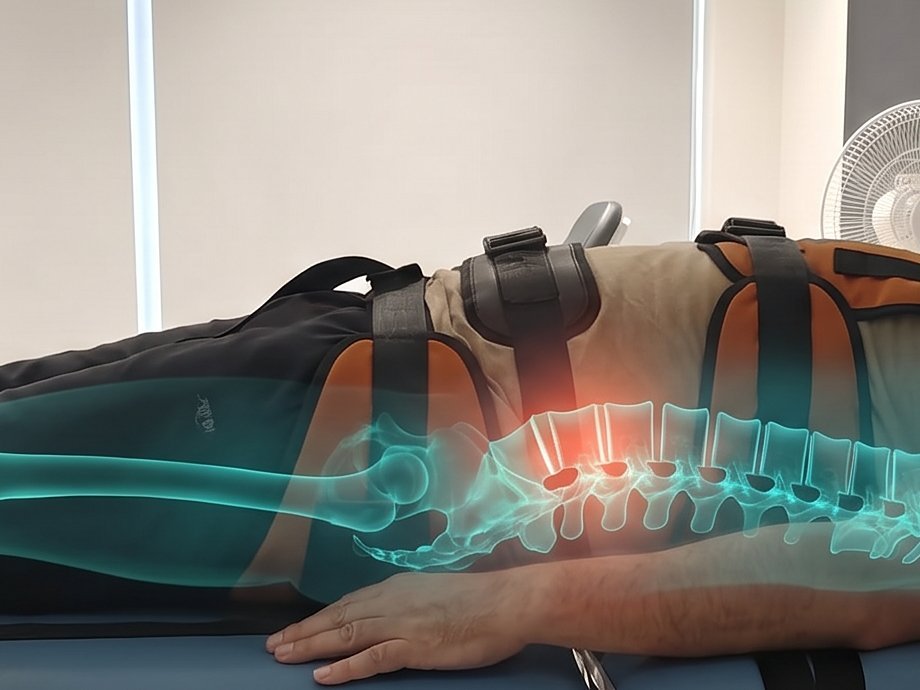
Gentle, computer-controlled traction that eases pressure on spinal discs and nerves — a non-surgical option for disc-related back and leg pain.
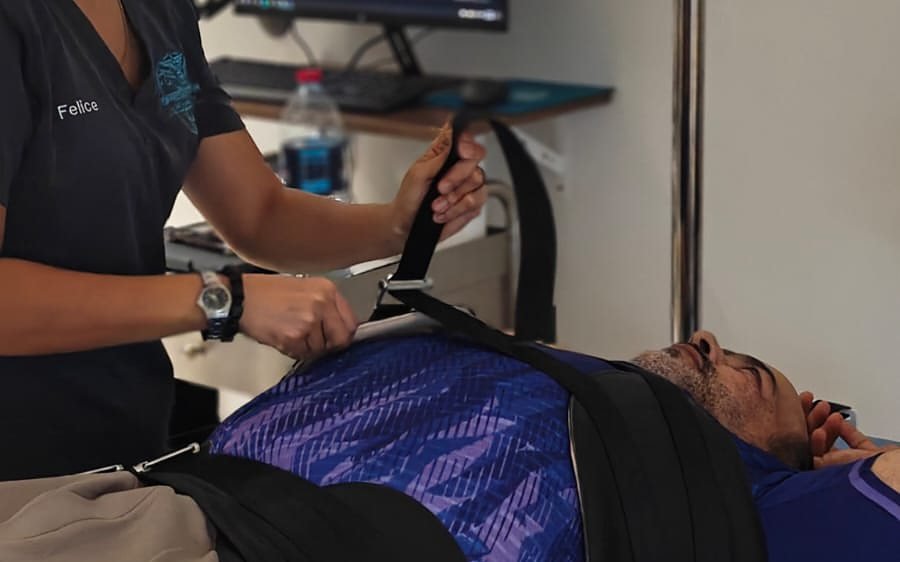
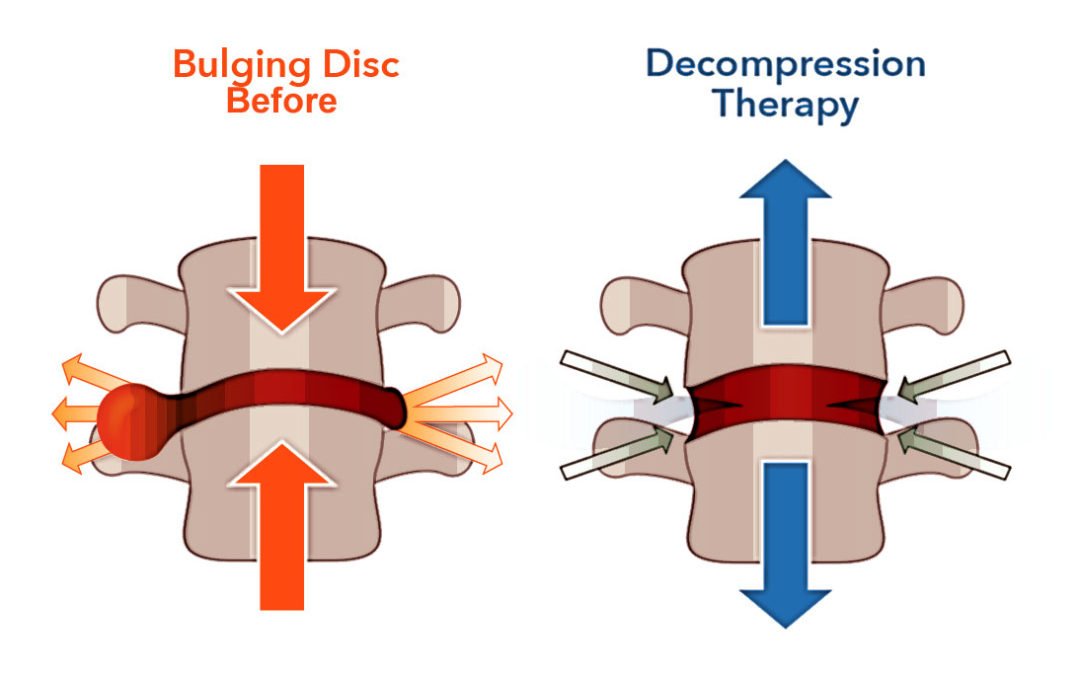
Decompression therapy applies precise, gradual traction to gently separate the vertebrae and reduce pressure within the disc. This can encourage retraction of bulging disc material, improve circulation to the area and relieve irritation of nearby nerves — all without surgery or injections.
Spinal decompression may be appropriate for:
At CBP Precision Spine Center, your care is measured, corrective and guided by your clinician — never guesswork. Here is a closer look at the care behind the treatment.
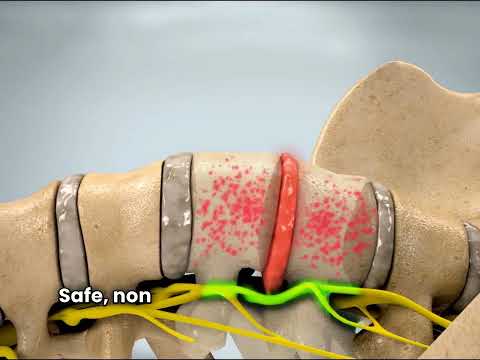
You lie comfortably while the system applies a gentle, cyclical stretch — most people find it relaxing. Decompression is used only after a full assessment confirms it is suitable, and is commonly combined with rehabilitation and corrective care to support lasting results.
Treatments are recommended only after assessment and tailored to the individual. Suitability and expected outcomes are discussed with your clinician.
Non-surgical spinal decompression uses a computerized traction table to gently and cyclically stretch the spine, reducing pressure inside the discs. This negative pressure encourages bulging disc material to retract and draws nutrients into the disc, supporting healing. It is a targeted, controlled therapy — very different from hanging upside down or generic traction.
Yes — disc bulges and herniations with nerve compression symptoms like sciatica are the main reasons this therapy exists. By repeatedly lowering pressure inside the disc, decompression creates conditions that favour retraction of the bulge and relief of nerve irritation. We confirm on imaging that your disc problem is the type likely to respond before recommending a course.
No — most patients find it comfortable, and some fall asleep during sessions. You lie on the table secured by a harness while the computer applies precise, gradual pulling cycles. You may feel a gentle stretch, and mild post-session soreness can occur early in care, similar to starting a new exercise, but the treatment itself should not hurt.
A typical course runs 15–25 sessions over several weeks, because disc changes respond to repeated cycles rather than a single treatment. Your exact plan depends on the severity of your findings and how you respond in the first weeks — we review progress at set milestones and adjust rather than locking you into a fixed package.
Decompression is not appropriate with spinal fractures, tumours, advanced osteoporosis, certain implants or fusion hardware, abdominal aneurysm, or during pregnancy. This is why we screen your history and imaging first. If decompression is not safe or suitable for you, we will say so plainly and direct you to the right alternative.
Book online in under a minute, or talk to a staff member now on WhatsApp — we'll help you find out whether this is right for you.