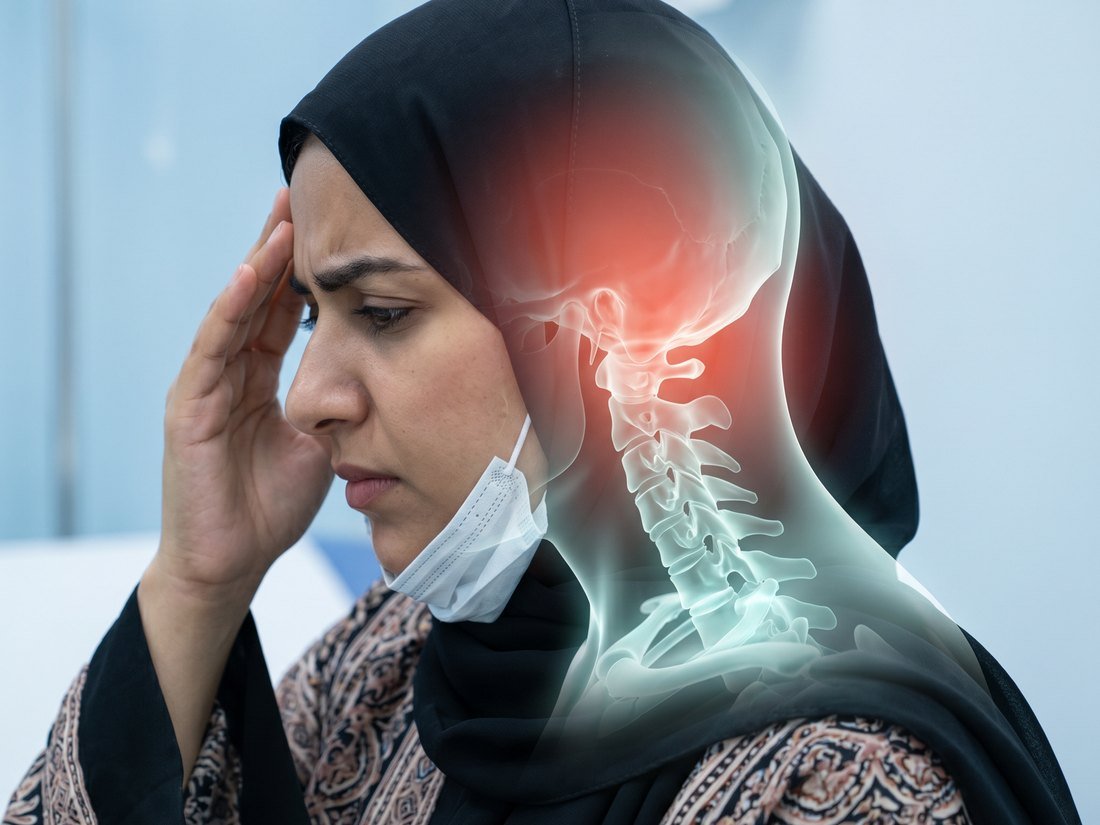
Headaches and migraines are among the most common neurological complaints affecting individuals across Oman and the Gulf region. While most headaches are benign and temporary, recurring or severe headaches can disrupt daily life, work, sleep, and overall well-being.
At CBP Precision Spine Center in Muscat, our clinical approach considers the role of spinal alignment, posture, and neuromuscular function in headache patterns, guiding individualized, non-surgical care to help reduce symptom frequency and intensity.
Understanding Headaches and Migraines
Headaches and migraines are not interchangeable — they differ in presentation, cause, and functional impact:
Tension-Type Headaches
Tension-type headaches are often described as a band-like pressure or tightness around the head and may be associated with stress, muscle tension in the neck and shoulders, or prolonged posture strain.
Migraines
Migraines are neurological in nature and often involve:
- Moderate to severe throbbing pain
- Sensitivity to light or sound
- Nausea or visual disturbances
Migraines may last hours or even days and are often recurring.
Cervicogenic Headaches
Cervicogenic headaches originate from dysfunction of the cervical spine (neck) and surrounding muscles or joints. These headaches are commonly felt on one side and may be accompanied by neck discomfort or stiffness.
When a headache starts in the neck, chasing the pain rarely helps. Correcting the cervical curve and posture can change the whole pattern.
CBP Precision Spine Center · Muscat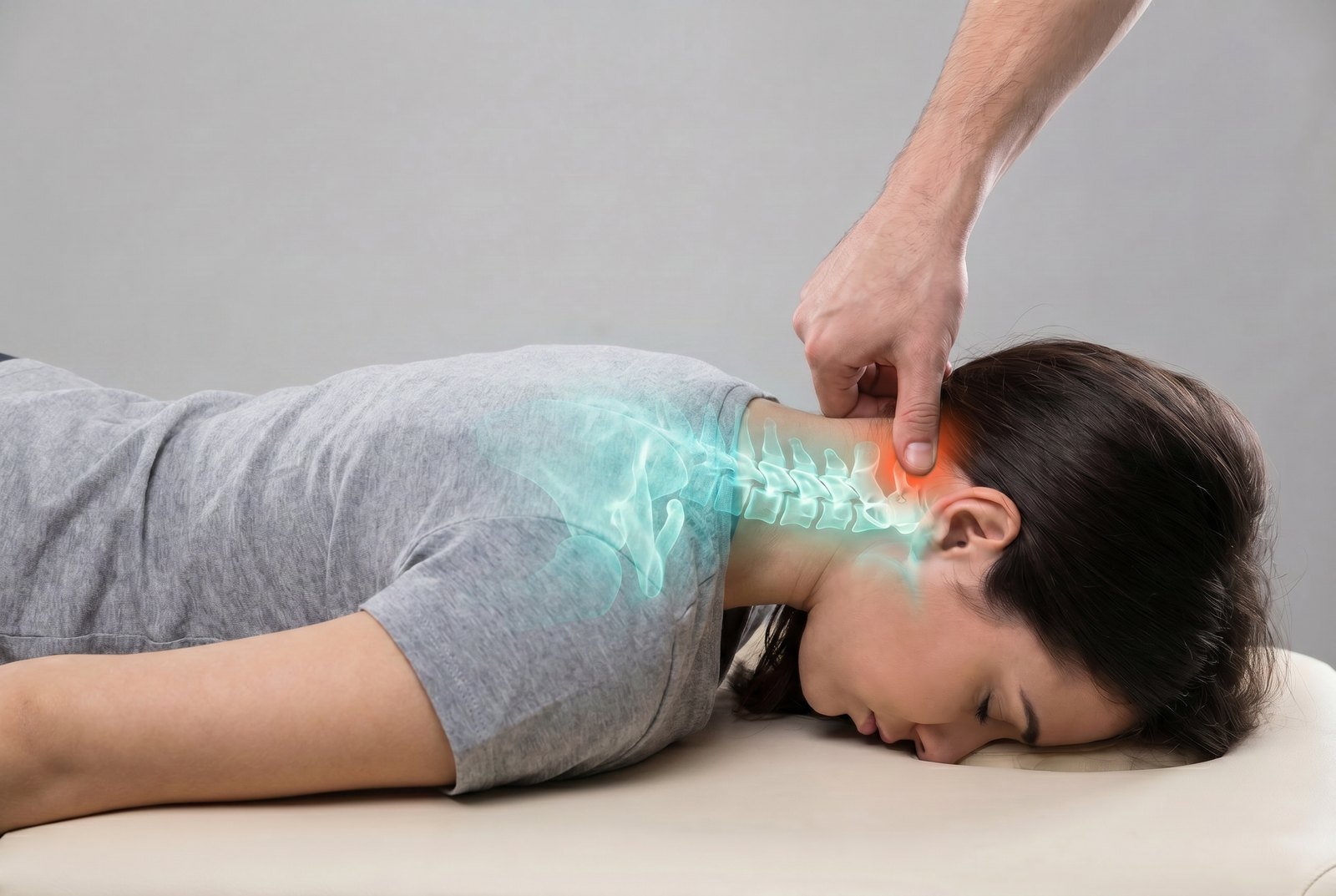
Common Contributing Factors
Headache and migraine symptoms may be influenced by a range of spinal, postural, and lifestyle factors:
Cervical Spine Misalignment
Alterations in cervical spine alignment or curvature may influence nerve function, muscle tension, and headache patterns.
Poor Posture and Forward Head Position
Prolonged forward head posture — from screen use, desk work, or mobile device habits — can increase mechanical strain on the upper neck and shoulders, contributing to tension-related headaches.
Muscle Tension and Trigger Points
Muscle tightness in the neck, upper back, and shoulder regions may contribute to headache symptoms, particularly tension-type and cervicogenic headaches.
Stress and Ergonomic Strain
Occupational demands, poor workstation setup, and prolonged static positions are common contributing factors among adults in Muscat and the GCC.
Migraine Triggers
Migraines may be triggered by a combination of genetic, hormonal, dietary, environmental, and neurological factors, requiring a broader assessment.
Integrative Approach to Headache and Migraine Care
Our evidence-informed care approach focuses on addressing the underlying contributors to headache symptoms rather than simply masking pain:
Chiropractic BioPhysics® (CBP) Postural Rehabilitation
Using CBP principles, we assess and support improvements in spinal alignment, which may reduce sustained tension and stress in the cervical region.
Postural and Movement Retraining
Posture-focused strategies and movement retraining support sustained functional improvement and stress reduction in the head-neck pathway.
Soft Tissue and Neuromuscular Techniques
Targeted soft tissue and neuromuscular techniques may help reduce muscle tension and trigger point sensitivity.
Lifestyle and Ergonomic Guidance
Advice on workstation setup, activity modification, and daily movement patterns supports long-term relief and prevention.
Collaborative Care
When appropriate, care may be integrated with other clinician-led strategies such as physiotherapy or supportive therapies to address complex triggers.
If you are experiencing recurring headaches or migraines — whether related to neck tension, postural stress, spinal alignment, or nerve irritation — a comprehensive evaluation may help identify the contributing factors and whether non-surgical, posture-focused care is appropriate for you.
يُعدّ الصداع والصداع النصفي (الشقيقة) من أكثر الشكاوى العصبية شيوعًا التي تؤثر على الأفراد في سلطنة عُمان ومنطقة الخليج. ورغم أن معظم أنواع الصداع تكون حميدة ومؤقتة، إلا أن الصداع المتكرر أو الشديد قد يؤثر سلبًا على الحياة اليومية والعمل والنوم وجودة الحياة بشكل عام.
في مركز CBP Precision Spine Center في مسقط، يأخذ نهجنا السريري في الاعتبار دور محاذاة العمود الفقري والوضعية والوظيفة العصبية العضلية في أنماط الصداع، وذلك لتوجيه رعاية فردية غير جراحية تهدف إلى المساعدة في تقليل تكرار الأعراض وحدّتها.
فهم الصداع والصداع النصفي
الصداع والصداع النصفي ليسا مصطلحين مترادفين؛ إذ يختلفان من حيث الأعراض، والأسباب، وتأثيرهما الوظيفي:
الصداع التوتري
يُوصف الصداع التوتري غالبًا على أنه إحساس بالضغط أو الشد يشبه وجود رباط حول الرأس، وقد يكون مرتبطًا بالتوتر النفسي، أو شدّ عضلات الرقبة والكتفين، أو الإجهاد الوضعي الناتج عن الحفاظ على أوضاع غير صحيحة لفترات طويلة.
الصداع النصفي (الشقيقة)
الصداع النصفي ذو طبيعة عصبية، وغالبًا ما يتضمن ما يلي:
- ألمًا نابضًا يتراوح من متوسط إلى شديد
- حساسية زائدة للضوء أو الصوت
- الغثيان أو اضطرابات بصرية
وقد تستمر نوبات الصداع النصفي لساعات أو حتى أيام، وغالبًا ما تكون متكررة.
الصداع العنقي المنشأ
ينشأ الصداع العنقي المنشأ من خلل في العمود الفقري العنقي (الرقبة) أو في العضلات أو المفاصل المحيطة به. وغالبًا ما يُشعَر بهذا النوع من الصداع في جهة واحدة من الرأس، وقد يكون مصحوبًا بانزعاج أو تيبّس في الرقبة.
عندما يبدأ الصداع من الرقبة، نادرًا ما تُجدي ملاحقة الألم وحده. فتصحيح المنحنى العنقي والوضعية قد يغيّر النمط بأكمله.
مركز الدقة للعمود الفقري · مسقطالعوامل الشائعة المساهمة
قد تتأثر أعراض الصداع والصداع النصفي بمجموعة من العوامل المرتبطة بالعمود الفقري والوضعية ونمط الحياة، من بينها:
اختلال محاذاة العمود الفقري العنقي
قد تؤثر التغيّرات في محاذاة العمود الفقري العنقي أو انحناءاته على وظيفة الأعصاب، وتوتر العضلات، وأنماط الصداع.
سوء الوضعية وتقدّم الرأس إلى الأمام
يمكن لوضعية الرأس المتقدمة إلى الأمام لفترات طويلة — نتيجة استخدام الشاشات، أو العمل المكتبي، أو عادات استخدام الهواتف المحمولة — أن تزيد من الإجهاد الميكانيكي على أعلى الرقبة والكتفين، مما يسهم في ظهور الصداع المرتبط بالتوتر.
شدّ العضلات ونقاط التحفيز
قد يسهم شدّ العضلات في مناطق الرقبة وأعلى الظهر والكتفين في ظهور أعراض الصداع، لا سيما الصداع التوتري والصداع العنقي المنشأ.
الإجهاد النفسي والإجهاد الإرجونومي
تُعد متطلبات العمل، وسوء إعداد بيئة العمل (الإرجونوميا)، والحفاظ على أوضاع ثابتة لفترات طويلة من العوامل الشائعة المساهمة في هذه المشكلات بين البالغين في مسقط ومنطقة دول مجلس التعاون الخليجي.
محفِّزات الصداع النصفي
قد يُحفَّز الصداع النصفي نتيجة مزيج من العوامل الوراثية، والهرمونية، والغذائية، والبيئية، والعصبية، مما يستدعي تقييمًا أشمل للحالة.
نهج تكاملي لرعاية الصداع والصداع النصفي
يركّز نهجنا العلاجي القائم على الأدلة على معالجة العوامل الكامنة وراء أعراض الصداع بدلًا من الاكتفاء بتخفيف الألم مؤقتًا:
إعادة التأهيل الوضعي باستخدام Chiropractic BioPhysics® (CBP)
باستخدام مبادئ CBP، نقوم بتقييم ودعم تحسينات محاذاة العمود الفقري، مما قد يُسهم في تقليل التوتر والإجهاد المستمرين في منطقة الرقبة.
إعادة تدريب الوضعية والحركة
تدعم الاستراتيجيات المرتكزة على الوضعية وإعادة تدريب أنماط الحركة تحسّنًا وظيفيًا مستدامًا وتقليل الإجهاد في مسار الرأس-العنق.
تقنيات الأنسجة الرخوة والجهاز العصبي العضلي
قد تساعد التقنيات الموجّهة للأنسجة الرخوة والجهاز العصبي العضلي في تقليل شدّ العضلات وحساسية نقاط التحفيز.
إرشادات نمط الحياة والإرجونوميا
يوفّر الإرشاد حول إعداد بيئة العمل، وتعديل الأنشطة، وأنماط الحركة اليومية دعمًا للتخفيف طويل الأمد والوقاية.
الرعاية التعاونية
عند الحاجة، قد يتم دمج الرعاية مع استراتيجيات يقودها مختصون آخرون مثل العلاج الطبيعي أو العلاجات الداعمة للتعامل مع المحفّزات المعقّدة.
إذا كنت تعاني من صداع متكرر أو صداع نصفي — سواء كان مرتبطًا بتوتر الرقبة، أو الإجهاد الوضعي، أو محاذاة العمود الفقري، أو تهيّج الأعصاب — فقد يساعد التقييم الشامل في تحديد العوامل المساهمة في حالتك وما إذا كانت الرعاية غير الجراحية المرتكزة على الوضعية مناسبة لك.