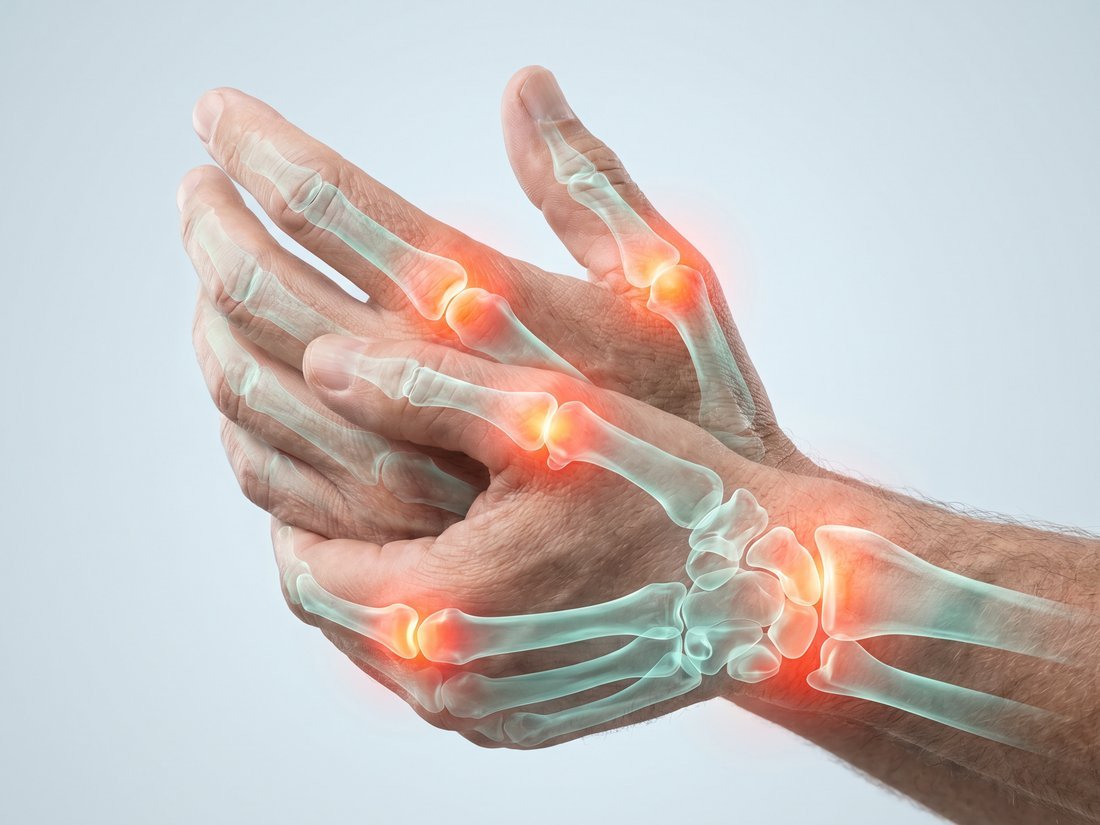
Joint pain is a common condition that can affect the shoulders, elbows, knees, hips, and other joints, limiting movement and interfering with daily activities, work, and sport. Joint discomfort may result from injury, repetitive strain, postural imbalance, degenerative changes, or altered biomechanics affecting how forces are distributed through the body.
At CBP Precision Spine Center in Muscat, Oman, joint pain care is guided by structural assessment and Chiropractic BioPhysics® (CBP) principles. Rather than focusing only on the painful joint, our approach evaluates how posture, spinal alignment, and movement patterns contribute to joint stress and dysfunction.
Common Causes of Joint Pain
Joint pain can develop for many reasons and often reflects more than a local joint issue. Common contributors include:
- Joint overuse or repetitive motion strain
- Poor posture and altered movement mechanics
- Spinal or postural imbalances affecting joint loading
- Ligament, tendon, or soft-tissue irritation
- Degenerative joint changes (such as osteoarthritis)
- Sports injuries or work-related strain
- Post-injury or post-surgical movement compensation
Because joint pain frequently involves both local tissue stress and global biomechanical factors, proper evaluation is essential.
The joint that hurts is often paying for problems elsewhere. Posture, alignment, and how load moves through the body all shape joint stress.
CBP Precision Spine Center · MuscatHow Joint Pain Is Evaluated at CBP Precision Spine Center
Joint pain evaluation at CBP Precision Spine Center in Muscat is designed to identify both the site of symptoms and the underlying contributors influencing joint stress and function.
Assessment may include:
- Detailed clinical history and activity analysis
- Postural and spinal alignment assessment
- Orthopedic and neurological testing
- Joint-specific range-of-motion and strength evaluation
- Functional movement and biomechanical screening
- Imaging when clinically appropriate
This structured evaluation allows care to be tailored to the individual rather than applying a one-size-fits-all approach.
How Joint Pain Is Treated
Joint pain care at CBP Precision Spine Center focuses on restoring proper movement, alignment, and load distribution throughout the body. Using CBP-based chiropractic care, treatment plans may include:
- Precise chiropractic adjustments
- Postural correction and spinal rehabilitation
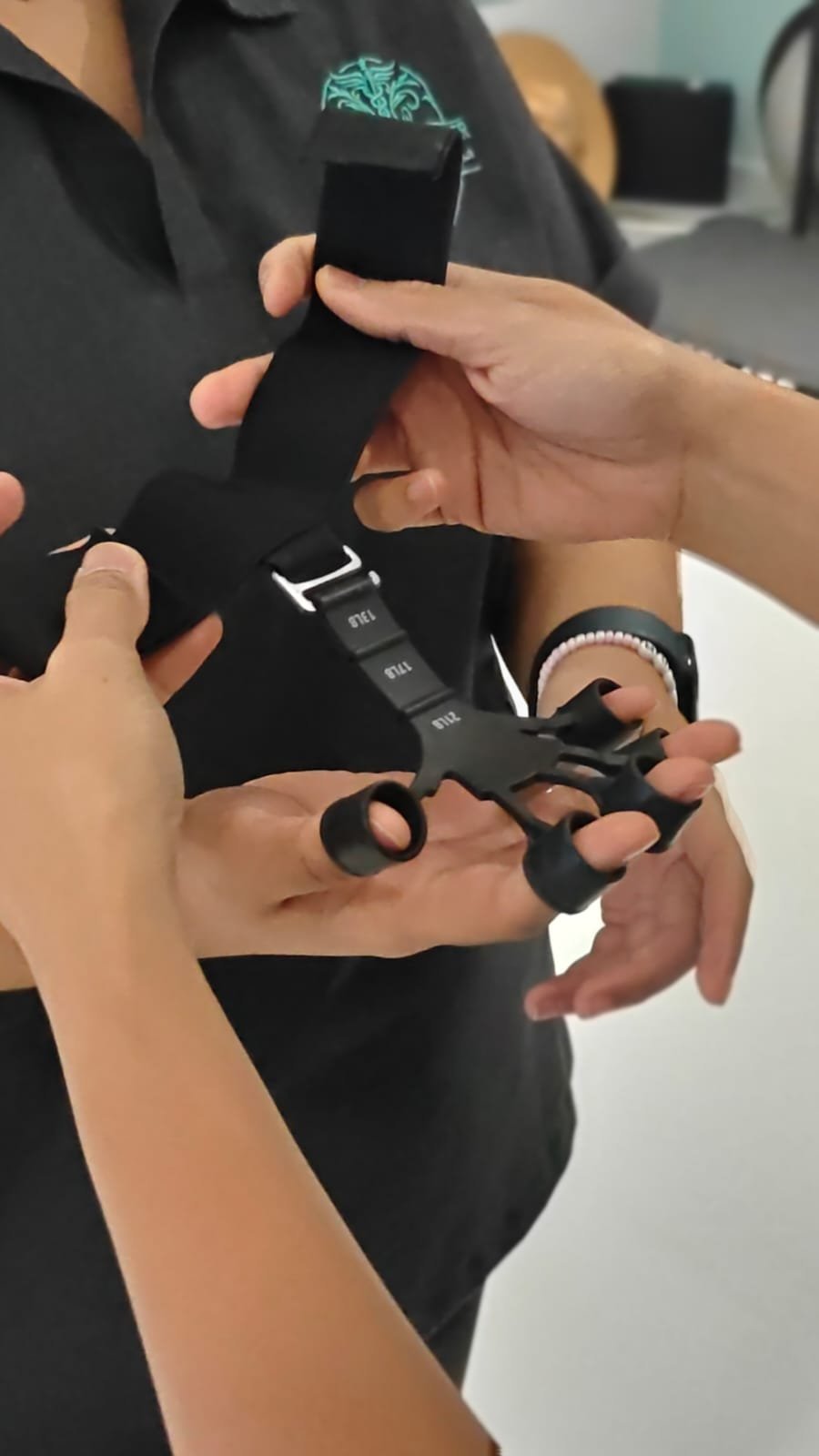
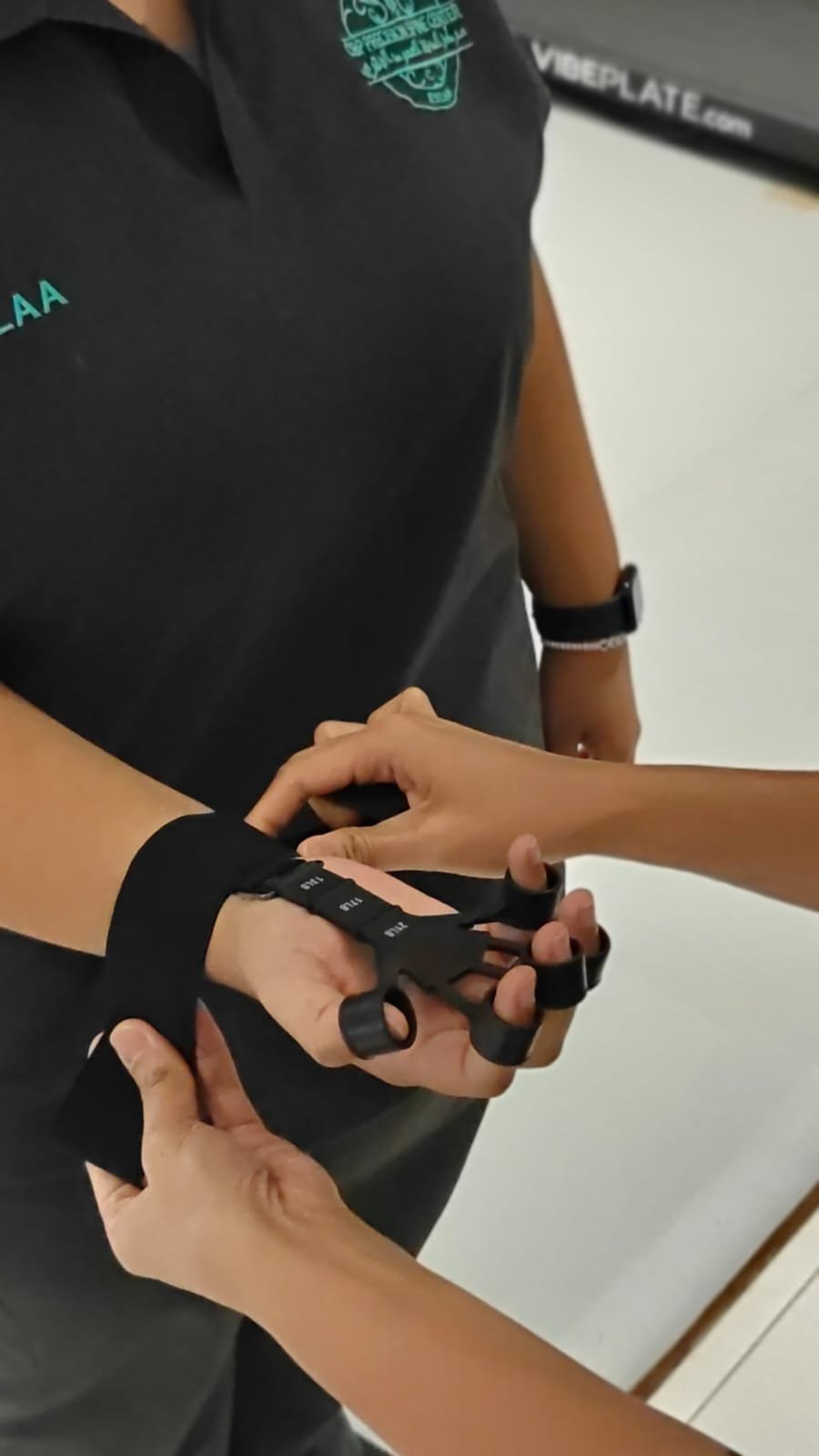
- Movement retraining and therapeutic exercise
- Joint-specific rehabilitation strategies
- Supportive therapies when indicated
This integrative, non-surgical approach aims to reduce ongoing joint stress, support healing, and improve long-term joint function rather than providing short-term symptom relief alone.
يُعدّ ألم المفاصل حالة شائعة يمكن أن تؤثر على الكتفين، والمرفقين، والركبتين، والوركين، وغيرها من المفاصل، مما يحدّ من الحركة ويؤثر على الأنشطة اليومية، والعمل، والرياضة. وقد ينتج ألم المفاصل عن الإصابات، أو الإجهاد المتكرر، أو اختلال التوازن الوضعي، أو التغيرات التنكسية، أو اضطراب الميكانيكا الحيوية الذي يؤثر على كيفية توزيع القوى داخل الجسم.
في مركز CBP Precision Spine Center في مسقط، عُمان، تستند رعاية آلام المفاصل إلى التقييم البنيوي ومبادئ Chiropractic BioPhysics® (CBP). وبدلًا من التركيز فقط على المفصل المؤلم، يقيّم نهجنا كيف تسهم وضعية الجسم، ومحاذاة العمود الفقري، وأنماط الحركة في زيادة الضغط على المفاصل وحدوث الخلل الوظيفي.
الأسباب الشائعة لآلام المفاصل
يمكن أن يتطوّر ألم المفاصل لأسباب عديدة، وغالبًا ما يعكس أكثر من مجرد مشكلة موضعية في المفصل نفسه. وتشمل الأسباب الشائعة ما يلي:
- الإفراط في استخدام المفصل أو الإجهاد الناتج عن الحركات المتكررة
- سوء الوضعية وتغيّر ميكانيكا الحركة
- اختلال التوازن في العمود الفقري أو وضعية الجسم مما يؤثر على توزيع الأحمال على المفاصل
- تهيّج الأربطة، أو الأوتار، أو الأنسجة الرخوة
- التغيرات التنكسية في المفاصل (مثل الفُصال العظمي)
- الإصابات الرياضية أو الإجهاد المرتبط بالعمل
- أنماط التعويض الحركي بعد الإصابة أو بعد الجراحة
ونظرًا لأن ألم المفاصل غالبًا ما يتضمن إجهادًا موضعيًا للأنسجة وعوامل ميكانيكية حيوية عامة في الجسم، فإن إجراء تقييم دقيق يُعدّ أمرًا أساسيًا.
غالبًا ما يدفع المفصل المؤلم ثمن مشكلات في مكان آخر. فالوضعية والمحاذاة وطريقة انتقال الحِمل عبر الجسم جميعها تُشكّل إجهاد المفصل.
مركز الدقة للعمود الفقري · مسقطكيف يتم تقييم آلام المفاصل في مركز CBP Precision Spine Center
يهدف تقييم آلام المفاصل في مركز CBP Precision Spine Center في مسقط إلى تحديد موضع الأعراض والعوامل الأساسية التي تؤثر على إجهاد المفصل ووظيفته.
قد يشمل التقييم ما يلي:
- أخذ تاريخ سريري مفصّل وتحليل مستوى النشاط
- تقييم وضعية الجسم ومحاذاة العمود الفقري
- إجراء فحوصات عظمية وعصبية
- تقييم مدى حركة المفصل وقوته بشكل خاص
- فحص الحركة الوظيفية والميكانيكا الحيوية
- إجراء التصوير الطبي عند الحاجة السريرية
يتيح هذا التقييم المنهجي تصميم خطة رعاية مخصّصة لكل حالة، بدلًا من اتباع نهج موحّد للجميع.
رعاية آلام المفاصل باستخدام تقنيات Chiropractic BioPhysics® (CBP)
تركّز رعاية آلام المفاصل في مركز CBP Precision Spine Center على استعادة الحركة السليمة، والمحاذاة الصحيحة، وتوزيع الأحمال بشكل متوازن في جميع أنحاء الجسم. وباستخدام الرعاية التقويمية المعتمدة على Chiropractic BioPhysics® (CBP)، قد تتضمن خطط العلاج ما يلي:
- تعديلات تقويمية دقيقة
- تصحيح الوضعية وإعادة تأهيل العمود الفقري
- إعادة تدريب الحركة والتمارين العلاجية
- استراتيجيات إعادة تأهيل مخصّصة لكل مفصل
- علاجات داعمة عند الحاجة
يهدف هذا النهج المتكامل وغير الجراحي إلى تقليل الإجهاد المستمر على المفاصل، ودعم عملية الشفاء، وتحسين وظيفة المفاصل على المدى الطويل، بدلًا من الاكتفاء بتخفيف الأعراض بشكل مؤقت فقط.