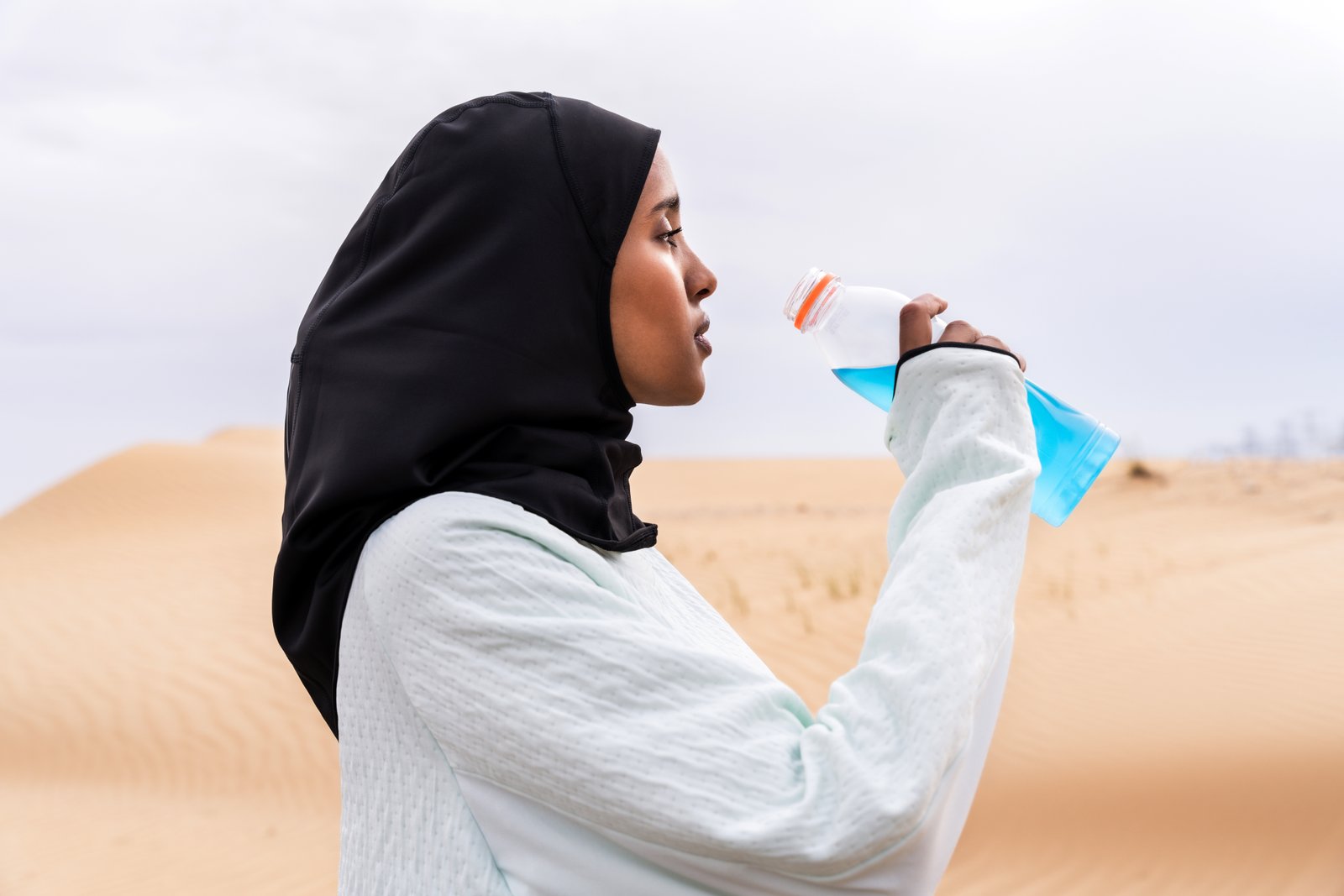
Desert heat in Oman causing back pain? Discover how spinal dehydration affects your discs and why summer brings more spine problems in the GCC.
The Question Every GCC Resident Asks: "Why Does My Back Hurt More in Summer?"
If you live in Muscat, Dubai, Doha, or anywhere across the GCC, you've probably noticed it: that familiar ache in your lower back that seems to worsen when the mercury climbs above 40°C. You're not imagining it, and you're definitely not alone.
Every summer, from May through September, مركز الدقة للعمود الفقري sees a 35% increase in patients reporting disc pain, morning stiffness, and cervicogenic headaches. The pattern is so consistent that we've come to recognize what we call "Desert Spine Syndrome" — a collection of spinal problems that intensify during the brutal summer months across the Middle East.
But here's what most people don't realize: the problem isn't just the heat itself. It's what the heat does to your spine at a cellular level. Your intervertebral discs — those gel-like cushions between your vertebrae — are roughly 80% water. When the GCC summer hits and your body becomes chronically dehydrated, those discs literally shrink, losing their ability to cushion your spine and protect your nerves.
This article explains why summer in the Middle East creates the perfect storm for spinal problems, how dehydration silently damages your discs, and what you can do to protect your spine during the hottest months on Earth.
The Science: What 50°C Heat Actually Does to Your Spine
Most people understand that extreme heat leads to dehydration. What they don't understand is how quickly dehydration affects spinal health — and why the desert climate of the GCC makes this problem uniquely severe.
Your Discs Are Living Sponges
Intervertebral discs aren't just static cushions. They're dynamic structures that constantly absorb and release water based on your body's hydration status and the mechanical loads placed on them. Each disc has two parts:
- Nucleus pulposus: The gel-like center that's roughly 80% water
- Annulus fibrosus: The tough outer ring that contains the nucleus
During normal daily activity, your discs lose water due to compression from gravity and movement. At night, when you lie down and pressure decreases, they should rehydrate by absorbing water from surrounding tissues. But when you're chronically dehydrated — which happens incredibly easily in 45-50°C heat — this rehydration process fails.
Why GCC Climate Creates Severe Dehydration
The combination of factors in the Middle East creates dehydration faster and more severely than almost anywhere else on Earth:
Extreme ambient temperature: When it's 48°C in Muscat or 52°C in Kuwait, your body's cooling system goes into overdrive. You can lose 2-4 liters of fluid per hour through sweating and breathing.
Ultra-low humidity: Desert air typically has 10-20% humidity, compared to 40-60% in temperate climates. This means moisture evaporates from your respiratory system with every breath, creating "invisible" fluid loss.
Air conditioning shock: Moving between 50°C outdoors and 18°C air conditioning creates thermal stress that disrupts your body's fluid regulation. Your thirst mechanism can't keep up with the rapid fluid shifts.
Cultural factors: Ramadan fasting during summer months, long working hours, and preference for tea and coffee over water all contribute to chronic mild dehydration across the region.
The Dehydration-Disc Damage Cascade
When your body becomes dehydrated in extreme heat, a predictable sequence of spinal problems begins:
Stage 1: Disc Volume Loss (Within Hours)
As your body prioritizes hydration for vital organs, your spinal discs begin losing water. A dehydrated disc can lose up to 20% of its height, dramatically reducing its shock-absorbing capacity. This is why many people in the GCC wake up with back stiffness after sleeping in air conditioning all night — their discs have dehydrated overnight.
Stage 2: Increased Nerve Pressure (Within Days)
As discs flatten, the space between vertebrae narrows. This can create pressure on nerve roots, leading to radicular pain (pain that radiates down your arms or legs). It also reduces the diameter of the spinal canal, potentially causing neurogenic claudication — leg pain and weakness that worsens with walking.
Stage 3: Compensatory Muscle Tension (Within Weeks)
Your body responds to unstable, dehydrated discs by tightening the muscles around your spine. This creates a vicious cycle: muscle tension restricts blood flow, which further reduces nutrient delivery to your discs, which worsens dehydration.
Stage 4: Accelerated Disc Degeneration (Over Months/Years)
Chronic dehydration accelerates the normal aging process of your discs. What should take decades can happen in years when your discs are persistently under-hydrated. This is why we see degenerative disc disease and disc herniations at younger ages in the GCC compared to cooler climates.
Why Standard Hydration Advice Fails in Desert Climate
Most hydration guidance is written for temperate climates and fails dramatically in the Middle East. Drinking "8 glasses of water a day" is woefully inadequate when it's 45°C outside.
The GCC Hydration Reality Check
Fluid needs in extreme heat: Adults working or exercising outdoors in the GCC may need 6-8 liters of fluid per day — more than double the standard recommendation.
Electrolyte loss: Sweating in extreme heat doesn't just remove water; it strips your body of sodium, potassium, and magnesium needed for proper muscle and nerve function. This is why many people experience muscle cramps and fatigue even when they think they're drinking enough.
Timing matters: By the time you feel thirsty in extreme heat, you're already dehydrated. Your urine should be pale yellow throughout the day — if it's dark yellow or orange, your discs are already suffering.
Common Hydration Mistakes in the GCC
- Waiting until outdoor activities to drink water: Pre-hydration is critical. Start drinking extra fluids 2-4 hours before heat exposure.
- Relying on caffeinated beverages: Coffee and tea have mild diuretic effects that can worsen dehydration in extreme heat.
- Ice-cold drinks in extreme heat: While refreshing, very cold fluids can cause stomach cramping and may be absorbed more slowly than room-temperature fluids.
- Ignoring indoor dehydration: Air conditioning removes humidity from the air, increasing fluid loss through respiration even when you're inside.
The Hidden Connection: Dehydration and Cervicogenic Headaches
One of the most overlooked connections in desert climate health is the link between spinal dehydration and chronic headaches. At مركز الدقة للعمود الفقري, we see this pattern repeatedly during summer months.
How Cervical Dehydration Triggers Headaches
The discs in your neck (cervical spine) are particularly vulnerable to dehydration because:
- They're smaller than lumbar discs and lose water faster
- The neck bears the full weight of your head (4.5-5.5kg) even when dehydrated
- Neck muscles tighten in response to heat stress, further compromising disc nutrition
When cervical discs dehydrate, they lose height and stability. This forces your suboccipital muscles (the small muscles at the base of your skull) to work overtime to support your head. These overworked muscles develop trigger points that refer pain in a classic headache pattern: starting at the base of the skull and radiating forward to the temples and behind the eyes.
Why Standard Headache Treatments Fail
Most people with chronic summer headaches in the GCC try the usual remedies:
- Over-the-counter pain medications
- Migraine medications prescribed by neurologists
- Stress management and sleep hygiene
These approaches often provide limited relief because they don't address the underlying cervical disc dehydration. The headaches return because the mechanical cause — unstable, dehydrated cervical discs — remains untreated.
Occupational Hazards: Who's Most at Risk?
Certain occupations and lifestyles in the GCC create higher risk for spinal dehydration:
High-Risk Occupations
Construction and outdoor workers: Face direct heat exposure for 8+ hours daily. Often develop chronic lower back pain and morning stiffness.
Oil and gas field workers: Extended shifts in extreme heat, often in remote locations with limited hydration access.
Athletes and fitness professionals: High fluid loss through intense exercise in heat, combined with the pressure to maintain performance.
Healthcare workers: Long shifts, often in hospitals where they can't leave to hydrate adequately, particularly during Ramadan.
High-Risk Lifestyles
Frequent business travelers: Constant transition between extreme outdoor heat and air-conditioned environments disrupts hydration patterns.
Ramadan observers: Fasting during summer months creates unique challenges for spinal hydration, especially when combined with work demands.
Expatriate populations: Often underestimate fluid needs when first moving to the region, leading to chronic mild dehydration.
The CBP Approach: Treating Heat-Related Spinal Problems
At مركز الدقة للعمود الفقري, we've developed specific protocols for treating the spinal problems that intensify during GCC summers:
Comprehensive Assessment
We evaluate not just your spinal alignment, but also:
- Your hydration patterns and workplace heat exposure
- Signs of chronic disc dehydration on digital X-ray imaging
- Muscle tension patterns specific to heat-stress compensation
- Forward head posture that worsens when cervical discs are dehydrated
Targeted Treatment Protocols
Spinal decompression: Calibrated traction helps restore disc height and creates space for rehydration. We often see immediate relief in patients with heat-related disc compression.
Postural correction: الكيروبراكتيك البيوفيزيائي (Chiropractic BioPhysics®) (CBP) techniques address the structural changes that occur when discs consistently lose volume due to dehydration.
Soft tissue restoration: Extracorporeal shockwave therapy helps restore blood flow to chronically tight muscles that develop from compensating for dehydrated discs.
Heat-specific ergonomic guidance: We provide workplace and home modifications specific to extreme heat environments.
Hydration Protocols for Spine Health
Based on our clinical experience with hundreds of GCC patients, we recommend:
Pre-heat hydration: Drink 500ml of fluid 2-4 hours before heat exposure, then 250ml 15-30 minutes before.
During heat exposure: 200-300ml every 15-20 minutes, with electrolyte replacement if sweating heavily.
Post-heat recovery: Continue drinking until urine returns to pale yellow, typically 150% of fluid lost.
Overnight recovery: Keep a water bottle bedside and take small sips if you wake up, as air conditioning can cause nighttime dehydration.
Practical Summer Spine Protection for GCC Residents
At Work
Start hydrating before work: Don't wait until you arrive at the jobsite or office.
Set hydration reminders: Use phone alarms every 30 minutes during peak heat hours (10 AM - 4 PM).
Monitor urine color: Keep a hydration color chart in work areas as a team reminder.
Create cooling strategies: Wet towels around the neck can help reduce core body temperature and decrease fluid loss.
At Home
Optimize air conditioning: Set to 24-26°C rather than extreme cold to reduce thermal shock.
Sleep position matters: Use a supportive pillow to maintain cervical alignment when discs are most vulnerable to dehydration.
Morning hydration: Start each day with 500ml of water before coffee or tea.
Evening rehydration: Continue fluid intake after work to support overnight disc recovery.
During Ramadan
Pre-dawn hydration: Maximize fluid intake during Suhoor, including foods with high water content.
Break fast gradually: Start with small amounts of fluid and increase slowly to avoid stomach upset.
Minimize heat exposure: Schedule outdoor activities for early morning or late evening when possible.
Recognition of limits: Understand when heat exposure becomes dangerous during fasting and seek shade or air conditioning.
When Summer Spine Pain Signals Serious Problems
While mild back stiffness during extreme heat is common, certain symptoms warrant immediate professional attention:
Red Flag Symptoms
- Severe morning stiffness that takes more than an hour to improve
- Radiating leg pain (sciatica) that worsens in heat
- Numbness or tingling in hands or feet, especially after heat exposure
- Headaches that occur daily and don't respond to hydration
- Dizziness or confusion combined with back pain (potential heat exhaustion with spinal complications)
Why Early Intervention Matters
Chronic disc dehydration is much harder to reverse than acute dehydration. Discs that have been repeatedly dehydrated over multiple summers may develop permanent structural changes that require comprehensive corrective care.
Heat-related muscle guarding can become a chronic pattern that persists even when temperatures cool. This creates long-term postural problems that compound over time.
Cervical instability from dehydrated neck discs can lead to chronic headaches that continue year-round, even when the original heat trigger is removed.
Prevention: Building Heat-Resilient Spine Health
Pre-Summer Preparation (March-April)
Baseline spinal assessment: Identify and correct existing postural problems before extreme heat amplifies them.
Hydration habit building: Establish consistent fluid intake patterns before you need them.
Heat acclimatization: Gradually increase heat exposure to improve your body's adaptation response.
During Summer (May-September)
Daily hydration tracking: Use apps or simple logs to monitor fluid intake versus output.
Weekly spine checks: Monitor for early signs of disc dehydration through morning stiffness patterns.
Monthly professional assessment: Regular check-ins during peak heat months can prevent minor problems from becoming major ones.
Post-Summer Recovery (October-November)
Structural rehabilitation: Address any alignment changes that occurred during summer months.
Disc rehydration protocols: Specific exercises and positions that encourage disc volume recovery.
Preparation for next year: Document what worked and what didn't for future summer planning.
The Future of Spine Health in a Warming Climate
As temperatures across the GCC continue to rise — with some models predicting regular 55°C+ days within the next decade — understanding the connection between extreme heat and spinal health becomes critical for long-term quality of life.
Climate adaptation for spine health will become increasingly important as traditional coping mechanisms reach their limits. This means:
- More sophisticated hydration strategies
- Workplace modifications for extreme heat
- Earlier intervention for heat-related spinal problems
- Integration of spine health considerations into urban planning and building design
At مركز الدقة للعمود الفقري, we're researching and developing protocols specifically for the unique challenges of desert climate spine care. Because your spine health shouldn't be compromised by where you choose to live and work.
Take Action Before the Peak Heat Hits
Summer spine problems are largely preventable, but they require proactive planning rather than reactive treatment. If you've experienced back pain, neck stiffness, or chronic headaches during previous GCC summers, don't wait for symptoms to return.
A comprehensive spinal assessment before peak heat season can identify vulnerabilities and establish protection strategies. Our CBP specialists can evaluate your spinal alignment, develop personalized hydration protocols, and create a summer spine health plan tailored to your work and lifestyle demands.
حر الصحراء في عُمان يسبب آلام الظهر؟ اكتشف كيف يؤثر جفاف العمود الفقري على الأقراص ولماذا يجلب الصيف مشاكل أكثر للعمود الفقري في دول الخليج.
السؤال الذي يطرحه كل مقيم في دول الخليج: "لماذا يؤلمني ظهري أكثر في الصيف؟"
إذا كنت تعيش في مسقط أو دبي أو الدوحة أو في أي مكان عبر دول الخليج، فربما لاحظت ذلك: ذلك الألم المألوف في أسفل ظهرك والذي يبدو أنه يزداد سوءًا عندما ترتفع درجة الحرارة فوق 40 درجة مئوية. أنت لا تتخيل ذلك، وأنت بالتأكيد لست وحدك.
كل صيف، من مايو إلى سبتمبر، يشهد مركز CBP Precision Spine زيادة بنسبة 35% في المرضى الذين يشتكون من آلام الأقراص والتيبس الصباحي و الصداع العنقي المنشأ. النمط ثابت جداً لدرجة أننا أصبحنا نتعرف على ما نسميه "متلازمة العمود الفقري الصحراوي" — مجموعة من مشاكل العمود الفقري التي تشتد خلال أشهر الصيف القاسية عبر الشرق الأوسط.
لكن ما لا يدركه معظم الناس: المشكلة ليست الحر فحسب. إنها ما يفعله الحر بعمودك الفقري على المستوى الخلوي. الأقراص الفقرية — تلك الوسائد الشبيهة بالجل بين فقراتك — تحتوي على حوالي 80% من الماء. عندما يضرب صيف الخليج ويصبح جسمك يعاني من الجفاف المزمن، فإن تلك الأقراص تتقلص حرفياً، وتفقد قدرتها على توسيد عمودك الفقري وحماية أعصابك.
تشرح هذه المقالة لماذا يخلق الصيف في الشرق الأوسط العاصفة المثالية لمشاكل العمود الفقري، وكيف يضر الجفاف بصمت بأقراصك، وما يمكنك فعله لحماية عمودك الفقري خلال أشد الشهور حرّاً على وجه الأرض.
العلم: ما تفعله حرارة 50 درجة مئوية فعلاً بعمودك الفقري
معظم الناس يفهمون أن الحر الشديد يؤدي إلى الجفاف. ما لا يفهمونه هو مدى سرعة تأثير الجفاف على صحة العمود الفقري — ولماذا يجعل المناخ الصحراوي لدول الخليج هذه المشكلة شديدة بشكل فريد.
أقراصك إسفنجات حية
الأقراص الفقرية ليست مجرد وسائد ثابتة. إنها هياكل ديناميكية تمتص وتطلق الماء باستمرار بناءً على حالة الترطيب في جسمك والأحمال الميكانيكية المفروضة عليها. كل قرص له جزءان:
- النواة اللبية: المركز الشبيه بالجل الذي يحتوي على حوالي 80% من الماء
- الحلقة الليفية: الحلقة الخارجية القوية التي تحتوي على النواة
خلال النشاط اليومي العادي، تفقد أقراصك الماء بسبب الضغط من الجاذبية والحركة. في الليل، عندما تستلقي ويقل الضغط، يجب أن تعيد ترطيب نفسها بامتصاص الماء من الأنسجة المحيطة. لكن عندما تعاني من الجفاف المزمن — والذي يحدث بسهولة لا تصدق في حرارة 45-50 درجة مئوية — تفشل عملية إعادة الترطيب هذه.
لماذا يخلق مناخ الخليج جفافاً شديداً
مزيج العوامل في الشرق الأوسط يخلق الجفاف بسرعة أكبر وبشدة أكثر من أي مكان آخر تقريباً على وجه الأرض:
درجة الحرارة المحيطة الشديدة: عندما تكون 48 درجة مئوية في مسقط أو 52 درجة مئوية في الكويت، يدخل نظام التبريد في جسمك في حالة نشاط مفرط. يمكنك أن تفقد 2-4 لترات من السوائل في الساعة من خلال التعرق والتنفس.
الرطوبة المنخفضة للغاية: هواء الصحراء عادة ما يحتوي على رطوبة 10-20%، مقارنة بـ 40-60% في المناخ المعتدل. هذا يعني أن الرطوبة تتبخر من جهازك التنفسي مع كل نفس، مما يخلق فقدان سوائل "غير مرئي".
صدمة التكييف: الانتقال بين 50 درجة مئوية في الخارج و 18 درجة مئوية في التكييف يخلق ضغطاً حرارياً يعطل تنظيم السوائل في جسمك. آلية العطش لديك لا تستطيع مواكبة التغيرات السريعة في السوائل.
عوامل ثقافية: صيام رمضان خلال أشهر الصيف، وساعات العمل الطويلة، وتفضيل الشاي والقهوة على الماء، كلّها تُسهم في جفافٍ خفيفٍ مزمنٍ عبر المنطقة.
سلسلة الجفاف وتلف الأقراص
حين يُصاب جسمك بالجفاف في الحرّ الشديد، تبدأ سلسلةٌ متوقّعةٌ من مشاكل العمود الفقري:
المرحلة 1: فقدان حجم القرص (خلال ساعات)
مع إعطاء جسمك الأولوية لترطيب الأعضاء الحيوية، تبدأ أقراصك الفقرية بفقدان الماء. ويمكن للقرص المصاب بالجفاف أن يفقد ما يصل إلى 20% من ارتفاعه، مما يُقلّل قدرته على امتصاص الصدمات بشكلٍ كبير. ولهذا يستيقظ كثيرٌ من الناس في دول الخليج بتيبّسٍ في الظهر بعد النوم في التكييف طوال الليل — فأقراصهم أصابها الجفاف أثناء الليل.
المرحلة 2: ازدياد الضغط على الأعصاب (خلال أيام)
مع تسطّح الأقراص، تضيق المسافة بين الفقرات. وهذا قد يُولّد ضغطاً على جذور الأعصاب، مما يُؤدّي إلى ألمٍ جذري (ألمٍ ينتشر نزولاً إلى ذراعيك أو ساقيك). كما يُقلّل قطر القناة الشوكية، وقد يُسبّب عرَجاً عصبياً — أي ألمٍ وضعفٍ في الساق يزدادان مع المشي.
المرحلة 3: شدٌّ عضليٌّ تعويضي (خلال أسابيع)
يستجيب جسمك للأقراص غير المستقرّة والمصابة بالجفاف عبر شدّ العضلات المحيطة بعمودك الفقري. وهذا يخلق حلقةً مفرغة: فالشدّ العضلي يُقيّد تدفّق الدم، مما يُقلّل أكثر وصول العناصر الغذائية إلى أقراصك، فيزداد الجفاف سوءاً.
المرحلة 4: تسارع تنكّس الأقراص (خلال شهور أو سنوات)
يُسرّع الجفاف المزمن عملية الشيخوخة الطبيعية لأقراصك. فما ينبغي أن يستغرق عقوداً قد يحدث خلال سنواتٍ حين تكون أقراصك ناقصة الترطيب باستمرار. ولهذا نرى مرض تنكّس الأقراص والانزلاق الغضروفي في أعمارٍ أصغر في دول الخليج مقارنةً بالمناخات الأبرد.
لماذا تفشل نصائح الترطيب المعتادة في المناخ الصحراوي
معظم إرشادات الترطيب مكتوبةٌ لمناخاتٍ معتدلة، وتفشل فشلاً ذريعاً في الشرق الأوسط. فشرب "ثمانية أكواب من الماء يومياً" غير كافٍ إطلاقاً حين تكون الحرارة 45 درجة مئوية في الخارج.
مراجعة واقعية للترطيب في دول الخليج
احتياجات السوائل في الحرّ الشديد: قد يحتاج البالغون الذين يعملون أو يمارسون الرياضة في الهواء الطلق بدول الخليج من 6 إلى 8 لترات من السوائل يومياً — أي أكثر من ضعف التوصية المعتادة.
فقدان الكهارل: التعرّق في الحرّ الشديد لا يُخرج الماء فحسب، بل يستنزف من جسمك الصوديوم والبوتاسيوم والمغنيسيوم اللازمة لوظيفة العضلات والأعصاب السليمة. ولهذا يُعاني كثيرون من تشنّجاتٍ عضليةٍ وإرهاقٍ حتى حين يظنّون أنّهم يشربون كفايتهم.
التوقيت مهمّ: حين تشعر بالعطش في الحرّ الشديد، تكون قد أُصبت بالجفاف أصلاً. وينبغي أن يكون بولك أصفرَ باهتاً طوال اليوم — فإن كان أصفرَ داكناً أو برتقالياً، فإنّ أقراصك تُعاني بالفعل.
أخطاء الترطيب الشائعة في دول الخليج
- الانتظار حتى الأنشطة الخارجية لشرب الماء: الترطيب المسبق حاسم. ابدأ بشرب سوائلَ إضافيةٍ قبل 2 إلى 4 ساعاتٍ من التعرّض للحرارة.
- الاعتماد على المشروبات المحتوية على الكافيين: للقهوة والشاي تأثيرٌ مُدرٌّ خفيفٌ للبول قد يُفاقم الجفاف في الحرّ الشديد.
- المشروبات المثلّجة في الحرّ الشديد: رغم أنّها مُنعشة، قد تُسبّب السوائل شديدة البرودة تقلّصاتٍ في المعدة وقد تُمتصّ بشكلٍ أبطأ من السوائل بحرارة الغرفة.
- تجاهل الجفاف داخل المباني: التكييف يسحب الرطوبة من الهواء، مما يزيد فقدان السوائل عبر التنفّس حتى وأنت في الداخل.
الرابط الخفيّ: الجفاف والصداع العنقي المنشأ
من أكثر الروابط إغفالاً في صحة المناخ الصحراوي تلك الصلة بين جفاف العمود الفقري والصداع المزمن. وفي مركز الدقة للعمود الفقري، نرى هذا النمط مراراً خلال أشهر الصيف.
كيف يُحفّز جفاف الفقرات العنقية الصداع
الأقراص في رقبتك (العمود الفقري العنقي) معرّضةٌ للجفاف بشكلٍ خاصّ لأنّها:
- أصغر من الأقراص القطنية وتفقد الماء أسرع
- تتحمّل الرقبة وزن رأسك كاملاً (4.5–5.5 كغم) حتى في حالة الجفاف
- تتشدّد عضلات الرقبة استجابةً للإجهاد الحراري، مما يُضعف تغذية الأقراص أكثر
وحين تُصاب الأقراص العنقية بالجفاف، تفقد ارتفاعها واستقرارها. وهذا يُجبر عضلاتك تحت القذالية (العضلات الصغيرة عند قاعدة الجمجمة) على العمل بجهدٍ مضاعفٍ لدعم رأسك. وتُطوّر هذه العضلات المُجهَدة نقاطاً زنادية تُحيل الألم في نمط صداعٍ كلاسيكي: يبدأ عند قاعدة الجمجمة وينتشر إلى الأمام نحو الصدغين وخلف العينين.
لماذا تفشل علاجات الصداع المعتادة
معظم من يُعانون من الصداع الصيفي المزمن في دول الخليج يجرّبون العلاجات المعتادة:
- مسكّنات الألم المتاحة دون وصفة
- أدوية الشقيقة التي يصفها أطبّاء الأعصاب
- إدارة التوتّر ونظافة النوم
وغالباً ما تُوفّر هذه المقاربات راحةً محدودة، لأنّها لا تُعالج جفاف الأقراص العنقية الكامن وراء المشكلة. فيعود الصداع لأنّ السبب الميكانيكي — أي الأقراص العنقية غير المستقرّة والمصابة بالجفاف — يبقى دون علاج.
المخاطر المهنية: مَن الأكثر عرضة؟
تخلق مهنٌ وأنماط حياةٍ معيّنةٌ في دول الخليج خطراً أعلى لجفاف العمود الفقري:
المهن عالية الخطورة
عمّال البناء والعاملون في الهواء الطلق: يواجهون تعرّضاً مباشراً للحرارة لأكثر من 8 ساعاتٍ يومياً. وكثيراً ما يُصابون بألمٍ مزمنٍ في أسفل الظهر وتيبّسٍ صباحي.
العاملون في حقول النفط والغاز: نوباتٌ ممتدّةٌ في حرٍّ شديد، غالباً في مواقعَ نائيةٍ محدودة الوصول إلى مصادر الترطيب.
الرياضيّون ومحترفو اللياقة: فقدانٌ كبيرٌ للسوائل عبر التمارين المكثّفة في الحرّ، مقروناً بضغط الحفاظ على الأداء.
العاملون في الرعاية الصحية: نوباتٌ طويلة، غالباً في مستشفياتٍ لا يستطيعون مغادرتها للترطيب بشكلٍ كافٍ، خصوصاً خلال رمضان.
أنماط الحياة عالية الخطورة
كثيرو السفر لأغراض العمل: الانتقال المستمرّ بين حرارة الخارج الشديدة والبيئات المكيّفة يُعطّل أنماط الترطيب.
الصائمون في رمضان: يخلق الصيام خلال أشهر الصيف تحدّياتٍ فريدةً لترطيب العمود الفقري، خصوصاً مع متطلّبات العمل.
الجاليات الوافدة: كثيراً ما يستهينون باحتياجات السوائل عند انتقالهم حديثاً إلى المنطقة، مما يُؤدّي إلى جفافٍ خفيفٍ مزمن.
نهج CBP: علاج مشاكل العمود الفقري المرتبطة بالحرارة
في مركز الدقة للعمود الفقري، طوّرنا بروتوكولاتٍ محدّدةً لعلاج مشاكل العمود الفقري التي تشتدّ خلال صيف الخليج:
تقييمٌ شامل
نحن لا نُقيّم محاذاة عمودك الفقري فحسب، بل أيضاً:
- أنماط الترطيب لديك ومدى تعرّضك للحرارة في مكان العمل
- علامات جفاف الأقراص المزمن على التصوير الرقمي بالأشعة السينية
- أنماط الشدّ العضلي الخاصّة بالتعويض عن الإجهاد الحراري
- تقدّم الرأس إلى الأمام الذي يسوء حين تُصاب الأقراص العنقية بالجفاف
بروتوكولات علاجٍ موجَّهة
تخفيف الضغط عن العمود الفقري: يُساعد الشدّ المُعايَر على استعادة ارتفاع القرص ويخلق مساحةً لإعادة الترطيب. وكثيراً ما نرى راحةً فوريةً لدى المرضى الذين يُعانون من انضغاط أقراصٍ مرتبطٍ بالحرارة.
تصحيح القوام: تُعالج تقنيات الكيروبراكتيك البيوفيزيائي (Chiropractic BioPhysics®) (CBP) التغيّرات البنيوية التي تحدث حين تفقد الأقراص حجمها باستمرارٍ بسبب الجفاف.
استعادة الأنسجة الرخوة: يُساعد العلاج بالموجات التصادمية خارج الجسم على استعادة تدفّق الدم إلى العضلات المشدودة مزمناً نتيجة التعويض عن الأقراص المصابة بالجفاف.
إرشادٌ مريحٌ خاصٌّ بالحرارة: نُقدّم تعديلاتٍ لمكان العمل والمنزل مخصّصةً لبيئات الحرارة الشديدة.
بروتوكولات الترطيب لصحة العمود الفقري
بناءً على خبرتنا السريرية مع مئات المرضى في دول الخليج، نوصي بـ:
الترطيب قبل التعرّض للحرارة: اشرب 500 مل من السوائل قبل 2 إلى 4 ساعاتٍ من التعرّض للحرارة، ثم 250 مل قبل 15 إلى 30 دقيقة.
أثناء التعرّض للحرارة: من 200 إلى 300 مل كلّ 15 إلى 20 دقيقة، مع تعويض الكهارل عند التعرّق الغزير.
التعافي بعد التعرّض للحرارة: واصل الشرب حتى يعود لون البول إلى الأصفر الباهت، وعادةً ما يعادل ذلك 150% من السوائل المفقودة.
التعافي أثناء الليل: احتفظ بزجاجة ماءٍ بجانب سريرك وتناول رشفاتٍ صغيرةً إن استيقظت، إذ يُمكن للتكييف أن يُسبّب جفافاً ليلياً.
حماية عملية للعمود الفقري صيفاً لسكان دول الخليج
في العمل
ابدأ الترطيب قبل العمل: لا تنتظر حتى تصل إلى الموقع أو المكتب.
اضبط تذكيراتٍ للترطيب: استخدم منبّهات الهاتف كلّ 30 دقيقةً خلال ساعات الذروة الحرارية (من 10 صباحاً إلى 4 عصراً).
راقب لون البول: احتفظ بمخطّط ألوان الترطيب في مناطق العمل كتذكيرٍ جماعي.
ابتكر استراتيجياتٍ للتبريد: المناشف المبلّلة حول الرقبة تُساعد على خفض حرارة الجسم الأساسية وتقليل فقدان السوائل.
في المنزل
اضبط التكييف بشكلٍ أمثل: اجعله على 24–26 درجة مئوية بدلاً من البرودة الشديدة لتقليل الصدمة الحرارية.
وضعية النوم مهمّة: استخدم وسادةً داعمةً للحفاظ على المحاذاة العنقية حين تكون الأقراص أكثر عرضةً للجفاف.
ترطيب الصباح: ابدأ كلّ يومٍ بـ 500 مل من الماء قبل القهوة أو الشاي.
إعادة الترطيب مساءً: واصل تناول السوائل بعد العمل لدعم تعافي الأقراص أثناء الليل.
خلال رمضان
الترطيب قبل الفجر: أكثِر من تناول السوائل في السحور، بما في ذلك الأطعمة عالية المحتوى المائي.
أفطر تدريجياً: ابدأ بكمياتٍ صغيرةٍ من السوائل وزِدها ببطءٍ لتجنّب اضطراب المعدة.
قلّل التعرّض للحرارة: حدّد مواعيد الأنشطة الخارجية في الصباح الباكر أو المساء المتأخّر كلّما أمكن.
اعرف حدودك: افهم متى يُصبح التعرّض للحرارة خطيراً أثناء الصيام، والجأ إلى الظلّ أو التكييف.
متى يُشير ألم العمود الفقري الصيفي إلى مشاكلَ خطيرة
مع أنّ التيبّس الخفيف في الظهر خلال الحرّ الشديد أمرٌ شائع، فإنّ أعراضاً معيّنةً تستدعي عنايةً متخصّصةً فورية:
الأعراض التحذيرية
- تيبّسٌ صباحيٌّ شديدٌ يستغرق أكثر من ساعةٍ ليتحسّن
- ألمٌ منتشرٌ في الساق (عرق النسا) يسوء مع الحرارة
- خدرٌ أو وخزٌ في اليدين أو القدمين، خصوصاً بعد التعرّض للحرارة
- صداعٌ يوميٌّ لا يستجيب للترطيب
- دوخةٌ أو تشوّشٌ مصحوبٌ بألم الظهر (احتمال إنهاكٍ حراريٍّ مع مضاعفاتٍ فقرية)
لماذا يهمّ التدخّل المبكّر
عكس الجفاف المزمن للأقراص أصعب بكثيرٍ من عكس الجفاف الحادّ. فالأقراص التي أصابها الجفاف مراراً عبر عدّة مواسمَ صيفيةٍ قد تُطوّر تغيّراتٍ بنيويةً دائمةً تتطلّب رعايةً تصحيحيةً شاملة.
والتحفّظ العضلي المرتبط بالحرارة قد يتحوّل إلى نمطٍ مزمنٍ يستمرّ حتى بعد انخفاض درجات الحرارة. وهذا يخلق مشكلاتٍ وضعيةً طويلة الأمد تتراكم بمرور الوقت.
كما أنّ عدم الاستقرار العنقي الناتج عن جفاف أقراص الرقبة قد يُؤدّي إلى صداعٍ مزمنٍ يستمرّ على مدار العام، حتى بعد زوال المُحفّز الحراري الأصلي.
الوقاية: بناء صحة عمودٍ فقريٍّ مقاومةٍ للحرارة
التحضير قبل الصيف (مارس–أبريل)
تقييمٌ أساسيٌّ للعمود الفقري: حدّد وصحّح المشكلات الوضعية القائمة قبل أن تُضخّمها الحرارة الشديدة.
بناء عادة الترطيب: أرسِ أنماطاً ثابتةً لتناول السوائل قبل أن تحتاج إليها.
التأقلم مع الحرارة: زِد تعرّضك للحرارة تدريجياً لتحسين استجابة جسمك التكيّفية.
خلال الصيف (مايو–سبتمبر)
تتبّعٌ يوميٌّ للترطيب: استخدم التطبيقات أو سجلّاتٍ بسيطةً لمراقبة السوائل الداخلة مقابل الخارجة.
فحوصٌ أسبوعيةٌ للعمود الفقري: راقب العلامات المبكّرة لجفاف الأقراص عبر أنماط التيبّس الصباحي.
تقييمٌ شهريٌّ متخصّص: المتابعات المنتظمة خلال أشهر الذروة الحرارية يمكنها منع المشكلات الصغيرة من التحوّل إلى كبيرة.
التعافي بعد الصيف (أكتوبر–نوفمبر)
إعادة تأهيلٍ بنيوية: عالج أيّ تغيّراتٍ في المحاذاة حدثت خلال أشهر الصيف.
بروتوكولات إعادة ترطيب الأقراص: تمارينُ ووضعياتٌ محدّدةٌ تُشجّع على استعادة حجم الأقراص.
التحضير للعام المقبل: وثّق ما نجح وما لم ينجح للتخطيط لصيف العام القادم.
مستقبل صحة العمود الفقري في مناخٍ يزداد احتراراً
مع استمرار ارتفاع درجات الحرارة في دول الخليج — وتتوقّع بعض النماذج أياماً تتجاوز 55 درجة مئوية بشكلٍ منتظمٍ خلال العقد المقبل — يُصبح فهم العلاقة بين الحرارة الشديدة وصحة العمود الفقري أمراً حاسماً لجودة الحياة على المدى الطويل.
وسيزداد التكيّف المناخي لصحة العمود الفقري أهميةً مع بلوغ آليات التأقلم التقليدية حدودها. وهذا يعني:
- استراتيجياتٍ أكثر تطوّراً للترطيب
- تعديلاتٍ في أماكن العمل للحرارة الشديدة
- تدخّلاً أبكرَ لمشاكل العمود الفقري المرتبطة بالحرارة
- دمج اعتبارات صحة العمود الفقري في التخطيط العمراني وتصميم المباني
في مركز الدقة للعمود الفقري، نبحث ونُطوّر بروتوكولاتٍ مخصّصةً للتحدّيات الفريدة لرعاية العمود الفقري في المناخ الصحراوي. لأنّ صحة عمودك الفقري لا ينبغي أن تتأثّر بالمكان الذي تختار العيش والعمل فيه.
تحرّك قبل أن تضرب ذروة الحرارة
مشاكل العمود الفقري الصيفية يمكن الوقاية منها إلى حدٍّ كبير، لكنّها تتطلّب تخطيطاً استباقياً لا علاجاً كردّ فعل. فإن كنت قد عانيت من ألم الظهر، أو تيبّس الرقبة، أو الصداع المزمن خلال مواسم صيفٍ سابقةٍ في الخليج، فلا تنتظر عودة الأعراض.
يمكن لتقييمٍ شاملٍ للعمود الفقري قبل موسم ذروة الحرارة أن يُحدّد نقاط الضعف ويضع استراتيجياتٍ للحماية. ويستطيع أخصّائيو CBP لدينا تقييم محاذاة عمودك الفقري، ووضع بروتوكولات ترطيبٍ مخصّصةٍ لك، وإنشاء خطةٍ صيفيةٍ لصحة العمود الفقري مُصمّمةٍ وفق متطلّبات عملك ونمط حياتك.