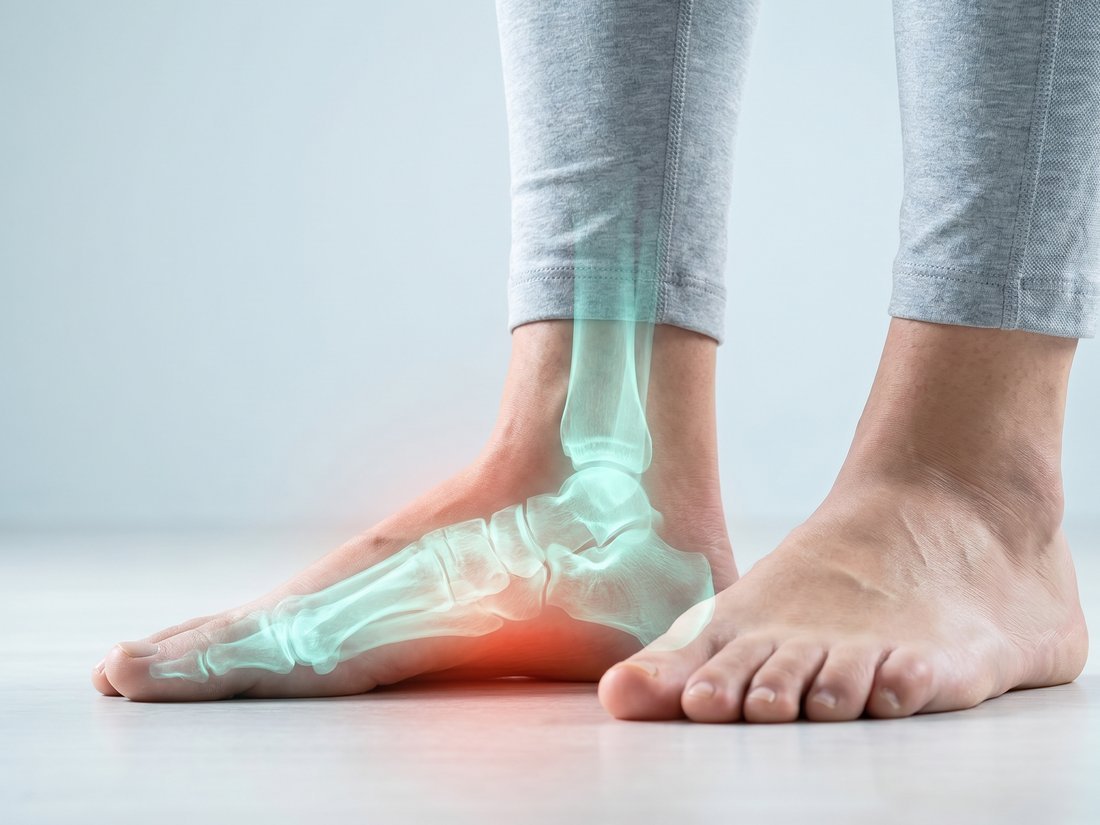
Flat feet, also known as fallen arches, occur when the natural arch of the foot collapses or fails to develop properly, causing the sole of the foot to make full or near-full contact with the ground. While some individuals with flat feet experience no symptoms, others may develop pain, fatigue, and biomechanical stress affecting the feet, knees, hips, and spine.
At CBP Precision Spine Center in Muscat, Oman, flat feet are evaluated as part of the body's overall biomechanical system, recognizing that foot alignment plays a critical role in posture, movement, and load distribution throughout the entire musculoskeletal chain.
What Are Flat Feet (Fallen Arches)?
Flat feet can be present from childhood or develop later in life due to ligament laxity, muscle weakness, injury, repetitive strain, or age-related changes. In some cases, the arch appears normal when sitting but collapses when standing or walking, a pattern known as flexible flat feet.
When the foot arch is reduced or absent, the mechanics of walking and standing change, often leading to excessive inward rolling of the foot (overpronation) and altered joint loading.
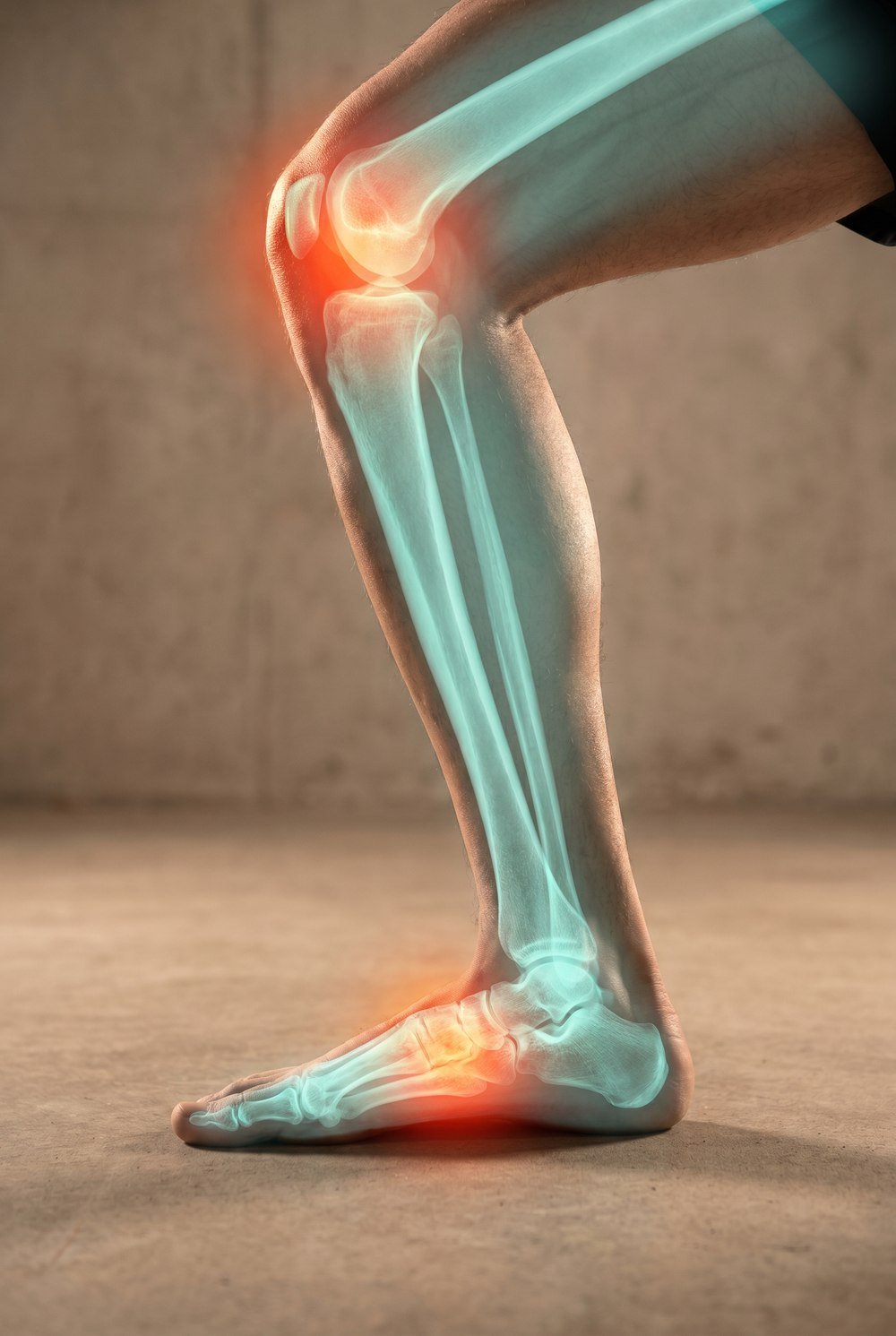
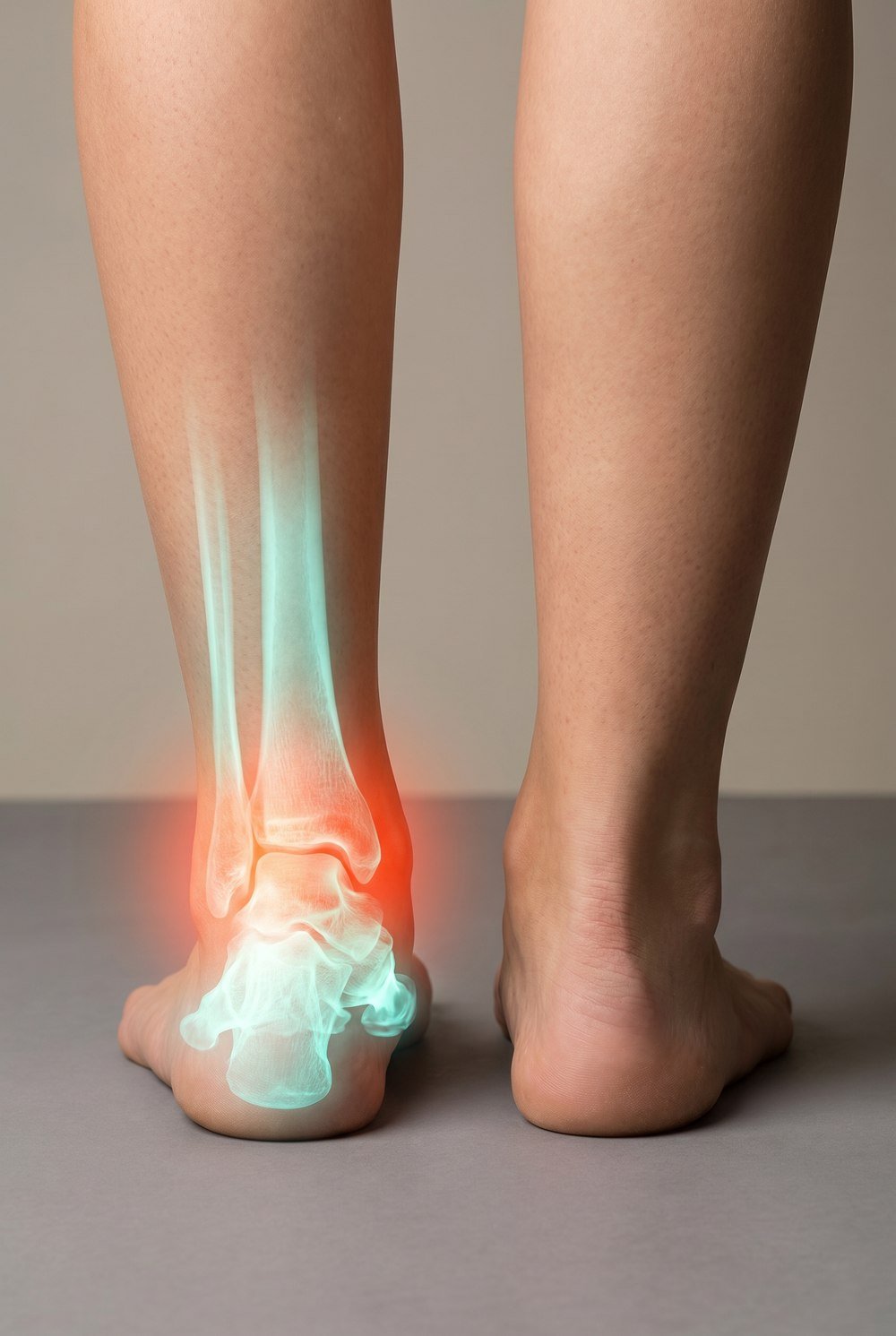
Your feet are the foundation of your posture. When the arches fall, the stress travels up — to the knees, hips, and spine.
CBP Precision Spine Center · MuscatCommon Symptoms Associated with Flat Feet
Flat feet may contribute to a variety of symptoms, including:
- Foot fatigue or aching after prolonged standing or walking
- Heel or arch pain
- Ankle discomfort or instability
- Knee, hip, or lower back pain
- Reduced shock absorption during movement
- Early fatigue with activity or exercise
Symptoms may worsen with prolonged activity, poor footwear, or higher-impact movement.
How Flat Feet Affect the Body
Because the feet serve as the foundation of posture and movement, flat feet can influence the entire kinetic chain. Reduced arch support may lead to:
- Excessive stress on the ankles and knees
- Altered pelvic positioning
- Compensatory spinal strain
- Increased muscular fatigue and imbalance
Addressing foot mechanics can therefore play an important role in managing broader musculoskeletal complaints.
Flat Feet and Running Injuries
Flat feet are particularly relevant for runners and athletic individuals. Overpronation associated with fallen arches may increase stress on tendons, joints, and soft tissues during repetitive impact activities such as running.
Runners with flat feet may be more prone to:
- Plantar fasciitis
- Shin splints
- Achilles tendon strain
- Knee pain or IT band irritation
- Hip or lower back discomfort
Improving foot alignment and shock absorption is often a key component of injury prevention and performance support in runners.
At CBP Precision Spine Center, flat feet management may include the use of SoleSupports® custom foot orthotics, prescribed following clinical evaluation. These medical-grade orthotics are designed to support the natural arch, improve foot mechanics, and normalize weight distribution during standing, walking, and running.
SoleSupports® orthotics are custom fabricated based on a non-weight-bearing cast of the foot, allowing the arch to be captured in its optimal position. When clinically appropriate, they may also assist in addressing functional leg length discrepancies and reducing compensatory stress throughout the lower extremities and spine.
Flat Feet as Part of a Whole-Body Approach
Flat feet are not treated in isolation. At CBP Precision Spine Center, foot mechanics are evaluated alongside posture, spinal alignment, and movement patterns. This integrated approach may include:
- Postural and spinal assessment
- Chiropractic BioPhysics® (CBP)-based care
- Gait and movement evaluation
- Physiotherapy and rehabilitation strategies
- Custom orthotic support when indicated
This comprehensive perspective helps address both symptoms and contributing biomechanical factors.
تُعرف القدم المسطّحة أيضًا باسم هبوط القوس، وتحدث عندما ينهار القوس الطبيعي للقدم أو لا يتكوّن بشكل سليم، مما يؤدي إلى ملامسة باطن القدم للأرض بشكل كامل أو شبه كامل. وبينما لا يعاني بعض الأشخاص المصابين بالقدم المسطّحة من أي أعراض، قد يُصاب آخرون بالألم، والإجهاد، وإجهادات ميكانيكية حيوية تؤثّر على القدمين والركبتين والوركين والعمود الفقري.
في مركز CBP Precision Spine Center في مسقط، عُمان، يتم تقييم القدم المسطّحة كجزء من النظام الميكانيكي الحيوي الشامل للجسم، مع إدراك أن محاذاة القدم تلعب دورًا أساسيًا في الوضعية، والحركة، وتوزيع الأحمال عبر السلسلة العضلية الهيكلية بأكملها.
ما هي القدم المسطّحة (هبوط القوس)؟
قد تكون القدم المسطّحة موجودة منذ الطفولة أو قد تتطوّر لاحقًا في مراحل متقدمة من الحياة نتيجة ارتخاء الأربطة، أو ضعف العضلات، أو الإصابات، أو الإجهاد المتكرر، أو التغيّرات المرتبطة بالتقدّم في العمر. وفي بعض الحالات، يبدو قوس القدم طبيعيًا عند الجلوس، لكنه ينهار عند الوقوف أو المشي، وهو نمط يُعرف باسم القدم المسطّحة المرِنة.
وعندما يكون قوس القدم منخفضًا أو غائبًا، تتغيّر ميكانيكا الوقوف والمشي، وغالبًا ما يؤدي ذلك إلى التفاف القدم إلى الداخل بشكل مفرط (فرط الكبّ/الانحراف الداخلي – Overpronation) وإلى تغيّر في توزيع الأحمال على المفاصل.
قدماك هما أساس وضعيتك. وعندما يهبط القوس، يصعد الإجهاد إلى الأعلى — نحو الركبتين والوركين والعمود الفقري.
مركز الدقة للعمود الفقري · مسقطالأعراض الشائعة المرتبطة بالقدم المسطّحة
قد تسهم القدم المسطّحة في ظهور مجموعة من الأعراض، بما في ذلك:
- تعب القدمين أو الشعور بالألم بعد الوقوف أو المشي لفترات طويلة
- ألم في الكعب أو في قوس القدم
- انزعاج أو عدم استقرار في مفصل الكاحل
- ألم في الركبتين أو الوركين أو أسفل الظهر
- انخفاض قدرة القدم على امتصاص الصدمات أثناء الحركة
- الشعور بالإجهاد المبكر أثناء النشاط أو التمارين
وقد تزداد شدة الأعراض مع النشاط المطوّل، أو ارتداء الأحذية غير المناسبة، أو ممارسة الحركات ذات التأثير العالي.
كيف تؤثّر القدم المسطّحة على الجسم
لأنّ القدمين تُعدّان أساس الوضعية والحركة، فإنّ القدم المسطّحة قد تؤثّر على السلسلة الحركية بأكملها. فضعف دعم القوس قد يؤدي إلى:
- إجهاد مفرط على مفاصل الكاحل والركبة
- تغيّر في وضعية الحوض
- إجهاد تعويضي على العمود الفقري
- زيادة التعب العضلي وحدوث اختلالات عضلية
ولذلك، فإن معالجة ميكانيكا القدم تلعب دورًا مهمًا في التعامل مع الشكاوى العضلية الهيكلية الأوسع نطاقًا.
القدم المسطّحة وإصابات الجري
تُعدّ القدم المسطّحة ذات أهمية خاصة لدى العدّائين والأشخاص النشطين رياضيًا. ففرط الانحراف الداخلي للقدم (Overpronation) المصاحب لهبوط القوس قد يزيد من الضغط على الأوتار والمفاصل والأنسجة الرخوة أثناء الأنشطة المتكرّرة ذات التأثير العالي مثل الجري.
وقد يكون العدّاؤون المصابون بالقدم المسطّحة أكثر عرضة للإصابة بـ:
- التهاب اللفافة الأخمصية
- آلام قصبة الساق (Shin splints)
- إجهاد وتر أخيل
- ألم في الركبة أو تهيّج الشريط الحرقفي الظنبوبي (IT band)
- انزعاج في الورك أو أسفل الظهر
ويُعدّ تحسين محاذاة القدم وتعزيز امتصاص الصدمات جزءًا أساسيًا من الوقاية من الإصابات ودعم الأداء لدى العدّائين.
في مركز CBP Precision Spine Center، قد تشمل إدارة حالة القدم المسطّحة استخدام تقويمات القدم المخصّصة SoleSupports®، والتي يتم وصفها بعد إجراء تقييم سريري دقيق. صُمّمت هذه التقويمات الطبية المتقدمة لدعم القوس الطبيعي للقدم، وتحسين ميكانيكا الحركة، وتطبيع توزيع الوزن أثناء الوقوف والمشي والجري.
يتم تصنيع تقويمات SoleSupports® خصيصًا لكل حالة بناءً على قالب للقدم في وضعية عدم التحميل (Non-Weight-Bearing)، مما يسمح بتثبيت القوس في وضعيته المثلى. وعند الحاجة السريرية، قد تساعد هذه التقويمات أيضًا في معالجة فروق طول الطرف السفلي الوظيفية وتقليل الإجهادات التعويضية الواقعة على الأطراف السفلية والعمود الفقري.
القدم المسطّحة كجزء من نهج شمولي للجسم بالكامل
لا يتم التعامل مع القدم المسطّحة بمعزل عن بقية الجسم. ففي مركز CBP Precision Spine Center، يتم تقييم ميكانيكا القدم جنبًا إلى جنب مع الوضعية الجسدية، ومحاذاة العمود الفقري، وأنماط الحركة. وقد يشمل هذا النهج المتكامل ما يلي:
- تقييم الوضعية ومحاذاة العمود الفقري
- رعاية علاجية قائمة على تقنية Chiropractic BioPhysics® (CBP)
- تقييم المشي وأنماط الحركة الوظيفية
- استراتيجيات العلاج الطبيعي وإعادة التأهيل
- دعم تقويمات القدم المخصّصة عند الحاجة السريرية
يساعد هذا المنظور الشامل على معالجة الأعراض والعوامل الميكانيكية الحيوية المساهمة في المشكلة.