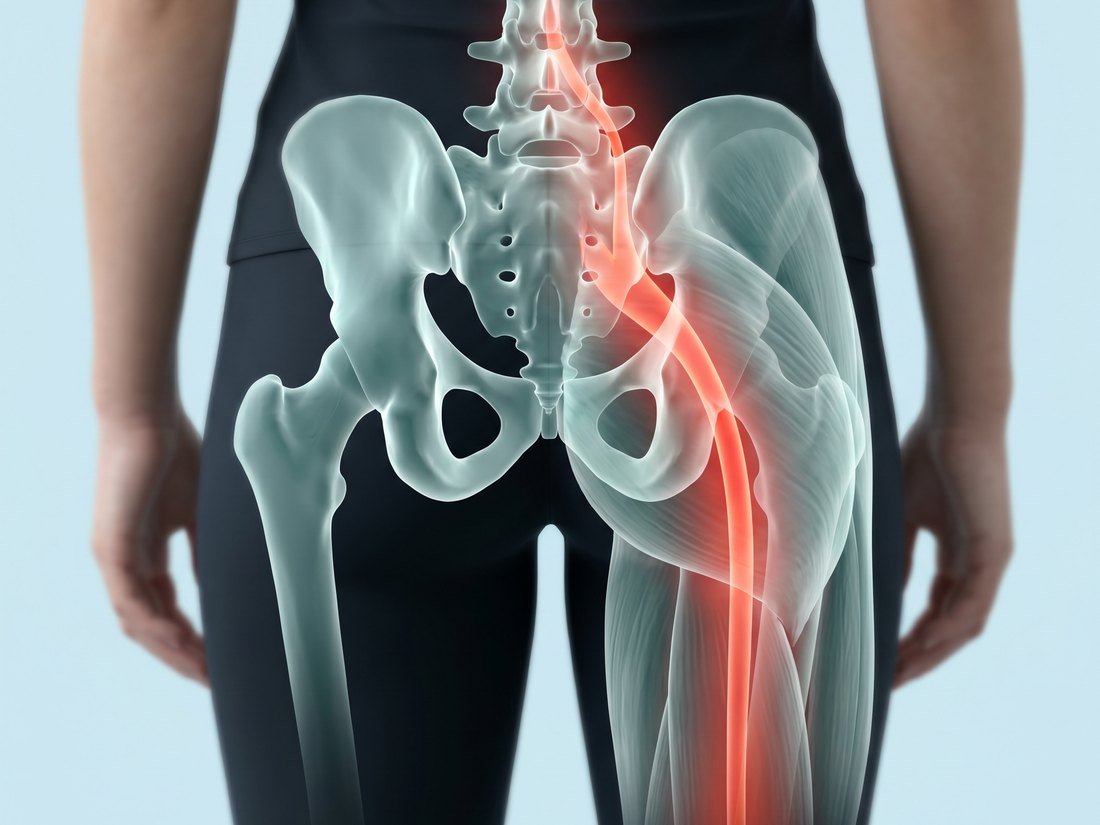
Sciatica is a term commonly used to describe pain that radiates from the lower back into the hip, buttock, and down one leg. While often referred to as a single condition, sciatic pain can originate from multiple underlying causes, each requiring a different clinical approach. At CBP Precision Spine Center in Muscat, Oman, sciatica care focuses on identifying the root cause of nerve irritation and addressing both spinal and biomechanical contributors using evidence-based, non-surgical strategies.
What Is Sciatica?
Sciatica refers to symptoms associated with irritation or compression of the sciatic nerve — the largest nerve in the body, originating from the lower lumbar spine and traveling down each leg. Symptoms may include sharp or burning pain, aching, tingling, numbness, or weakness that follows a nerve-related pattern rather than remaining localized to one area.
Importantly, sciatica is not a diagnosis on its own, but a clinical description of nerve-related pain that can result from a variety of spinal or musculoskeletal conditions.
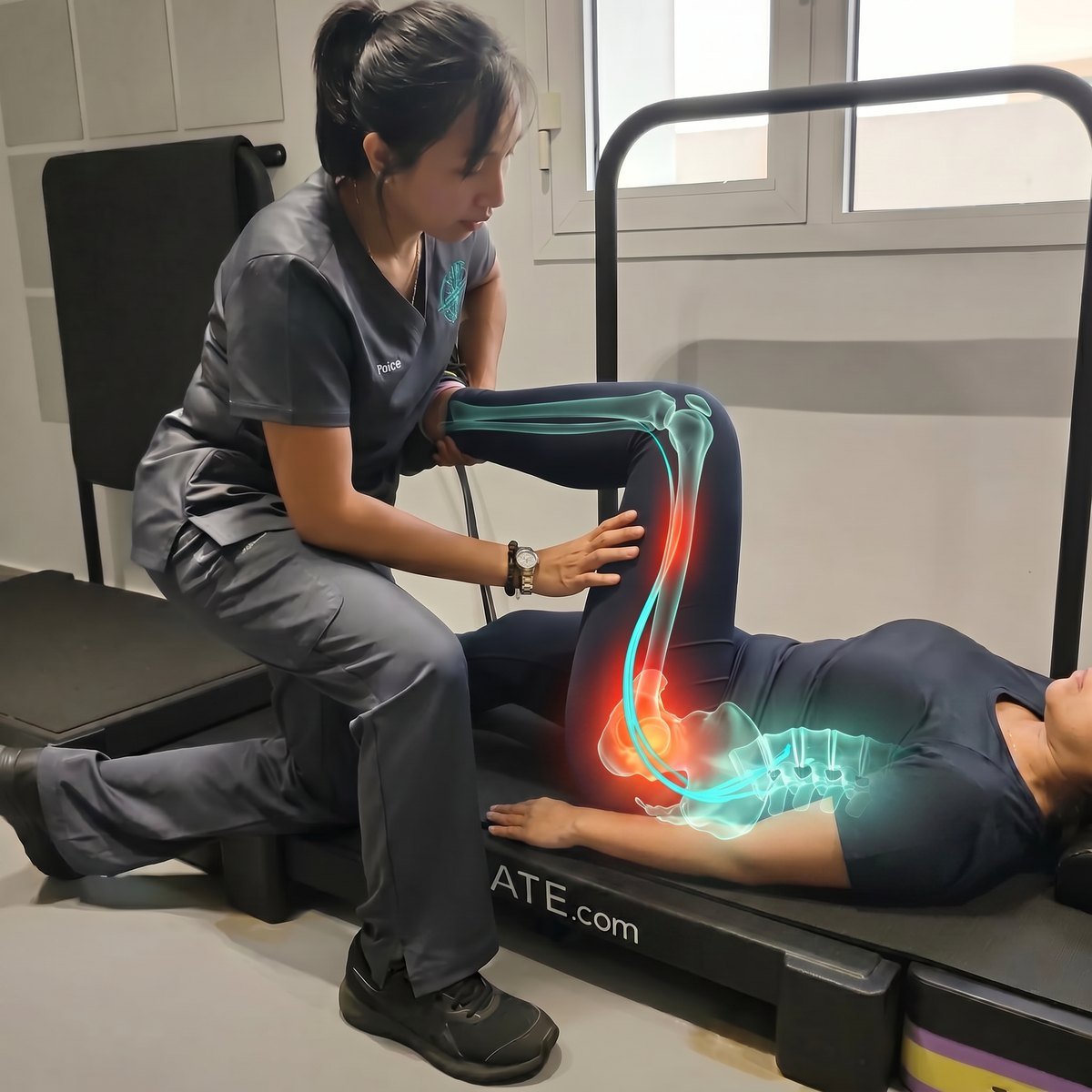
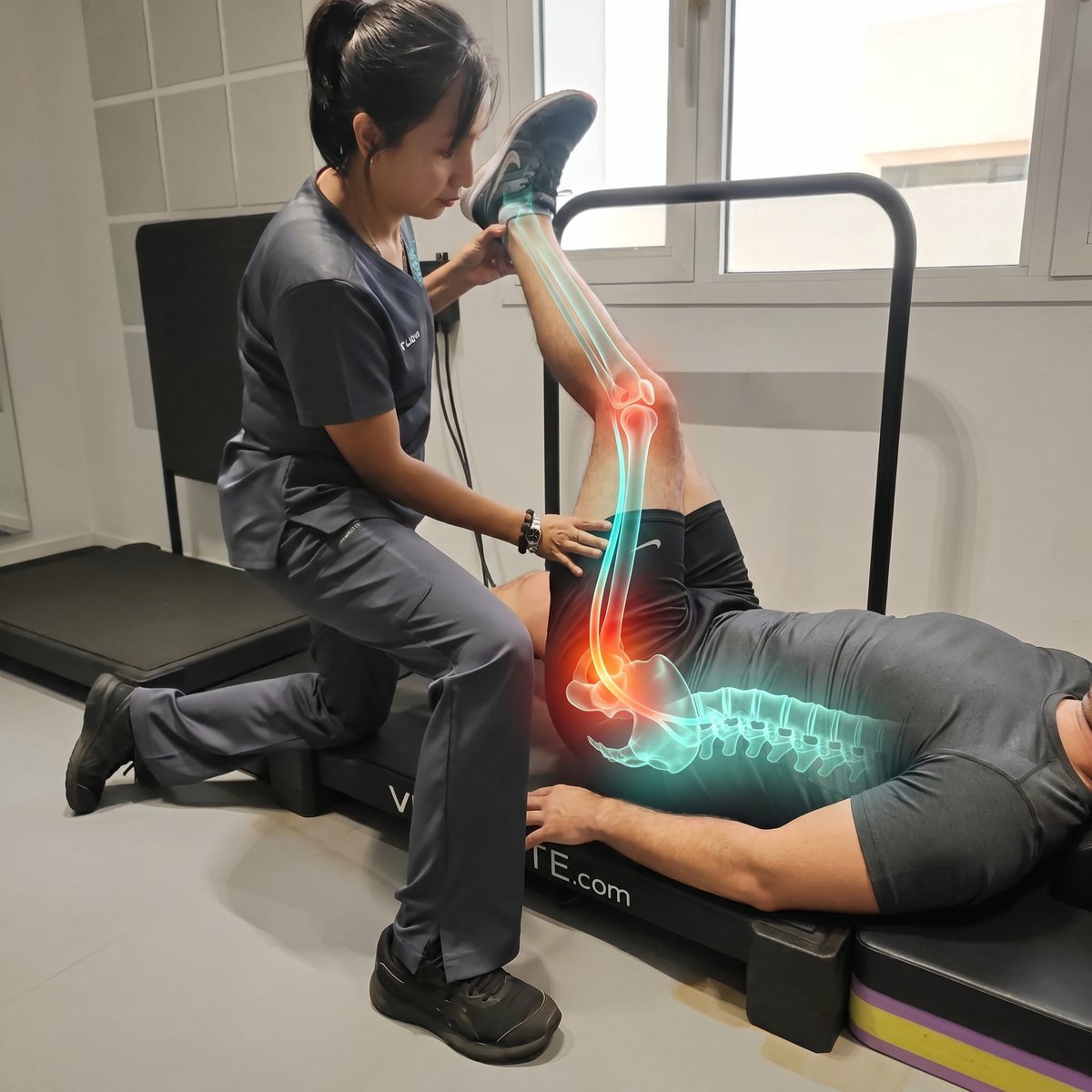
Sciatica isn't a diagnosis — it's a description of nerve pain. The real question is what's irritating the nerve, and that can be found and addressed.
CBP Precision Spine Center · MuscatCommon Causes of Sciatic & Nerve Pain
Sciatic symptoms can arise from several different mechanisms, including both spinal and soft-tissue contributors. Identifying the correct source is essential for effective care.
Disc-Related Conditions
Lumbar disc bulges, herniations, or degenerative disc changes may place pressure on nerve roots that form the sciatic nerve, leading to radiating leg pain.
Spinal Alignment and Postural Stress
Abnormal spinal curves, poor posture, or pelvic imbalance can increase mechanical stress on the lower spine and nerve pathways, contributing to chronic sciatic symptoms.
Muscle Tightness and Referred Pain
Tight or overactive muscles — such as the piriformis or deep hip muscles — may compress or irritate the sciatic nerve, causing symptoms that closely mimic disc-related sciatica without direct spinal nerve compression.
Joint and Movement Dysfunction
Restricted motion or instability in the lumbar spine, sacroiliac joints, or hips can alter load distribution and irritate nearby nerve structures over time.
Sciatica & Nerve Pain Symptoms
Sciatic pain may vary depending on the underlying cause and severity. Symptoms can include:
- Pain radiating from the lower back into the buttock or leg
- Sharp, shooting, burning, or electric-like sensations
- Tingling or numbness in the leg or foot
- Weakness in the leg or difficulty with prolonged sitting, standing, or walking
- Symptoms that worsen with bending, lifting, or prolonged posture
Symptoms may affect one or both sides and can range from mild and intermittent to persistent and limiting.
How Sciatica Is Evaluated at CBP Precision Spine Center
Sciatica evaluation at CBP Precision Spine Center in Muscat is designed to identify both the location of nerve irritation and the underlying structural or functional cause.
Assessment may include:
- Detailed clinical history and symptom mapping
- Postural and spinal alignment analysis
- Full orthopedic and neurological testing
- Range-of-motion and movement assessment
- Functional and biomechanical screening
- Diagnostic imaging when clinically appropriate
This comprehensive approach ensures care is directed at the true source of sciatic symptoms, not just pain relief.
When to Seek Sciatica Evaluation
A professional assessment is recommended if:
- Leg pain persists or worsens over time
- Numbness, tingling, or weakness is present
- Symptoms interfere with walking, sitting, or sleep
- Previous care has provided only temporary relief
- Sciatic pain developed following injury or postural changes
Early evaluation can help guide appropriate non-surgical management and reduce the risk of chronic symptoms.
If you are experiencing radiating leg pain, lower back discomfort, or symptoms commonly described as sciatica, our team will assess the underlying cause and discuss individualized, non-surgical care options designed to support recovery, function, and long-term spinal health.
يُستخدم مصطلح عرق النسا بشكل شائع لوصف الألم الذي ينتشر من أسفل الظهر إلى الورك والأرداف ويمتد نزولًا على طول إحدى الساقين. وعلى الرغم من الإشارة إليه غالبًا كحالة واحدة، فإن ألم عرق النسا قد ينشأ من عدة أسباب كامنة مختلفة، يتطلب كل منها نهجًا علاجيًا سريريًا مميزًا.
في CBP Precision Spine Center في مسقط، سلطنة عُمان، يركّز علاج عرق النسا على تحديد السبب الجذري لتهيج العصب، ومعالجة العوامل المرتبطة بالعمود الفقري والميكانيكا الحيوية، وذلك من خلال استراتيجيات علاجية قائمة على الأدلة العلمية وغير جراحية.
ما هو عرق النسا؟
يشير عرق النسا إلى مجموعة من الأعراض الناتجة عن تهيّج أو انضغاط العصب الوركي، وهو أطول وأكبر عصب في الجسم، حيث ينشأ من أسفل العمود الفقري القَطَني ويمتد نزولًا عبر كل ساق. وقد تشمل الأعراض ألمًا حادًا أو حارقًا، أو ألمًا مستمرًا، أو وخزًا، أو تنميلًا، أو ضعفًا عضليًا، وغالبًا ما يتبع هذا الألم مسار العصب بدلًا من أن يكون محصورًا في منطقة واحدة فقط.
ومن المهم التنويه إلى أن عرق النسا ليس تشخيصًا بحد ذاته، بل هو وصف سريري لألم ذي علاقة عصبية يمكن أن ينتج عن مجموعة متنوعة من الحالات المرتبطة بالعمود الفقري أو الجهاز العضلي الهيكلي.
عرق النسا ليس تشخيصًا — بل وصفٌ لألمٍ عصبي. والسؤال الحقيقي هو: ما الذي يُهيّج العصب؟ وهذا يمكن اكتشافه ومعالجته.
مركز الدقة للعمود الفقري · مسقطالأسباب الشائعة لعرق النسا وآلام الأعصاب
يمكن أن تنشأ أعراض عرق النسا نتيجة عدة آليات مختلفة، تشمل عوامل متعلقة بالعمود الفقري وكذلك الأنسجة الرخوة. ويُعد تحديد المصدر الصحيح بدقة أمرًا أساسيًا لتقديم رعاية فعّالة وناجحة.
الحالات المرتبطة بالأقراص الفقرية
قد تؤدي بروزات الأقراص القطنية، أو الانزلاقات الغضروفية، أو التغيرات التنكسية في الأقراص الفقرية إلى الضغط على جذور الأعصاب التي تُشكّل العصب الوركي، مما يسبب ألمًا منتشرًا يمتد إلى الساق.
محاذاة العمود الفقري والإجهاد الوضعي
قد تؤدي الانحناءات غير الطبيعية في العمود الفقري، أو الوضعيات الخاطئة، أو اختلال توازن الحوض إلى زيادة الضغط الميكانيكي على أسفل العمود الفقري ومسارات الأعصاب، مما يساهم في ظهور أعراض عرق النسا المزمنة.
شدّ العضلات والألم المُحال
قد تؤدي العضلات المشدودة أو مفرطة النشاط — مثل العضلة الكمثرية أو العضلات العميقة في الورك — إلى الضغط على العصب الوركي أو تهيّجه، مما يسبب أعراضًا تشبه إلى حدٍ كبير عرق النسا الناتج عن الأقراص الفقرية، وذلك دون وجود انضغاط مباشر على جذور الأعصاب في العمود الفقري.
خلل المفاصل واضطراب الحركة
قد يؤدي تقييد الحركة أو عدم الاستقرار في الفقرات القطنية، أو المفاصل العجزية الحرقفية، أو مفاصل الورك إلى تغيير توزيع الأحمال على الجسم، مما قد يسبب تهيّج الهياكل العصبية القريبة مع مرور الوقت.
أعراض عرق النسا وآلام الأعصاب
قد تختلف أعراض عرق النسا باختلاف السبب الكامن وشدة الحالة. وقد تشمل الأعراض ما يلي:
- ألم ينتشر من أسفل الظهر إلى الأرداف أو الساق
- إحساس ألم حاد أو طاعن أو حارق أو يشبه الصدمة الكهربائية
- وخز أو تنميل في الساق أو القدم
- ضعف في الساق أو صعوبة في الجلوس أو الوقوف أو المشي لفترات طويلة
- تفاقم الأعراض مع الانحناء أو الرفع أو الحفاظ على وضعية واحدة لفترة طويلة
قد تصيب الأعراض جانبًا واحدًا أو كلا الجانبين من الجسم، وقد تتراوح حدتها من خفيفة ومتقطعة إلى مستمرة ومقيِّدة للحركة.
كيف يتم تقييم عرق النسا في مركز CBP Precision Spine Center
يهدف تقييم عرق النسا في CBP Precision Spine Center في مسقط إلى تحديد موضع تهيّج العصب بدقة، وكذلك الكشف عن السبب البنيوي أو الوظيفي الكامن وراء الأعراض.
وقد يشمل التقييم ما يلي:
- أخذ تاريخ مرضي مفصّل مع تحليل دقيق للأعراض ومسار الألم
- تقييم وضعية الجسم ومحاذاة العمود الفقري
- فحوصات عظمية وعصبية شاملة
- تقييم مدى الحركة وأنماط الحركة
- فحص وظيفي وميكانيكي حيوي
- استخدام التصوير التشخيصي عند الحاجة السريرية
تضمن هذه المنهجية الشاملة توجيه العلاج نحو المصدر الحقيقي لأعراض عرق النسا، وليس الاكتفاء بتخفيف الألم فقط.
متى يجب طلب تقييم عرق النسا
يُنصح بإجراء تقييم مهني في الحالات التالية:
- استمرار ألم الساق أو تفاقمه مع مرور الوقت
- وجود تنميل أو وخز أو ضعف عضلي
- تأثير الأعراض على المشي أو الجلوس أو النوم
- إذا كانت العلاجات السابقة قد وفّرت راحة مؤقتة فقط
- ظهور ألم عرق النسا بعد إصابة أو تغيّرات في الوضعية
يساعد التقييم المبكر على توجيه العلاج غير الجراحي المناسب وتقليل خطر تحوّل الأعراض إلى حالة مزمنة.
إذا كنت تعاني من ألم ممتد في الساق، أو انزعاج في أسفل الظهر، أو أعراض تُوصف عادةً بأنها عرق النسا، فسيقوم فريقنا بتقييم السبب الكامن وراء الأعراض ومناقشة خيارات علاجية فردية وغير جراحية، تهدف إلى دعم التعافي، وتحسين الوظيفة، وتعزيز صحة العمود الفقري على المدى الطويل.