Inside Class 4 laser therapy at CBP Precision Spine Center
At CBP Precision Spine Center, your care is measured, corrective and guided by your clinician — never guesswork. Here is a closer look at the care behind the treatment.
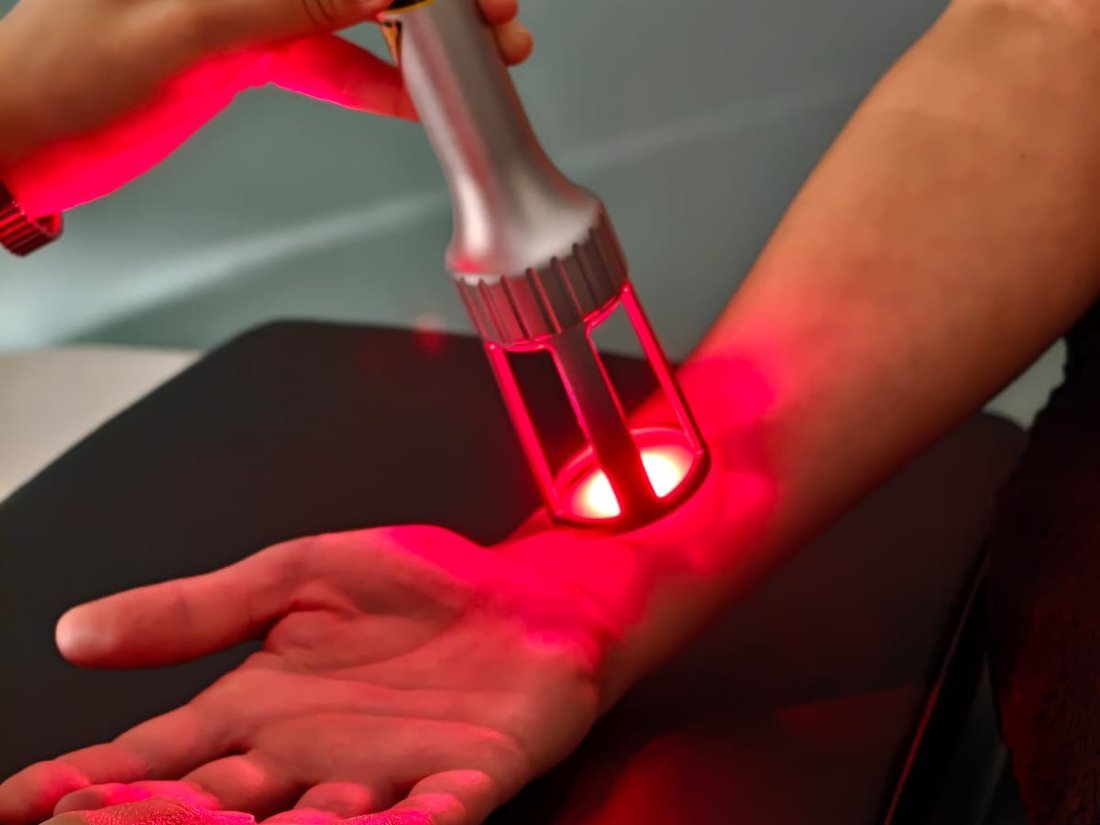
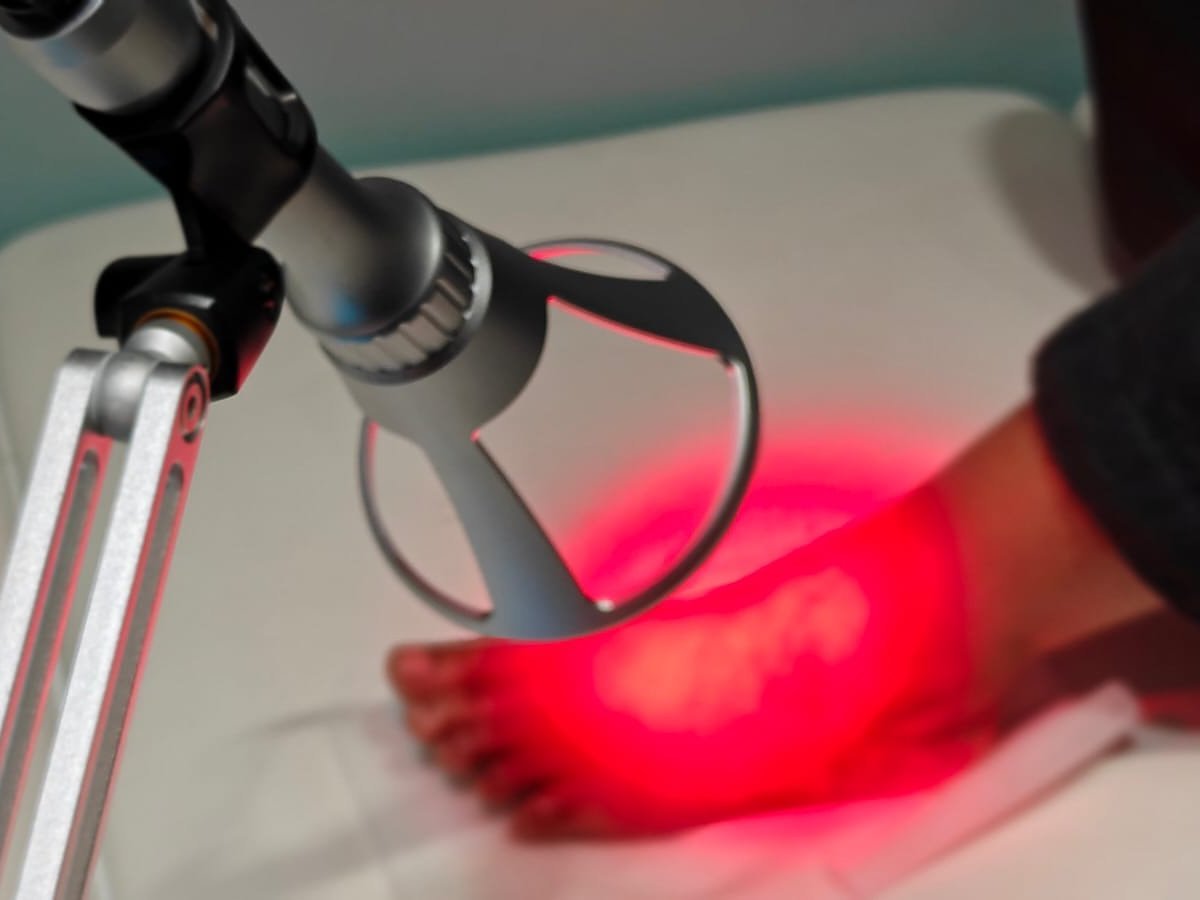
Deep, therapeutic light that reduces pain and inflammation and speeds up tissue repair — a drug-free, non-invasive way to support healing at the cellular level.
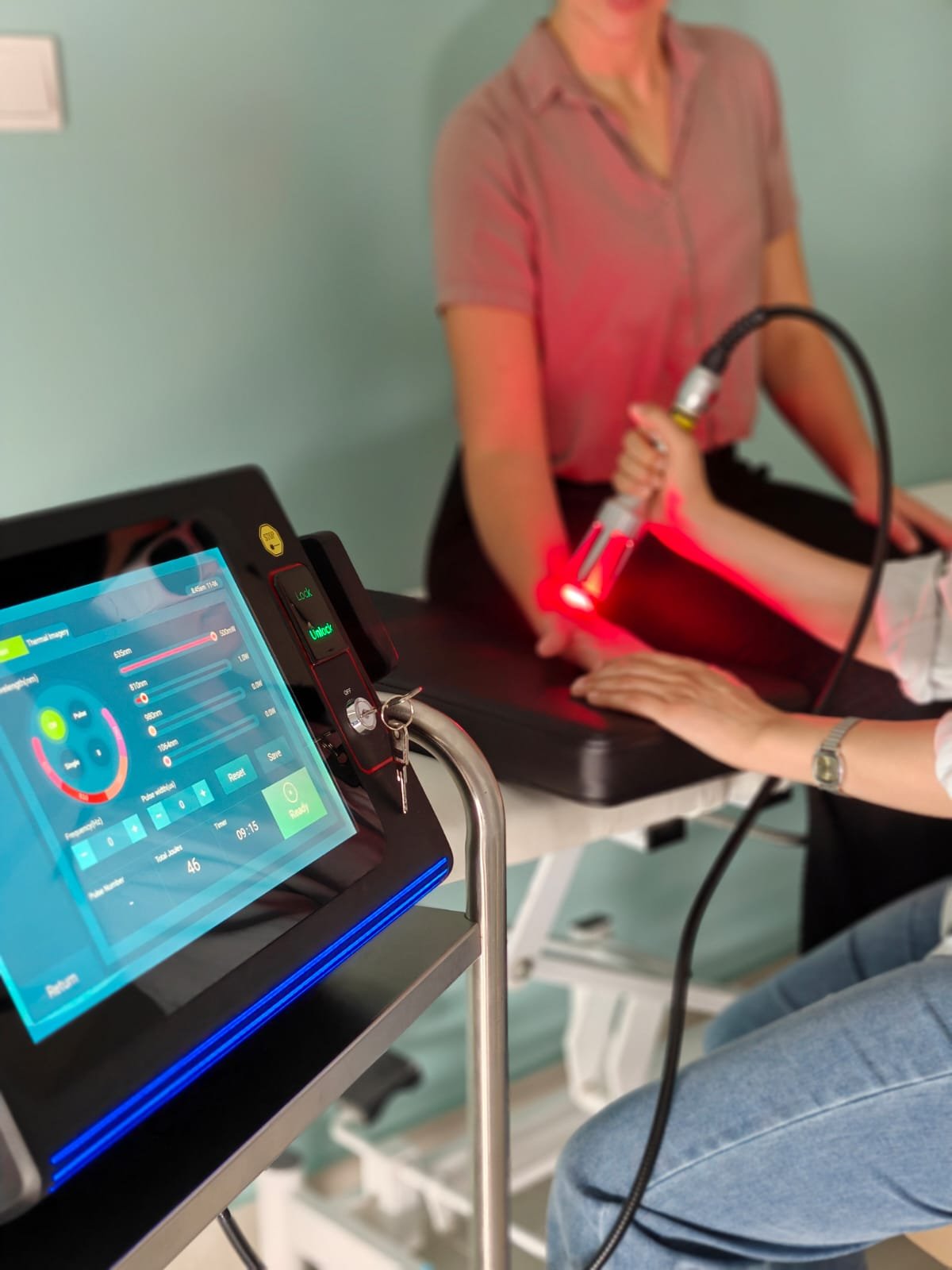
Class 4 therapeutic laser delivers concentrated light energy deep into tissue, where it stimulates cellular energy production (photobiomodulation). This helps reduce inflammation, calm pain signals and accelerate the repair of muscle, tendon and joint tissue — reaching deeper than lower-powered lasers.
Class 4 laser therapy is often used to help with:
At CBP Precision Spine Center, your care is measured, corrective and guided by your clinician — never guesswork. Here is a closer look at the care behind the treatment.

Treatment is quick and comfortable — most people feel a gentle warmth over the area. There is no downtime, and laser is frequently combined with adjustments, rehabilitation or other therapies to support a faster, fuller recovery.
Treatments are recommended only after assessment and tailored to the individual. Suitability and expected outcomes are discussed with your clinician.
Class IV laser therapy (also called high-intensity laser or photobiomodulation) delivers therapeutic light energy deep into injured tissue. The light stimulates cellular energy production, improves local blood flow, and reduces inflammation and pain. Class IV devices are more powerful than older cold lasers, allowing deeper penetration and shorter treatment times.
It is most useful for soft-tissue and inflammatory problems: tendinopathy, muscle strains, ligament sprains, joint inflammation, neck and back pain, and post-injury recovery. We typically use it as an accelerator within a broader plan — calming tissue so rehabilitation and structural correction can progress faster, rather than as a standalone cure.
Treatment is painless — most patients feel only gentle, soothing warmth as the applicator moves over the area. Sessions are short, there is no downtime, and side effects are rare when applied by trained clinicians with appropriate eye protection and dosing. It is a non-invasive, drug-free option.
Acute problems often respond within 3–6 sessions; chronic tendon and joint problems typically need 6–12, usually two to three times weekly at first. Because effects are cumulative, consistency early in the course matters. We pair laser with your rehabilitation plan and reassess response after the first sessions rather than committing you to a long package upfront.
They work differently and suit different problems. Laser uses light energy to reduce inflammation and support cellular healing — well suited to irritated, acute, or inflamed tissue. Shockwave uses acoustic pressure waves to stimulate stubborn, chronic tendon and calcified tissue that has stopped healing. Many patients benefit from both at different phases, and your assessment tells us which fits when.
Book online in under a minute, or talk to a staff member now on WhatsApp — we'll help you find out whether this is right for you.