A sideways curve of the spine — often an ‘S’ or ‘C’ shape — that can appear in adolescence or develop with age. We measure it precisely, then work to reduce and stabilise it without surgery.

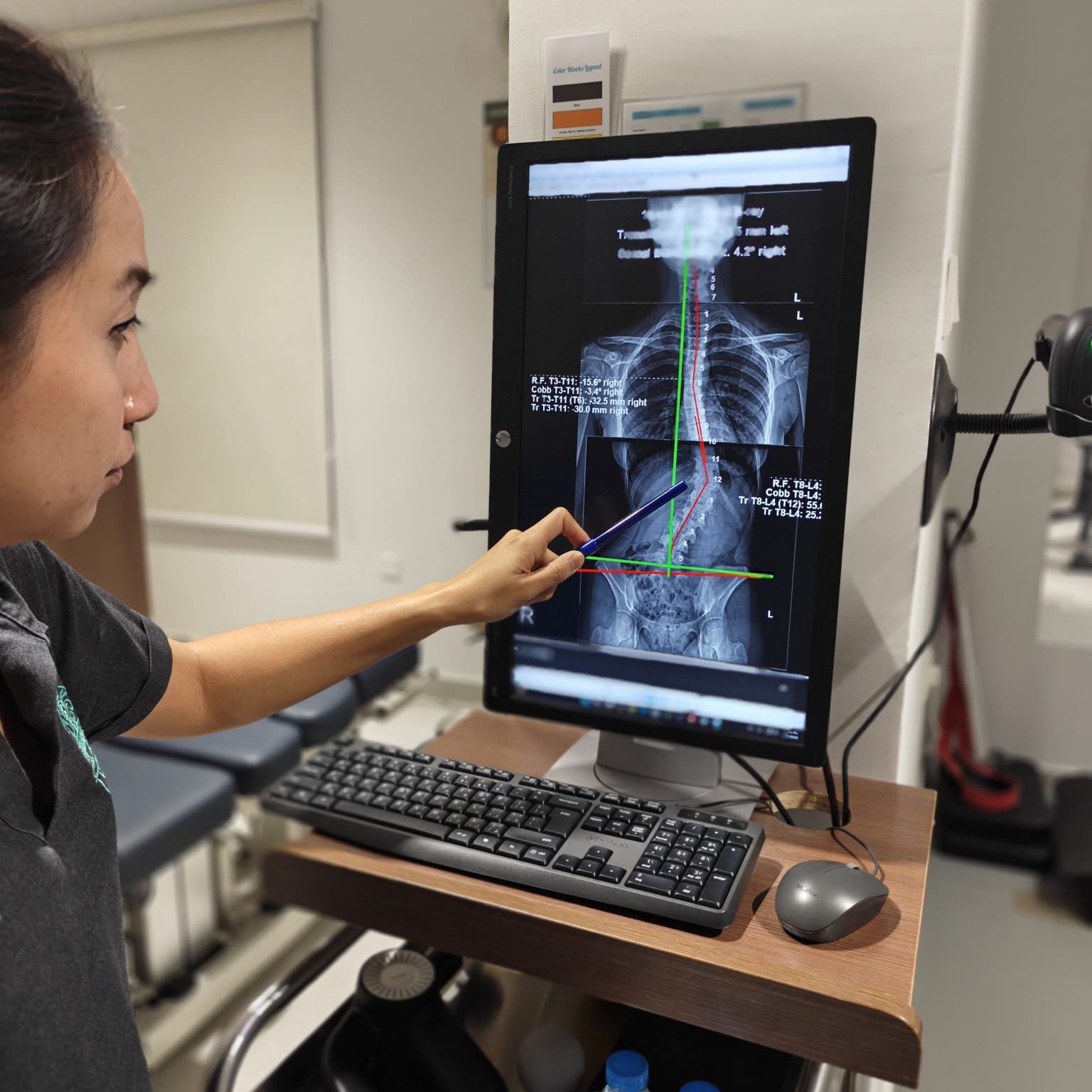
Scoliosis is a three-dimensional change in the shape of the spine, not simply ‘bad posture’. It is most often idiopathic — meaning no single cause — and is commonly first noticed during an adolescent growth spurt, though adults develop it too as the spine changes with age. Severity is described by the Cobb angle, the standard measurement taken from a standing X-ray.
Mild curves often stay stable, but some progress — sometimes slowly enough that they go unnoticed until pain, asymmetry or a visible change appears. Early, accurate measurement is what makes calmer, less invasive management possible.
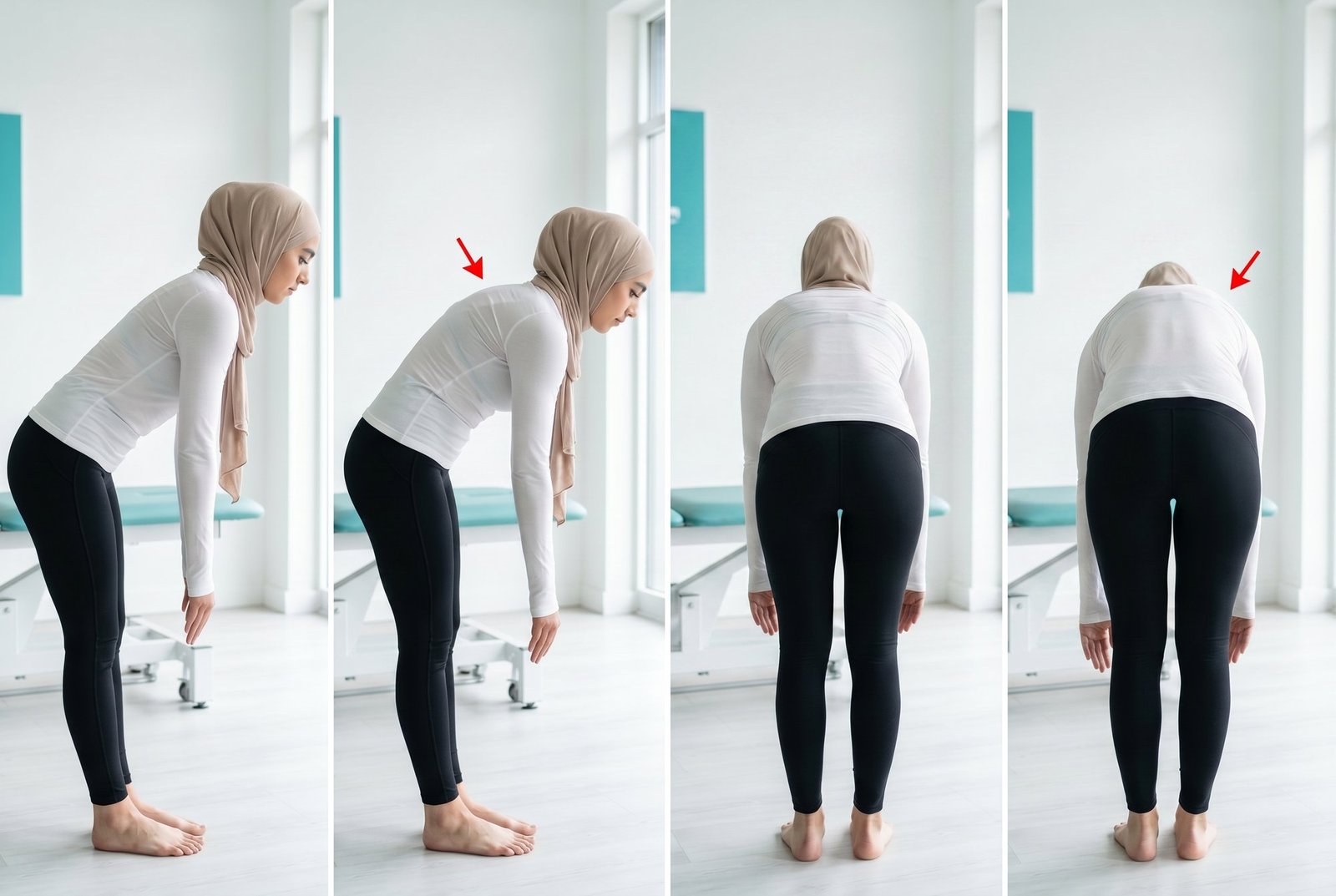
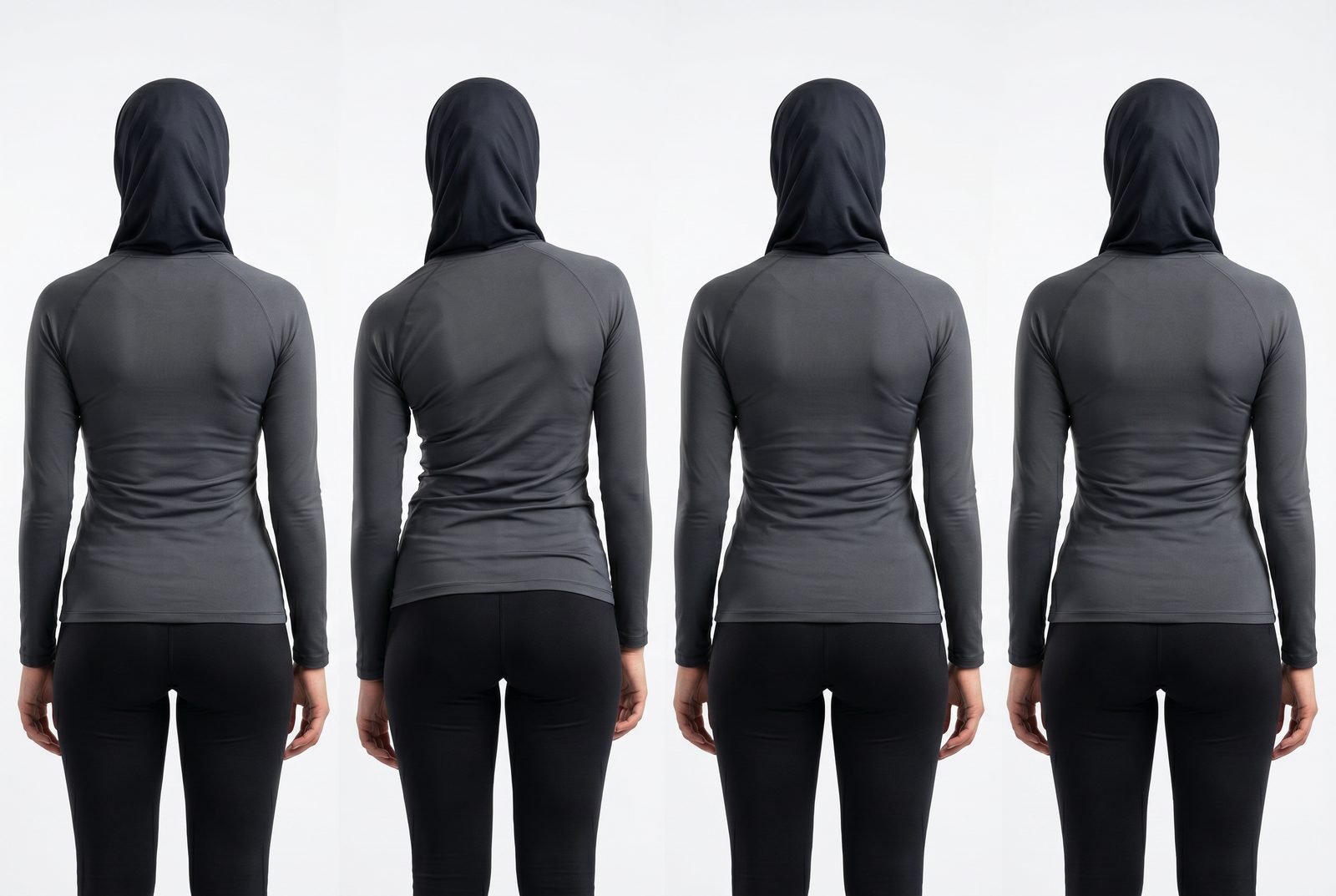
Scoliosis is often painless at first, so it is usually spotted by appearance rather than discomfort — frequently by a parent. If you notice any of the following, a simple standing assessment can tell you where things stand.
These signs do not confirm scoliosis on their own — only a standing X-ray and Cobb-angle measurement can. They are simply reasons to have it checked.
CBP treats scoliosis as a structural problem to be corrected, not just a source of pain to be soothed. At its centre is the Mirror Image® technique: if the spine curves one way, the body is carefully positioned and worked toward the opposite direction, gradually retraining the spine and surrounding tissues toward a more balanced position.
Standing X-rays and postural analysis quantify the curve and its Cobb angle.
Mirror Image® adjustments work against the curve to encourage realignment.
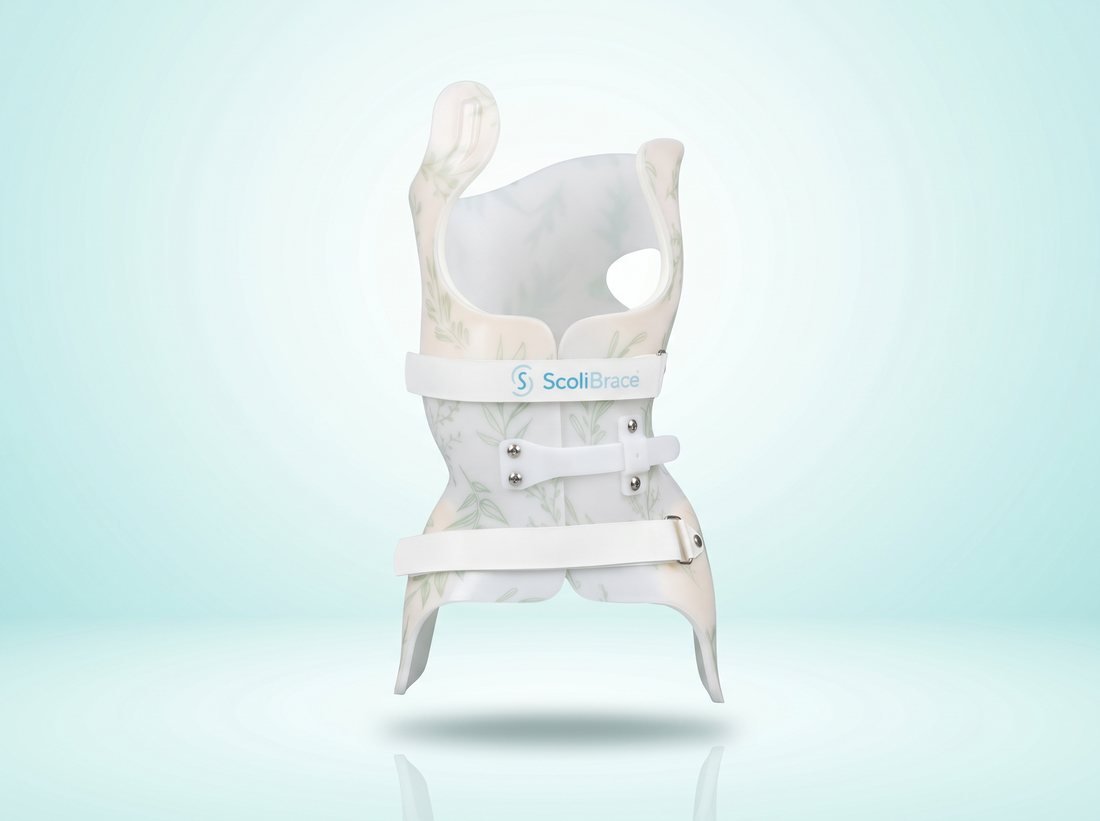
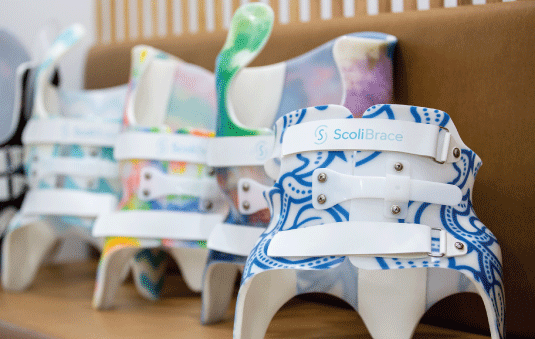
Sustained traction and, where indicated, a custom ScoliBrace® reinforce the correction.
Follow-up imaging at set points confirms change and guides the next phase.
Treatment plans and timelines are individual. Curve type, age and severity all affect what is realistic, and your clinician will discuss expected outcomes openly after your assessment.
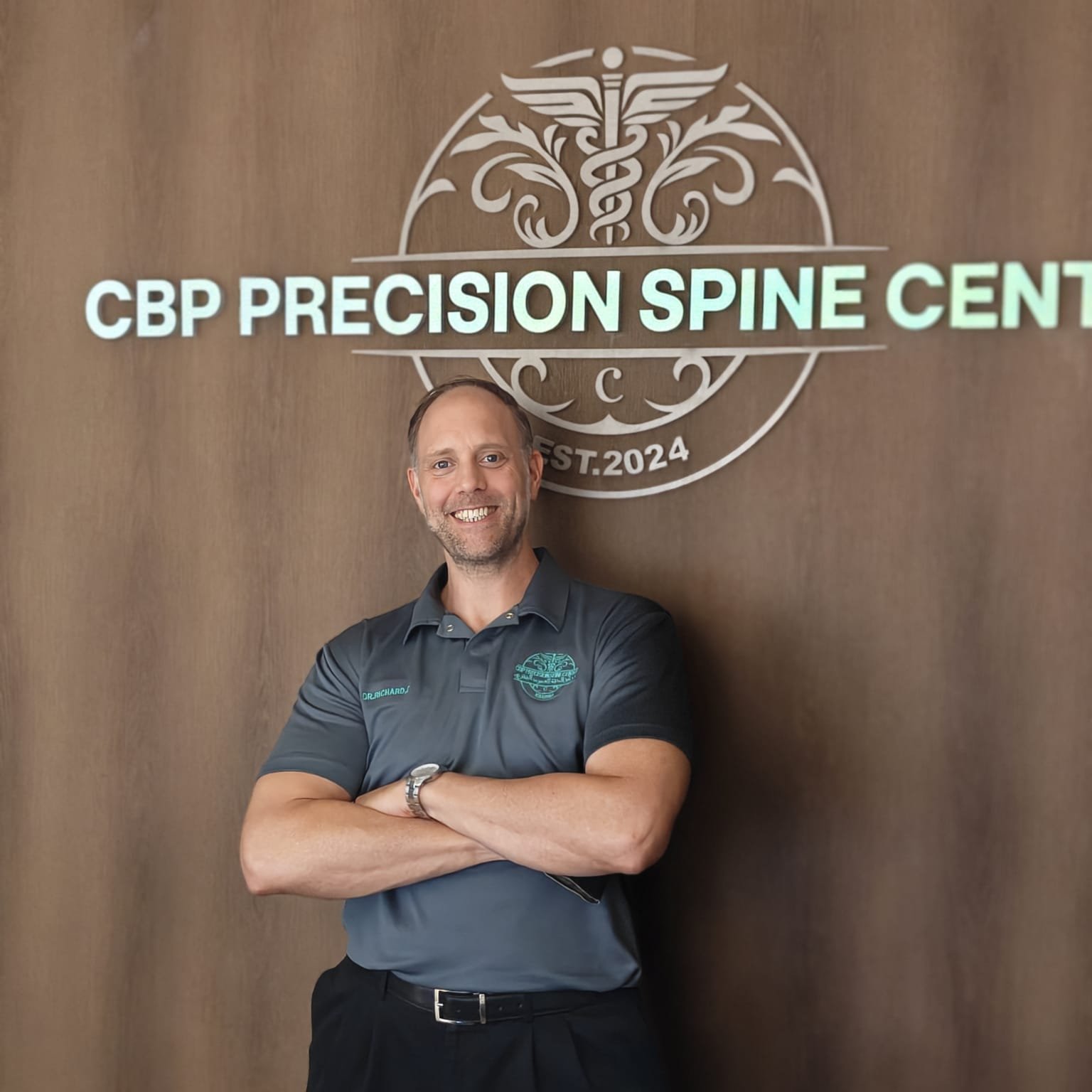
Most traditional braces are built to stop a curve from getting worse. ScoliBrace® is a different generation: a custom, 3D-designed brace built from each person’s own measurements and scan, shaped to guide the body toward a more balanced, upright posture. Dr. Richard Marchetti is a certified ScoliBrace® provider — the first Advanced Certified Chiropractic BioPhysics® practitioner in the region.

Every brace is custom-designed and 3D-built to the individual from their own scan and measurements — shaped to guide posture, then made to be worn comfortably day to day.


Because scoliosis is measured, progress can be shown — not just felt. That is the difference between managing a curve and working to change it.
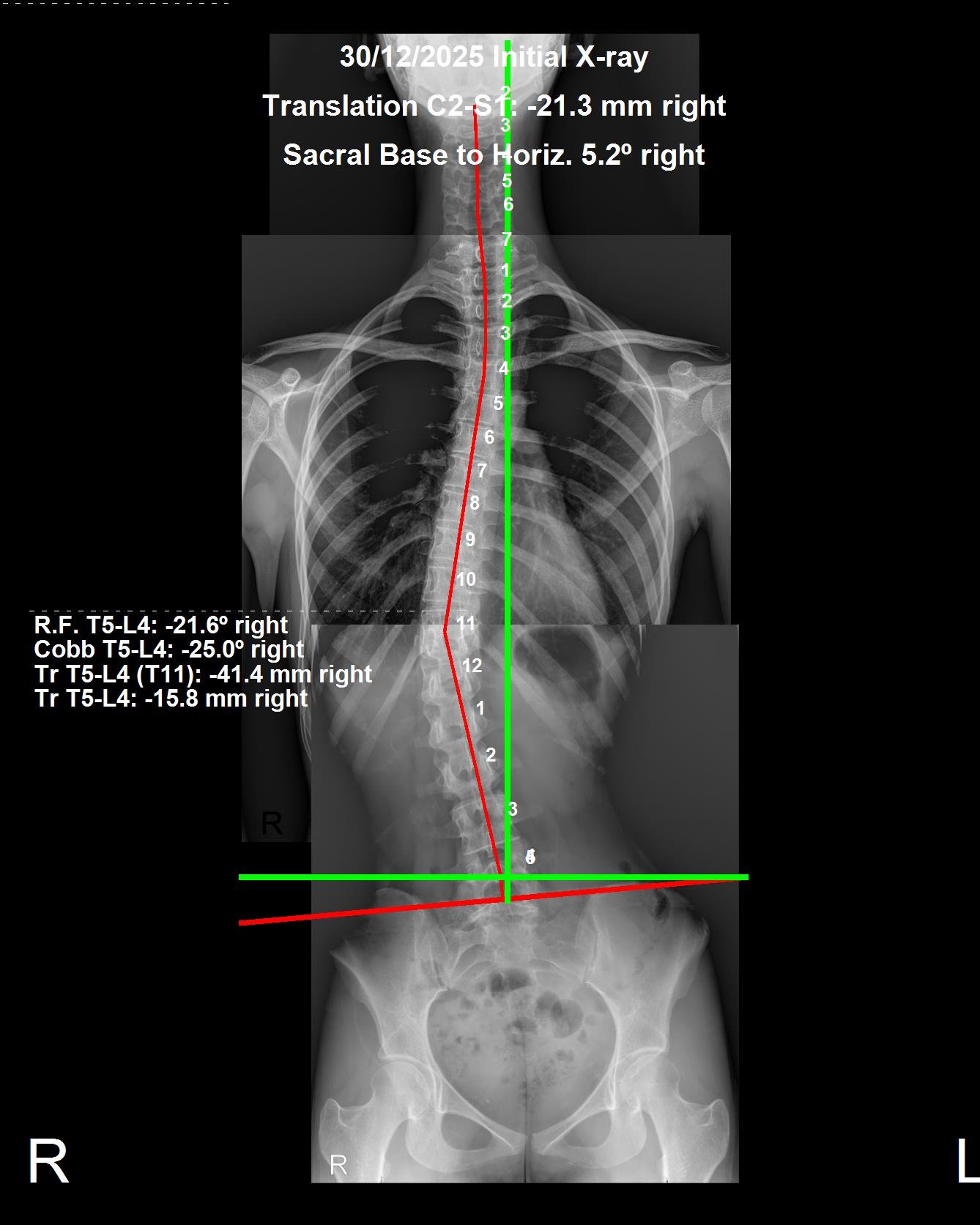
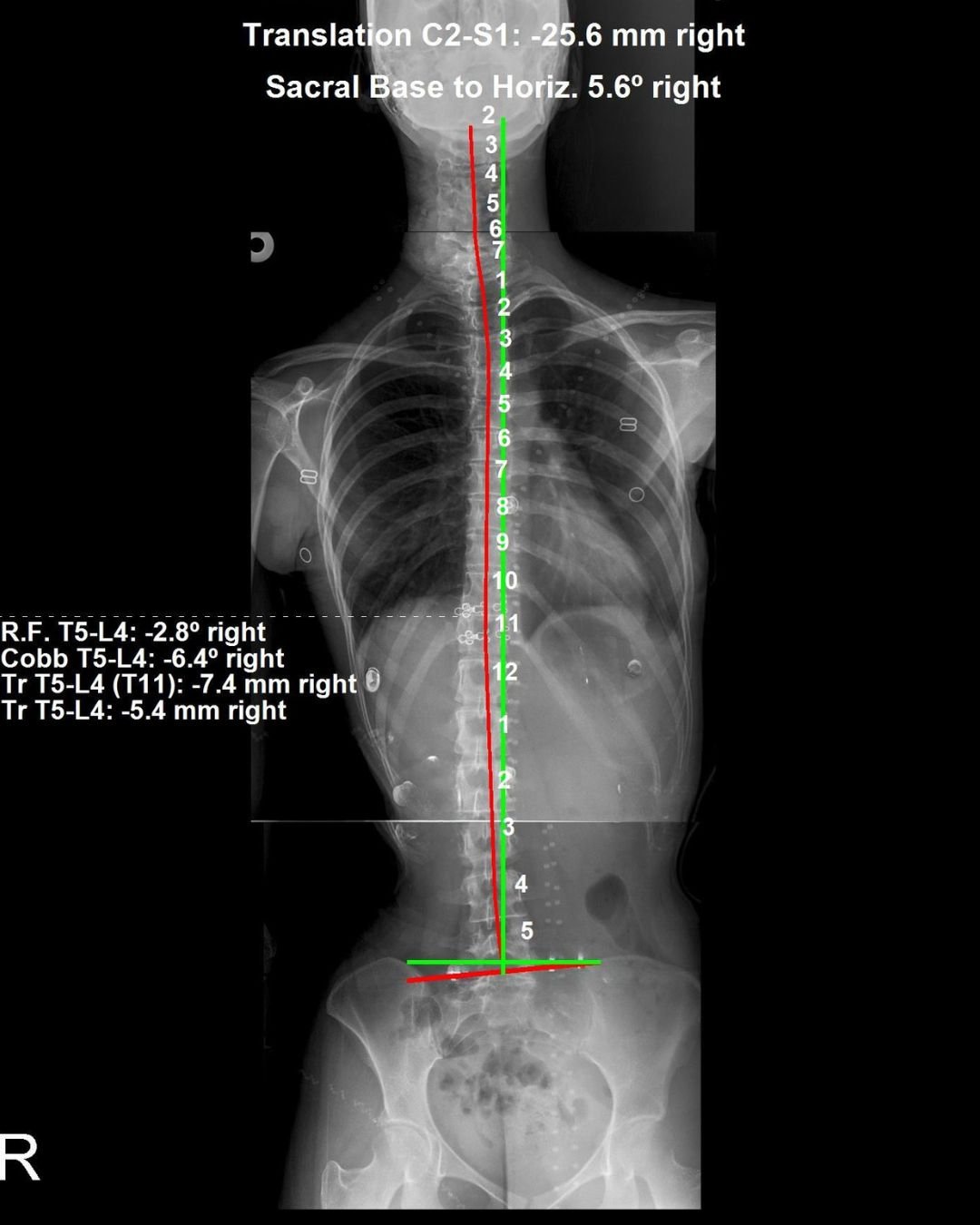
The CBP approach to scoliosisBecause every stage is imaged, change is shown on film rather than estimated. The examples below are real patient X-rays, shared with consent.


Individual results vary. Curve type, age and severity all affect what is realistic, and outcomes are never guaranteed. Images are illustrative of one person’s care.

Many curves can be managed non-surgically, especially when identified early. Chiropractic BioPhysics® and custom ScoliBrace® aim to reduce or stabilise the curve. Suitability depends on curve type, age and severity, which we assess from a standing X-ray before recommending any plan.
No. Adults live with and develop scoliosis too, and adult curves can often be addressed to support posture, comfort and stability. Goals differ from adolescents and are discussed individually after assessment.
Traditional braces are mainly designed to stop a curve from getting worse. ScoliBrace® is a custom, 3D-designed corrective brace that positions the body toward a more balanced posture. Each brace is made to the individual from their own measurements and scan.
Wearing schedules are individual and set by your clinician based on curve type, age and goals. ScoliBrace® is designed to be comfortable and low-profile so it fits into daily life.
Severity is tracked with the Cobb angle taken from standing X-rays. Because scoliosis is measured, change can be shown on follow-up imaging rather than estimated — that is central to our approach.
Begin with a scoliosis assessment. We take standing X-rays and a postural analysis to measure the curve precisely, then explain the options and expected outcomes openly. You can book through WhatsApp.