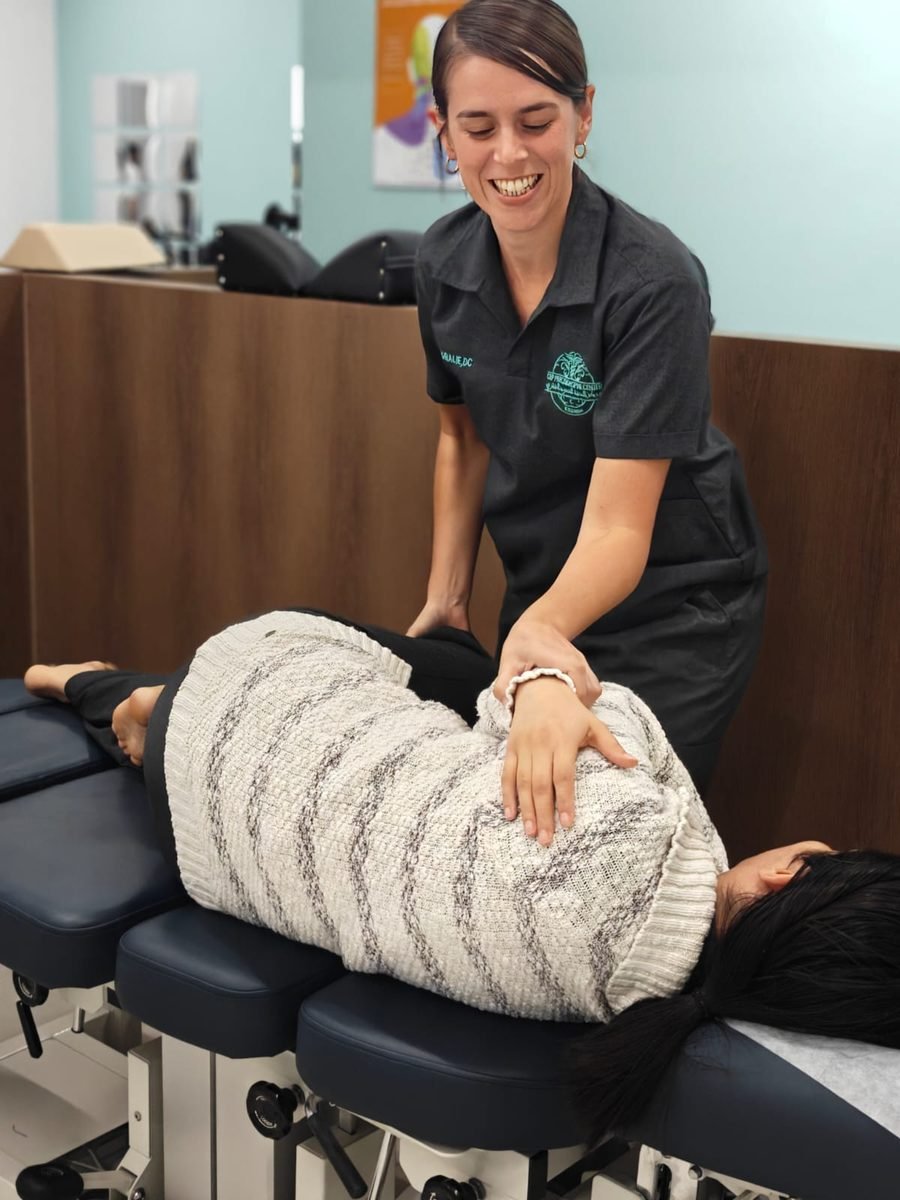
CBP structural analysis of spinal X-rays at CBP Precision Spine Center
Home / Research & Resources
Research & Resources

The published science behind structural spine care.

CBP® and scoliosis care at our clinic follows methods examined in peer-reviewed journals — from randomized controlled trials to international treatment guidelines. Explore the key publications below.

Resources for more information

Peer-reviewed CBP® research

Systematic reviews & protocols

  • Oakley PA, Ehsani NN, Moustafa IM, Harrison DE. Restoring cervical lordosis by cervical extension traction methods in the treatment of cervical spine disorders: a systematic review of controlled trials. J Phys Ther Sci. 2021;33(10):784–794. View study ↗
  • Oakley PA, Ehsani NN, Moustafa IM, Harrison DE. Restoring lumbar lordosis: a systematic review of controlled trials utilizing Chiropractic BioPhysics® (CBP®) non-surgical approach to increasing lumbar lordosis in the treatment of low back disorders. J Phys Ther Sci. 2020;32(9):601–610. View study ↗
  • Oakley PA, Harrison DD, Harrison DE, Haas JW. Evidence-based protocol for structural rehabilitation of the spine and posture: review of Clinical Biomechanics of Posture (CBP®) publications. J Can Chiropr Assoc. 2005;49(4):270–296.

Randomized trials — cervical spine

  • Moustafa IM, Diab AA, Hegazy F, Harrison DE. Demonstration of central conduction time and neuroplastic changes after cervical lordosis rehabilitation in asymptomatic subjects: a randomized, placebo-controlled trial. Sci Rep. 2021;11:15379. View study ↗
  • Moustafa IM, Diab AA, Harrison DE. The efficacy of cervical lordosis rehabilitation for nerve root function and pain in cervical spondylotic radiculopathy: a randomized trial with 2-year follow-up. J Clin Med. 2022;11(21):6515. View study ↗
  • Moustafa IM, Diab AA, Harrison DE. Does improvement towards a normal cervical sagittal configuration aid in the management of lumbosacral radiculopathy: a randomized controlled trial. J Clin Med. 2022;11(19):5768. View study ↗

Randomized & controlled trials — lumbar spine

  • Harrison DE, Cailliet R, Harrison DD, Janik TJ, Holland B. Changes in sagittal lumbar configuration with a new method of extension traction: nonrandomized clinical controlled trial. Arch Phys Med Rehabil. 2002;83(11):1585–1591. View study ↗
  • Diab AA, Moustafa IM. Lumbar lordosis rehabilitation for pain and lumbar segmental motion in chronic mechanical low back pain: a randomized trial. J Manipulative Physiol Ther. 2012;35(4):246–253.
  • Moustafa IM, Diab AA. Extension traction treatment for patients with discogenic lumbosacral radiculopathy: a randomized controlled trial. Clin Rehabil. 2012.

Clinical case research

  • Haas JW, Woodham T, Oakley PA, Fortner MO, Harrison D. The Subjective and Objective Improvement Using Chiropractic BioPhysics® Protocols. Cureus. 2023;15(12):e50533. View study ↗

Scoliosis rehabilitation & bracing research

SOSORT resources

Scoliosis industry publications

  • Farooqui S, et al. Effects of spinal mobilization techniques in the management of adolescent idiopathic scoliosis — a meta-analysis. Int J Health Sci. 2018.
  • Laita L, et al. Effects of corrective, therapeutic exercise techniques on adolescent idiopathic scoliosis: a systematic review. Arch Argent Pediatr. 2018;116(4).
  • Li X, et al. Effect of core-based exercise in people with scoliosis: a systematic review and meta-analysis. Clin Rehabil. 2020. View study ↗
  • Park JH, et al. Effects of the Schroth exercise on idiopathic scoliosis: a meta-analysis. Eur J Phys Rehabil Med. 2018. View study ↗
  • Schreiber S, Parent E, Hill H, Hedden D, Moreau M, Southon S. How much change in the Cobb angle is needed for the patient to observe positive change in their backs following a Schroth intervention? BMC Musculoskelet Disord. 2019. View study ↗
  • Zapata KA, Sucato DJ, Jo CH. Physical therapy scoliosis-specific exercises may reduce curve progression in mild adolescent idiopathic scoliosis curves. Pediatr Phys Ther. 2019.

This page is provided for education only and is not a substitute for professional medical advice, diagnosis, or treatment. Research findings describe the populations studied; individual results vary. Always consult a qualified clinician about your specific condition.

WhatsApp