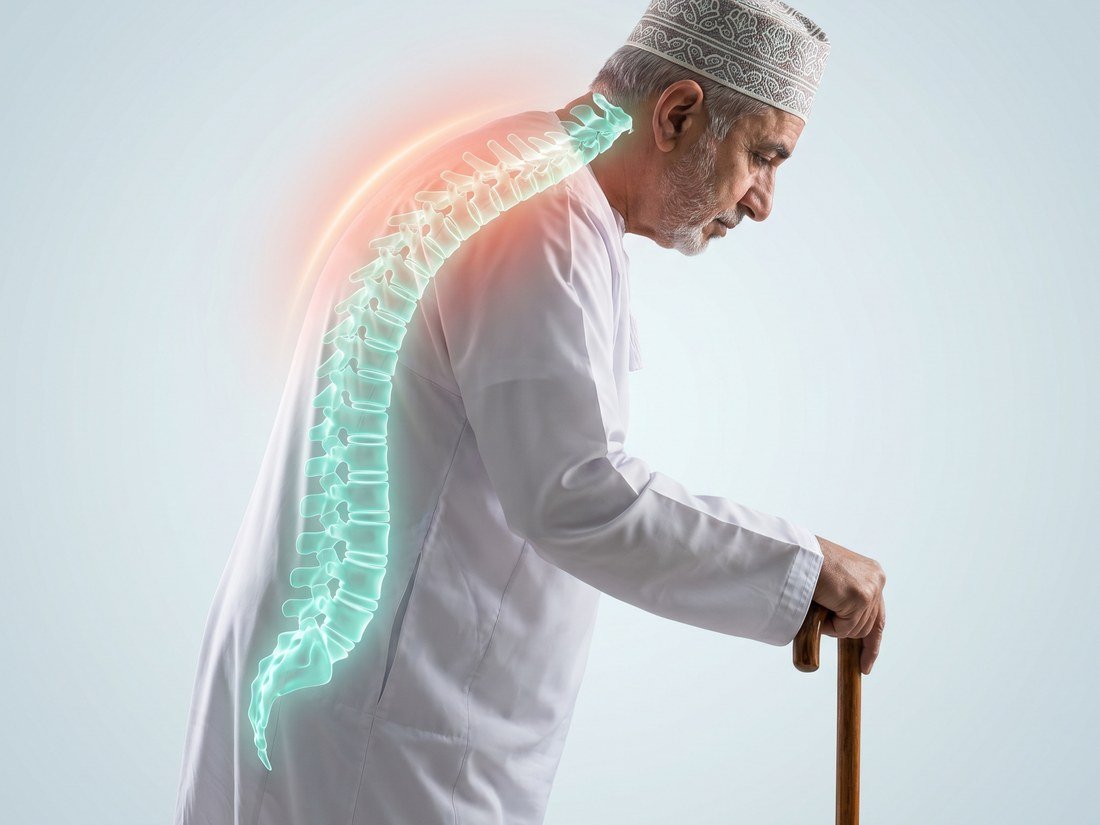
Poor posture is a common and often overlooked condition that can contribute to chronic pain, reduced mobility, fatigue, and long-term spinal stress. In Muscat, Oman, modern lifestyle factors such as prolonged sitting, desk work, mobile device use, and limited movement are frequent contributors to postural imbalance.
At CBP Precision Spine Center in Muscat, poor posture is evaluated and addressed using evidence-based Chiropractic BioPhysics® (CBP) principles, with a focus on spinal alignment, biomechanics, and long-term structural correction rather than temporary relief.
What Is Poor Posture?
Poor posture refers to sustained positions in which the spine deviates from its ideal alignment, placing excessive stress on muscles, joints, discs, and the nervous system. Common postural patterns include forward head posture, rounded shoulders, excessive upper-back curvature, and altered spinal curves.
When maintained over time, poor posture can disrupt movement efficiency, increase mechanical strain, and contribute to a wide range of musculoskeletal symptoms.
Posture isn't about "sitting up straight." When the spine's curves drift from normal the load shifts — and that load can be measured, then corrected.
CBP Precision Spine Center · Muscat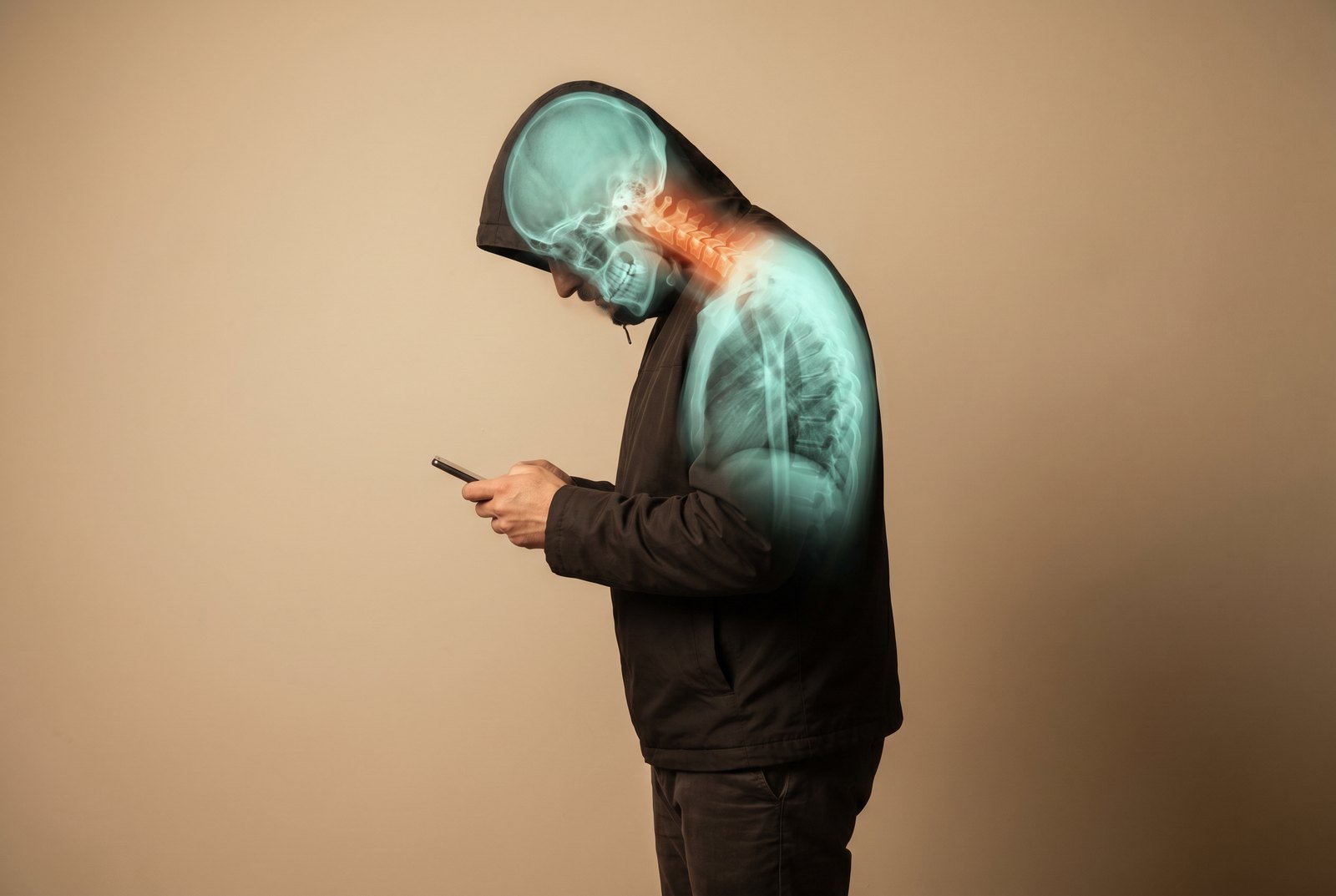
Common Causes of Poor Posture
Postural imbalance often develops gradually and may be influenced by multiple factors, including:
Prolonged Sitting and Screen Use
Extended time spent at desks, computers, or mobile devices commonly leads to forward head posture and rounded shoulders.
Weak or Imbalanced Musculature
Inadequate core, postural, or stabilizing muscle support may reduce the body’s ability to maintain proper alignment during daily activities.
Abnormal Spinal Curves
Loss of normal cervical or lumbar curves, or excessive thoracic rounding, can alter load distribution throughout the spine.
Repetitive Movement and Occupational Strain
Work demands, repetitive tasks, and poor ergonomics may reinforce faulty postural patterns over time.
Past Injury or Structural Changes
Previous injuries, spinal conditions, or growth-related changes may influence how posture is maintained long-term.
Pains Commonly Associated with Poor Posture
Poor posture may contribute to a variety of symptoms and pain, including:
- Neck, upper back, or lower back pain
- Shoulder tension or stiffness
- Headaches or postural fatigue
- Reduced spinal flexibility
- Muscle tightness or imbalance
- Discomfort with prolonged sitting or standing
- Muscle Pain
Symptoms may vary between individuals and are not always limited to the area where posture appears most altered.
Why Chiropractic BioPhysics® (CBP) Is Used for Postural Correction
Chiropractic BioPhysics® (CBP) is a scientifically developed method of spinal rehabilitation that focuses on correcting abnormal spinal curves and posture using principles of physics and biomechanics.
Research supporting CBP demonstrates that targeted postural correction strategies may:
- Improve spinal alignment and posture
- Reduce mechanical stress on joints and discs
- Enhance movement efficiency
- Support long-term musculoskeletal function
Rather than managing posture symptomatically, CBP-based care focuses on measurable structural improvement over time.
When to Consider a Postural Evaluation
A professional postural evaluation may be appropriate if you experience:
- Persistent neck or back discomfort
- Fatigue with sitting or standing
- Noticeable posture changes
- Headaches or tension linked to posture
- Reduced performance in work, daily tasks, or exercise
Early evaluation allows postural issues to be addressed before contributing to more persistent spinal stress.
If you are concerned about poor posture or posture-related discomfort, contact CBP Precision Spine Center in Muscat, Oman to schedule a comprehensive postural assessment with our clinical team led by Dr. Richard Marchetti, DC. Our evidence-based approach is designed to support spinal alignment, movement quality, and long-term postural health for patients across Muscat and the GCC region.
تُعدّ الوضعية الخاطئة حالة شائعة وغالبًا ما يتم تجاهلها، وقد تسهم في حدوث آلام مزمنة، وانخفاض في القدرة على الحركة، والإرهاق، وزيادة الضغط طويل الأمد على العمود الفقري. وفي مسقط، عُمان، تُعدّ عوامل نمط الحياة الحديث مثل الجلوس لفترات طويلة، والعمل المكتبي، واستخدام الأجهزة الذكية، وقلة الحركة من الأسباب الشائعة لاختلال التوازن الوضعي.
في مركز CBP Precision Spine Center في مسقط، يتم تقييم وتصحيح الوضعية الخاطئة باستخدام مبادئ Chiropractic BioPhysics® (CBP) المبنية على الأدلة العلمية، مع التركيز على محاذاة العمود الفقري، والميكانيكا الحيوية، والتصحيح البنيوي طويل الأمد، بدلًا من الاعتماد على تخفيف الأعراض المؤقت فقط.
ما هي الوضعية الخاطئة؟
يشير ضعف الوضعية (سوء القوام) إلى اتخاذ أوضاع مستمرة ينحرف فيها العمود الفقري عن محاذاته المثالية، مما يؤدي إلى زيادة الضغط على العضلات والمفاصل والأقراص الفقرية والجهاز العصبي. وتشمل الأنماط الشائعة لسوء الوضعية: تقدم الرأس إلى الأمام، واستدارة الكتفين، وزيادة انحناء الجزء العلوي من الظهر، وتغيّر الانحناءات الطبيعية للعمود الفقري.
وعند الاستمرار على هذه الأوضاع لفترات طويلة، يمكن لسوء الوضعية أن يعيق كفاءة الحركة، ويزيد من الإجهاد الميكانيكي على الجسم، ويسهم في ظهور مجموعة واسعة من الأعراض العضلية الهيكلية.
الوضعية ليست مجرّد «الجلوس باستقامة». عندما تنحرف انحناءات العمود الفقري عن وضعها الطبيعي يتغيّر توزيع الحِمل — وهذا الحِمل يمكن قياسه ثم تصحيحه.
مركز الدقة للعمود الفقري · مسقطالأسباب الشائعة لسوء الوضعية
غالبًا ما يتطور اختلال التوازن الوضعي تدريجيًا، وقد يتأثر بعدة عوامل، من بينها:
الجلوس لفترات طويلة واستخدام الشاشات
يؤدي قضاء فترات طويلة على المكاتب أو أمام أجهزة الكمبيوتر أو الهواتف المحمولة غالبًا إلى وضعية الرأس المتقدمة إلى الأمام واستدارة الكتفين.
ضعف العضلات أو عدم توازنها
قد يؤدي ضعف العضلات الأساسية أو عضلات الوضعية أو العضلات المُثبِّتة إلى تقليل قدرة الجسم على الحفاظ على المحاذاة الصحيحة أثناء الأنشطة اليومية.
الانحناءات غير الطبيعية للعمود الفقري
قد يؤدي فقدان الانحناءات الطبيعية للعمود الفقري العنقي أو القطني، أو زيادة تقوس المنطقة الصدرية، إلى تغيّر توزيع الأحمال على امتداد العمود الفقري.
الحركات المتكررة والإجهاد المهني
قد تؤدي متطلبات العمل، والمهام المتكررة، وضعف بيئة العمل الهندسية (الإرجونومية) إلى ترسيخ أنماط وضعية خاطئة مع مرور الوقت.
الإصابات السابقة أو التغيّرات الهيكلية
قد تؤثر الإصابات السابقة، أو حالات العمود الفقري، أو التغيّرات المرتبطة بالنمو على كيفية الحفاظ على الوضعية على المدى الطويل.
الآلام الشائعة المرتبطة بسوء الوضعية
قد يساهم سوء الوضعية في ظهور مجموعة متنوعة من الأعراض والآلام، بما في ذلك:
- ألم في الرقبة أو أعلى الظهر أو أسفل الظهر
- توتر أو تيبّس في الكتفين
- الصداع أو الإرهاق المرتبط بالوضعية
- انخفاض مرونة العمود الفقري
- شدّ عضلي أو عدم توازن عضلي
- الشعور بعدم الراحة عند الجلوس أو الوقوف لفترات طويلة
- آلام عضلية
قد تختلف الأعراض من شخص لآخر، ولا تقتصر دائمًا على المنطقة التي يظهر فيها اختلال الوضعية بشكلٍ أوضح.
لماذا يُستخدم نظام Chiropractic BioPhysics® (CBP) لتصحيح الوضعية
يُعد Chiropractic BioPhysics® (CBP) منهجًا علميًا مُطوّرًا لإعادة تأهيل العمود الفقري، يركّز على تصحيح الانحناءات غير الطبيعية للعمود الفقري وتحسين الوضعية باستخدام مبادئ الفيزياء والميكانيكا الحيوية.
وتُظهر الأبحاث الداعمة لـ CBP أن استراتيجيات تصحيح الوضعية المُوجّهة قد تسهم في:
- تحسين محاذاة العمود الفقري والوضعية
- تقليل الإجهاد الميكانيكي الواقع على المفاصل والأقراص الفقرية
- تعزيز كفاءة الحركة
- دعم وظيفة الجهاز العضلي الهيكلي على المدى الطويل
وبدلًا من الاكتفاء بإدارة الوضعية بشكل عرضي أو مؤقت، يركّز العلاج المعتمد على CBP على تحسينات هيكلية قابلة للقياس مع مرور الوقت.
متى يجب التفكير في إجراء تقييم للوضعية
قد يكون التقييم المهني للوضعية مناسبًا إذا كنت تعاني من:
- انزعاج مستمر في الرقبة أو الظهر
- إرهاق عند الجلوس أو الوقوف لفترات طويلة
- تغيّرات ملحوظة في الوضعية
- صداع أو توتر مرتبط بالوضعية
- انخفاض الأداء في العمل أو الأنشطة اليومية أو التمارين
يُسهم التقييم المبكر في معالجة مشكلات الوضعية قبل أن تؤدي إلى إجهاد مزمن ومستمر على العمود الفقري.
إذا كنت تشعر بالقلق بشأن سوء الوضعية أو الانزعاج المرتبط بها، يُرجى التواصل مع مركز CBP Precision Spine Center في مسقط، عُمان، لحجز تقييم شامل للوضعية مع فريقنا السريري بقيادة الدكتور ريتشارد ماركيتي، دكتور في العلاج بتقويم العمود الفقري (DC).
يعتمد نهجنا القائم على الأدلة العلمية على دعم محاذاة العمود الفقري، وتحسين جودة الحركة، وتعزيز صحة الوضعية على المدى الطويل للمرضى في مسقط ومختلف أنحاء منطقة دول مجلس التعاون الخليجي.