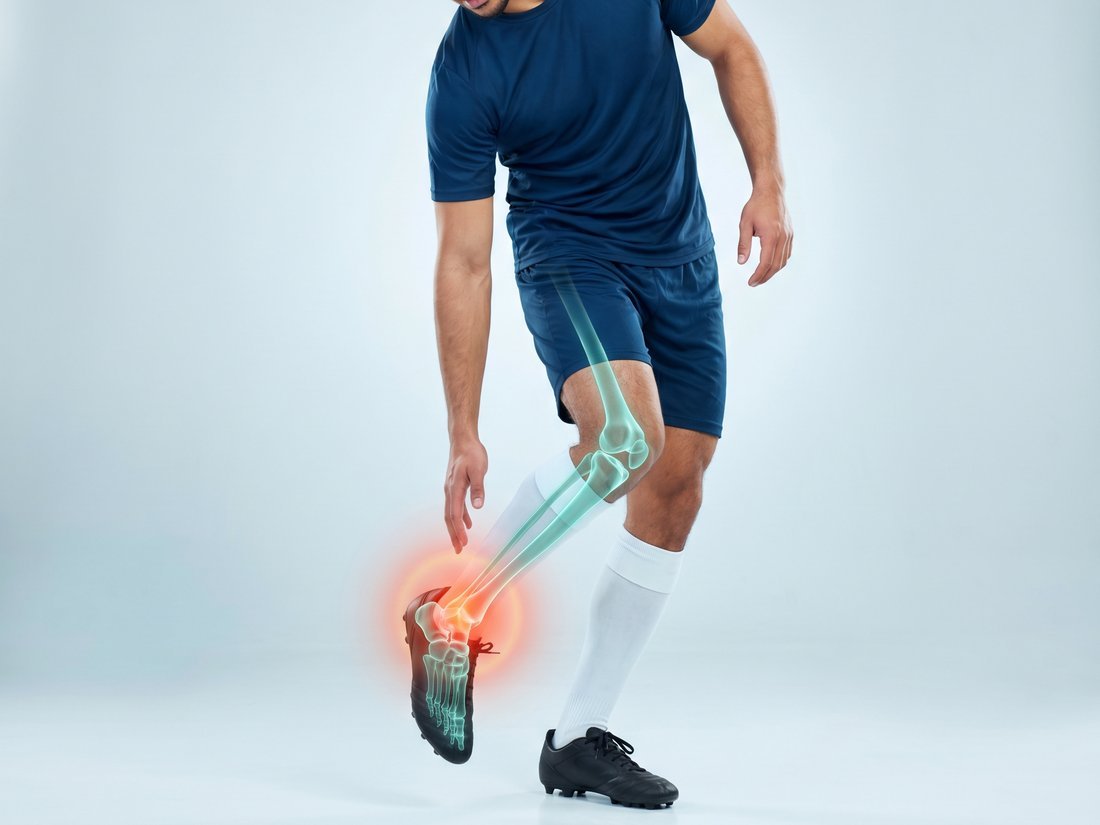
Sports injuries — ranging from acute sprains to chronic overuse conditions — are common among athletes and active individuals throughout Muscat, Oman, and the Gulf region. These injuries can affect joints, muscles, ligaments, and connective tissues, leading to pain, reduced performance, and limitations in activity.
At CBP Precision Spine Center in Muscat, Oman, sports injury care is guided by evidence-based chiropractic and rehabilitation principles, including Chiropractic BioPhysics® (CBP)-informed assessment and movement correction. Our goal is to identify underlying movement and postural contributors to injury and support functional recovery, resilience, and long-term performance.
What Are Sports Injuries?
Sports injuries are physical injuries sustained during athletic, recreational, or training activities. They may result from:
- Acute trauma (e.g., sudden impact, twists, falls)
- Repetitive overuse and mechanical stress
- Biomechanical imbalances
- Improper training techniques
- Muscle fatigue or inadequate recovery
Common sports injuries include:
- Ligament sprains (e.g., ankle, knee)
- Muscle strains
- Tendinopathies (e.g., Achilles, patellar, rotator cuff)
- Joint irritation
- Lower-back, neck, or shoulder pain related to movement patterns
The injury you feel is often the end of the story. The movement and postural patterns that led to it are where lasting recovery begins.
CBP Precision Spine Center · Muscat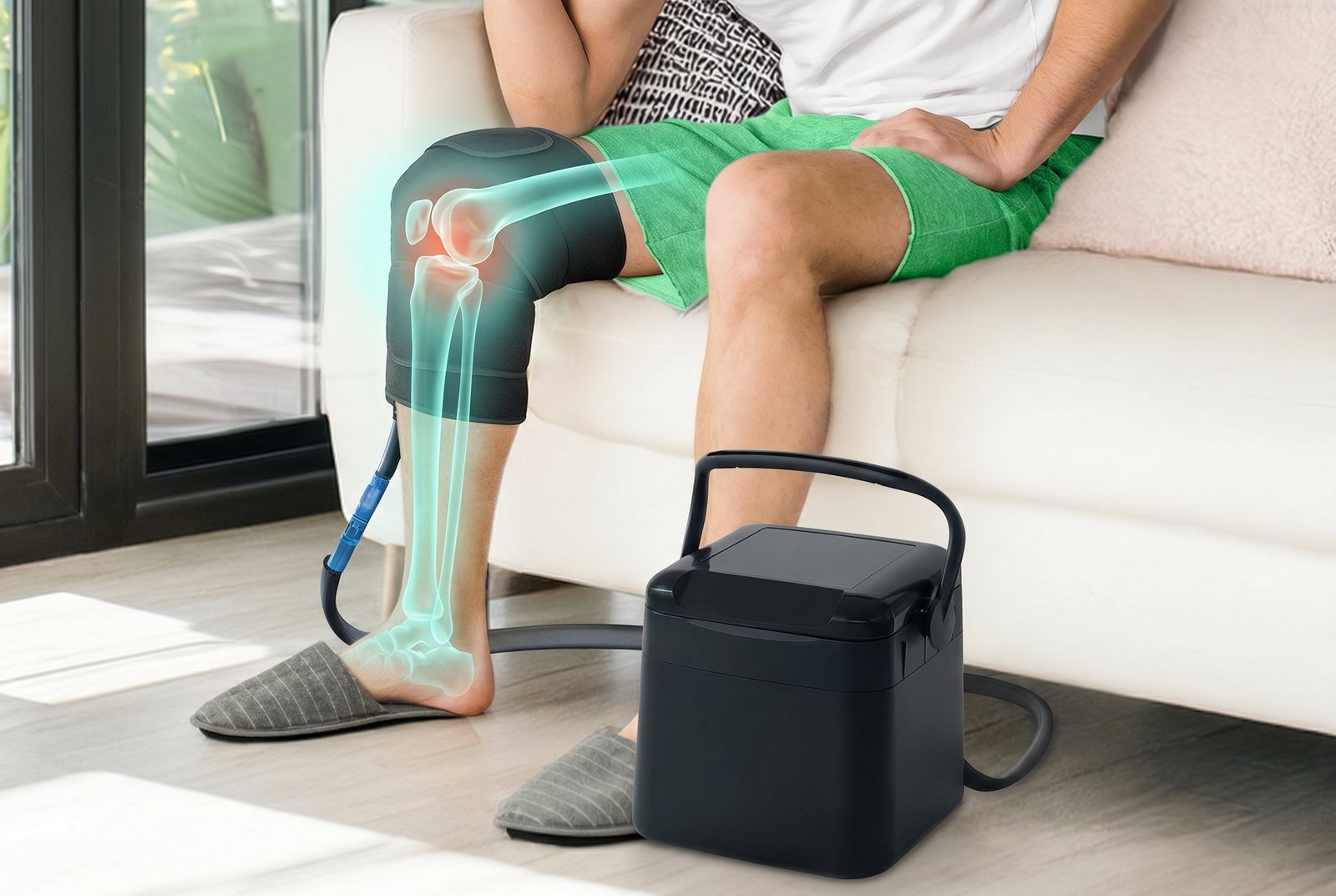
How Sports Injuries Are Evaluated at CBP Precision Spine Center
Evaluation is designed to determine both the site of injury and the underlying functional and postural contributors that influence movement, strain, and recovery.
Assessments may include:
- Detailed clinical history and injury timeline
- Posture and movement analysis
- Functional strength and range-of-motion testing
- Neuromuscular and biomechanical screening
- Diagnostic imaging when clinically appropriate
This structured, objective evaluation guides individualized rehabilitation planning rather than focusing only on symptom location.
Common Sports Injuries We See
Ankle and Knee Sprains
Often related to rapid changes in direction, uneven ground, or instability; require joint support and movement retraining.
Tendinopathies and Overuse Strain
Includes conditions such as Achilles, patellar, and elbow tendon irritation; often linked to repetitive loading patterns.
Common in overhead athletes and may involve muscular imbalance or scapular dysfunction.
Rotator Cuff / Shoulder Strain
May arise from lifting mechanics, core weakness, sudden impact, or prolonged training stress.
Lower Back and Neck Strain
Why Chiropractic BioPhysics® (CBP) Matters for Sports Injury Care
Chiropractic BioPhysics® (CBP) is an evidence-based corrective approach that emphasizes spinal alignment, posture, and biomechanics — all of which influence how forces are distributed during athletic activity and recovery.
Research on CBP and similar posture/biomechanics-focused care has demonstrated:
- Improvements in postural alignment and spinal curves
- Enhanced movement efficiency
- Reduced musculoskeletal strain
- Better functional outcomes when integrated with rehabilitation programs
In the context of sports injury care, CBP-based assessment and corrective strategies:
- Help identify movement and postural imbalances that contribute to injury risk
- Support more efficient load distribution across joints and tissues
- Enhance recovery when integrated with targeted rehabilitation
- Promote long-term performance sustainability for athletes
By addressing both the injury site and the movement system as a whole, CBP-informed care supports deeper functional recovery.
تُعدّ إصابات الرياضة — التي تتراوح بين الالتواءات الحادة وحالات الإجهاد المزمن الناتجة عن الإفراط في الاستخدام — شائعة بين الرياضيين والأشخاص النشطين في مسقط، عُمان، وفي مختلف أنحاء منطقة الخليج. وقد تؤثر هذه الإصابات على المفاصل والعضلات والأربطة والأنسجة الضامة، مما يؤدي إلى الألم، وانخفاض الأداء، والحد من القدرة على ممارسة الأنشطة.
في مركز CBP Precision Spine Center في مسقط، عُمان، تستند رعاية إصابات الرياضة إلى مبادئ العلاج بتقويم العمود الفقري وإعادة التأهيل القائمة على الأدلة العلمية، بما في ذلك التقييم وتصحيح الحركة الموجَّهين وفق منهج Chiropractic BioPhysics® (CBP). ويتمثل هدفنا في تحديد العوامل الكامنة المتعلقة بالحركة والوضعية التي تسهم في الإصابة، ودعم التعافي الوظيفي، وتعزيز المرونة البدنية، وتحقيق أداء طويل الأمد.
ما هي الإصابات الرياضية؟
الإصابات الرياضية هي إصابات جسدية تحدث أثناء الأنشطة الرياضية أو الترفيهية أو التدريبية. وقد تنتج عن عدة عوامل، من بينها:
- الرضوض الحادة (مثل الصدمات المفاجئة، الالتواءات، أو السقوط)
- الإفراط في الاستخدام والإجهاد الميكانيكي المتكرر
- الاختلالات الميكانيكية الحيوية
- تقنيات التدريب غير الصحيحة
- إجهاد العضلات أو عدم كفاية فترات التعافي
تشمل الإصابات الرياضية الشائعة ما يلي:
- التواءات الأربطة (مثل الكاحل أو الركبة)
- شدّ أو تمزّقات العضلات
- اعتلالات الأوتار (مثل وتر أخيل، الوتر الرضفي، أو أوتار الكفّة المدورة)
- تهيّج المفاصل
- آلام أسفل الظهر أو الرقبة أو الكتف المرتبطة بأنماط الحركة
الإصابة التي تشعر بها غالباً ما تكون نهاية القصة. أمّا أنماط الحركة والوضعية التي قادت إليها فهي حيث يبدأ التعافي المستدام.
مركز الدقة للعمود الفقري · مسقطكيف يتم تقييم الإصابات الرياضية في مركز CBP Precision Spine Center
يهدف التقييم إلى تحديد موقع الإصابة إلى جانب العوامل الوظيفية والوضعية الكامنة التي تؤثر على الحركة والإجهاد وسرعة التعافي.
وقد يشمل التقييم ما يلي:
- تاريخًا سريريًا مفصلًا وتسلسلًا زمنيًا للإصابة
- تحليل الوضعية وأنماط الحركة
- اختبارات القوة الوظيفية ومجال الحركة
- فحص الجهاز العصبي العضلي والميكانيكا الحيوية
- التصوير التشخيصي عند الحاجة السريرية
يساعد هذا التقييم المنهجي والموضوعي في وضع خطة إعادة تأهيل فردية، بدلًا من التركيز فقط على موضع الأعراض.
الإصابات الرياضية الشائعة التي نقوم بعلاجها
التواءات الكاحل والركبة
غالبًا ما تكون مرتبطة بتغيّر الاتجاهات السريع، أو الأسطح غير المستوية، أو عدم الاستقرار؛ وتتطلب دعمًا للمفصل وإعادة تدريب لأنماط الحركة.
اعتلالات الأوتار وإجهاد الإفراط في الاستخدام
تشمل حالات مثل تهيّج وتر أخيل، والوتر الرضفي، وأوتار المرفق؛ وغالبًا ما ترتبط بأنماط تحميل متكررة على الأنسجة.
شائعة لدى الرياضيين الذين يؤدون حركات علوية فوق مستوى الرأس، وقد تتضمن عدم توازن عضلي أو خللًا في وظيفة لوح الكتف.
إجهاد الكفّة المدورة / الكتف
قد ينشأ نتيجة ميكانيكا رفع غير صحيحة، أو ضعف العضلات الأساسية، أو صدمة مفاجئة، أو إجهاد تدريبي مستمر لفترات طويلة.
إجهاد أسفل الظهر والرقبة
لماذا يُعدّ Chiropractic BioPhysics® (CBP) مهمًا في رعاية إصابات الرياضة
يُعد Chiropractic BioPhysics® (CBP) نهجًا تصحيحيًا قائمًا على الأدلة العلمية، يركّز على محاذاة العمود الفقري والوضعية والميكانيكا الحيوية—وجميعها عوامل تؤثر في كيفية توزيع القوى أثناء النشاط الرياضي وأثناء التعافي.
وقد أظهرت الأبحاث المتعلقة بـ CBP وأساليب الرعاية المشابهة التي تركّز على الوضعية والميكانيكا الحيوية ما يلي:
- تحسّن محاذاة الوضعية والانحناءات الفقرية
- تعزيز كفاءة الحركة
- تقليل الإجهاد العضلي الهيكلي
- نتائج وظيفية أفضل عند دمجها مع برامج إعادة التأهيل
وفي سياق رعاية إصابات الرياضة، تسهم التقييمات والاستراتيجيات التصحيحية المعتمدة على CBP في:
- المساعدة على تحديد اختلالات الحركة والوضعية التي تزيد من خطر الإصابة
- دعم توزيع الأحمال بشكل أكثر كفاءة على المفاصل والأنسجة
- تعزيز عملية التعافي عند دمجها مع إعادة التأهيل الموجّه
- تعزيز استدامة الأداء الرياضي على المدى الطويل
ومن خلال معالجة موضع الإصابة إلى جانب منظومة الحركة ككل، يدعم النهج المستند إلى CBP تعافيًا وظيفيًا أعمق وأكثر شمولًا.