Inside joint bracing & support at CBP Precision Spine Center
At CBP Precision Spine Center, your care is measured, corrective and guided by your clinician — never guesswork. Here is a closer look at the care behind the treatment.
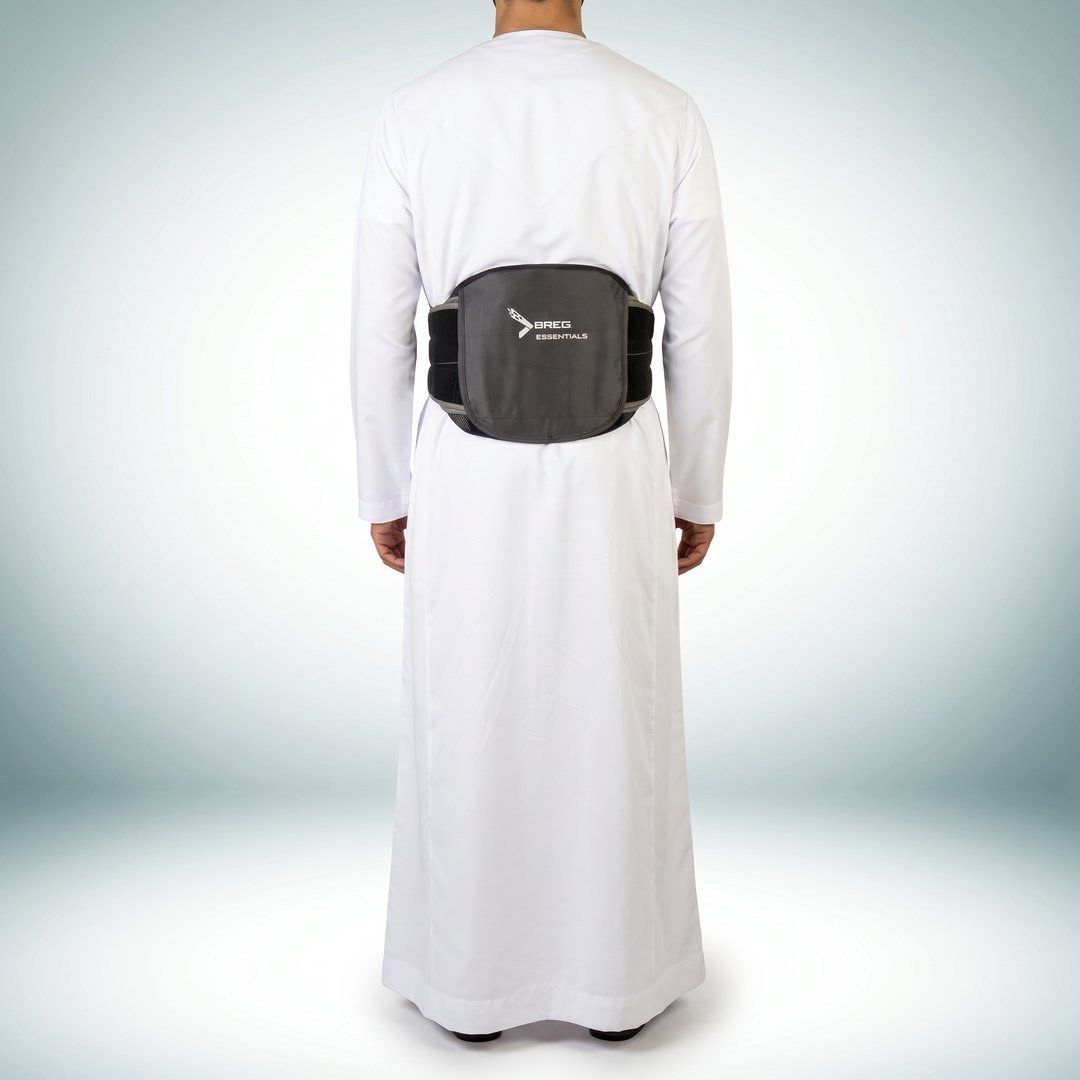
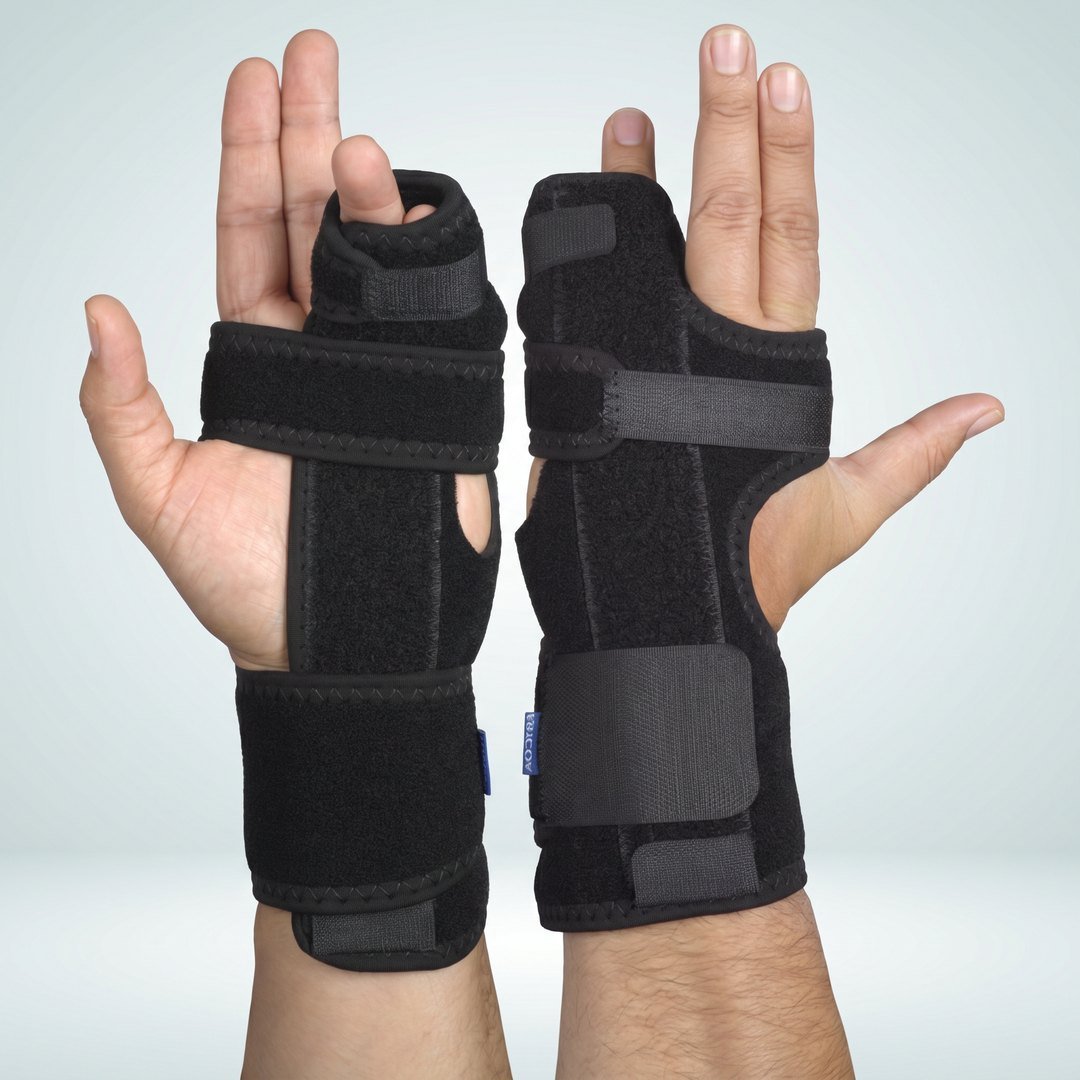
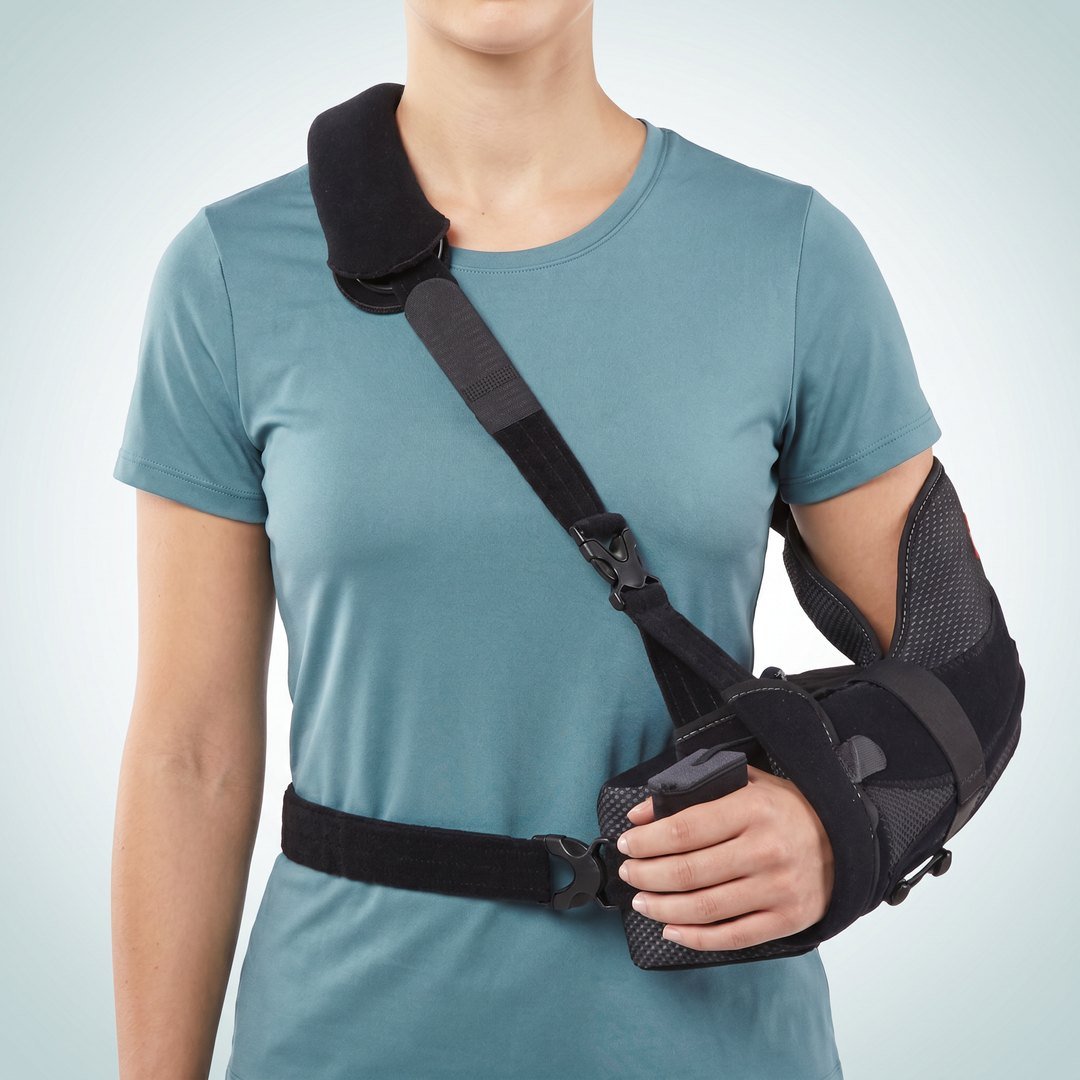
Properly selected and fitted braces that stabilise an injured or unstable joint, ease load and protect it while you heal and rebuild strength.
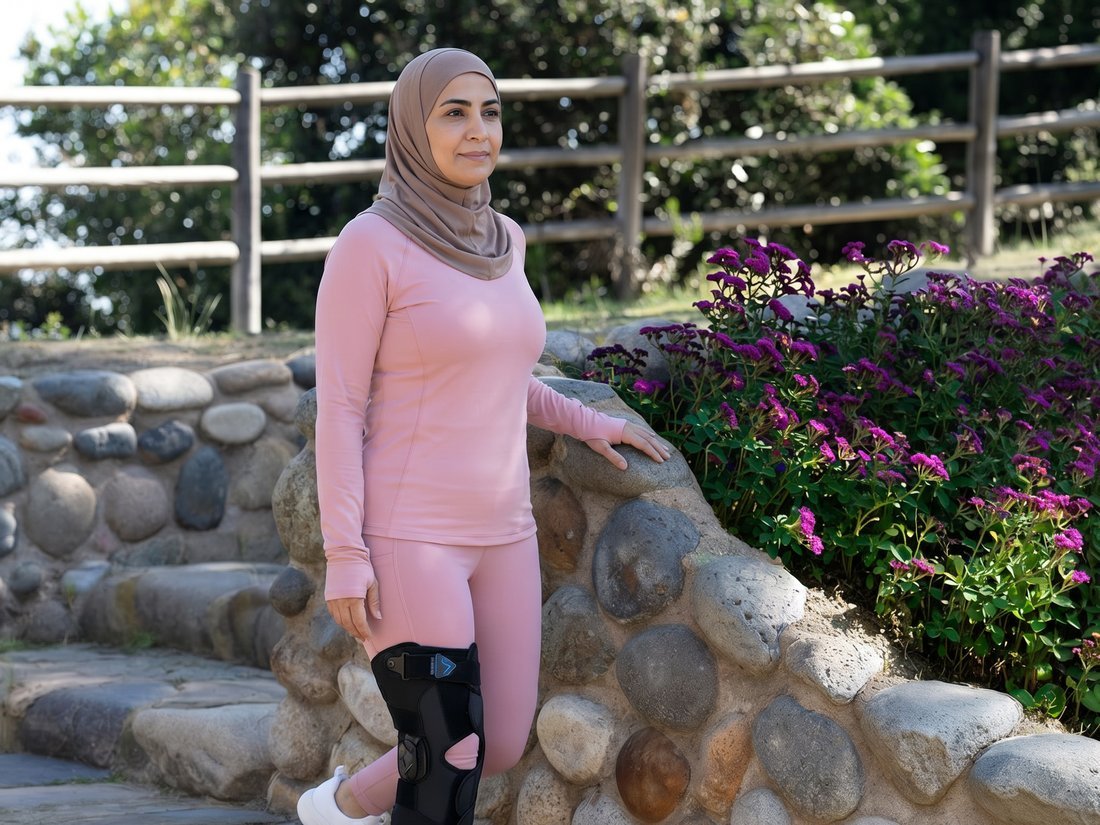
After an injury, or where a joint is unstable or overloaded, the right brace provides targeted support — limiting harmful movement while allowing safe motion. Used correctly, bracing protects healing tissue, reduces pain and gives you confidence to keep moving during rehabilitation.
Joint bracing can help with:
At CBP Precision Spine Center, your care is measured, corrective and guided by your clinician — never guesswork. Here is a closer look at the care behind the treatment.

We assess the joint and recommend the appropriate brace and fit for your needs — combined with rehabilitation so the joint regains strength and stability rather than relying on support indefinitely.
Knee braces are commonly used to support stability, alignment, and load distribution across the knee joint.
Lumbar braces are used to support the lower spine, promote postural awareness, and reduce excessive strain during movement.
Depending on clinical findings, bracing may also be recommended for:
Treatments are recommended only after assessment and tailored to the individual. Suitability and expected outcomes are discussed with your clinician.
Bracing is recommended when a joint needs external support while it heals or corrects: ligament injuries, unstable or arthritic knees, kneecap tracking problems, and joints being protected during return to sport or work. A brace is a tool within a plan — it buys the joint stability while rehabilitation rebuilds the internal support, not a substitute for that work.
Only if it is used as a permanent crutch without rehabilitation. Worn as prescribed — during loading activities, for a defined phase, alongside strengthening — bracing protects healing tissue without meaningful weakening. Our plans deliberately wean brace use as your strength and stability test results improve, so support shifts from the brace back to your own muscles.
Yes — unloader-style braces shift weight away from the worn compartment of an arthritic knee, often reducing pain during walking and standing noticeably. Combined with strengthening, weight management, and load-correcting care such as orthotics where the feet contribute, bracing can meaningfully delay the need for more invasive options.
The right brace depends on the diagnosis, not the shop shelf: a ligament injury, an arthritic compartment, and a tracking problem each need different designs and fit. We assess the joint, match the brace type to the actual problem, fit it properly, and set out when to wear it — because a well-chosen brace worn correctly outperforms an expensive one worn wrong.
It varies by purpose: post-injury protection may need weeks; support during a rehabilitation phase a few months; and some arthritic knees benefit from long-term use during demanding activity only. Your plan sets the wearing schedule and the criteria for reducing it, and we review at each stage so the brace never outlives its usefulness.
Book online in under a minute, or talk to a staff member now on WhatsApp — we'll help you find out whether this is right for you.