Inside therapeutic massage at CBP Precision Spine Center
At CBP Precision Spine Center, your care is measured, corrective and guided by your clinician — never guesswork. Here is a closer look at the care behind the treatment.
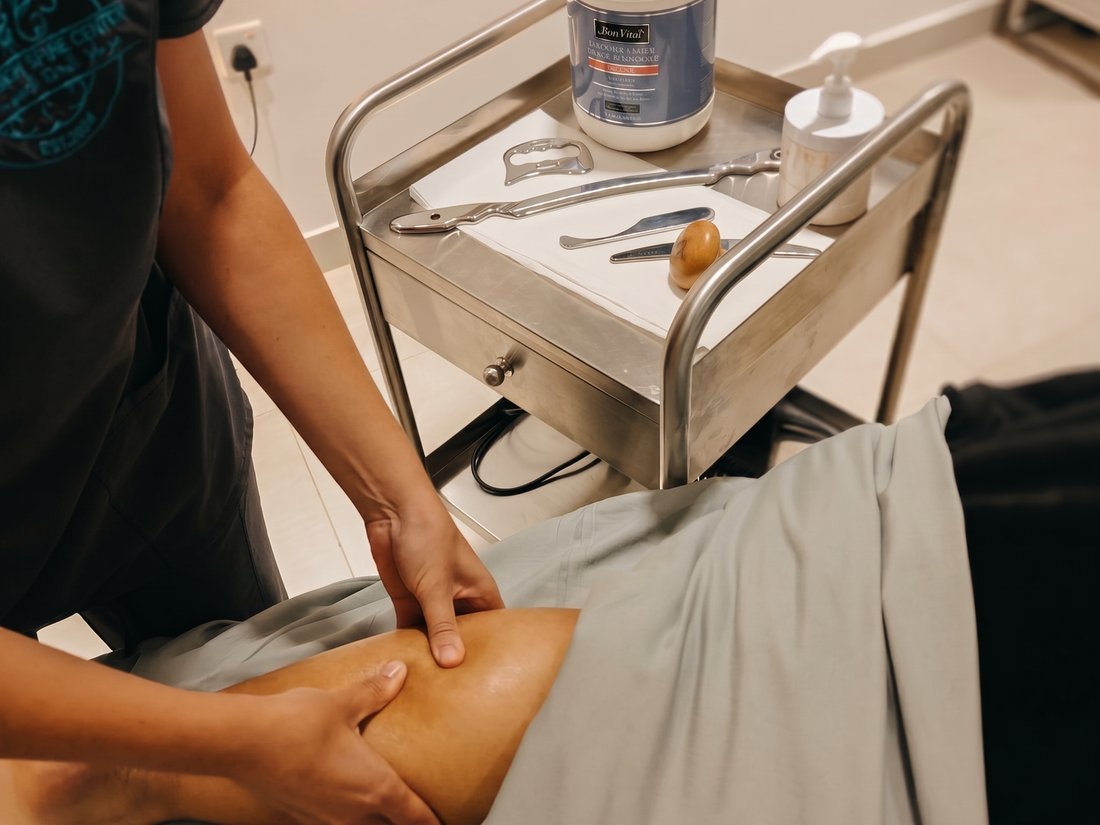

Targeted soft-tissue therapy that releases tight muscles, improves circulation and prepares the body to respond better to adjustments and rehabilitation.
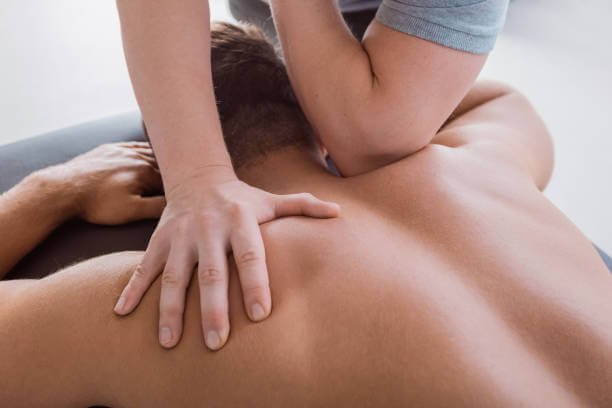
Therapeutic massage focuses on the muscles and connective tissue that influence your posture and pain. By releasing tension, breaking down adhesions and improving blood flow, it eases discomfort and helps the spine move more freely — making chiropractic and rehabilitation work more effective.
Therapeutic massage can help to:
At CBP Precision Spine Center, your care is measured, corrective and guided by your clinician — never guesswork. Here is a closer look at the care behind the treatment.

Sessions are tailored to your needs and findings rather than a one-size routine. Massage is often scheduled around your adjustments and rehabilitation so each part of your plan supports the others.
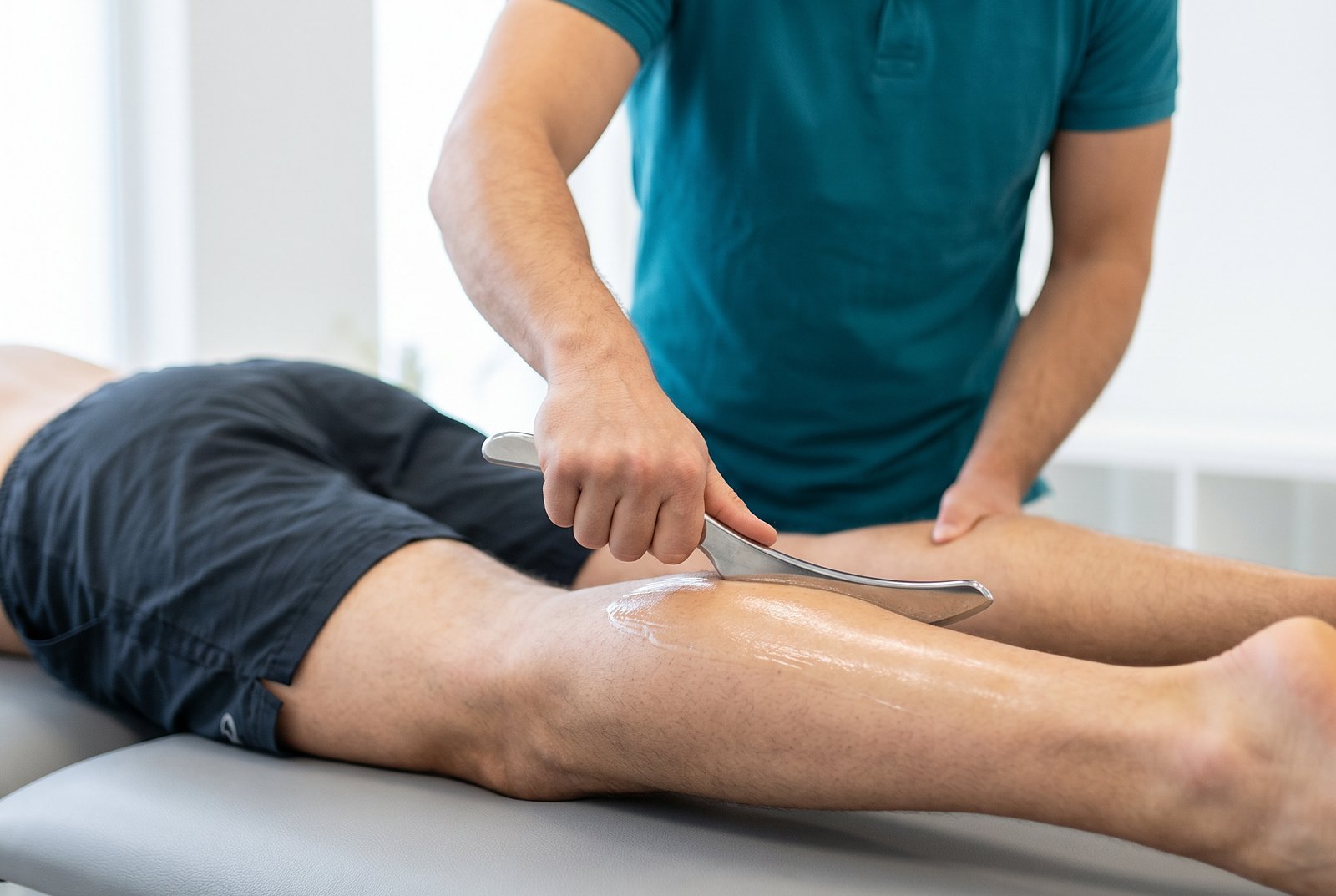
Treatments are recommended only after assessment and tailored to the individual. Suitability and expected outcomes are discussed with your clinician.
Therapeutic massage at our clinic is clinical soft-tissue treatment, not spa relaxation: targeted work on the specific muscles, fascia, and trigger points identified in your assessment. It reduces muscle guarding, improves circulation and tissue mobility, and prepares the body for structural correction — which is why it is prescribed as part of your care plan rather than booked as a standalone pampering session.
Purpose and precision. Spa massage aims at general relaxation; medical massage targets a clinical finding — a shortened muscle group, a trigger point referring pain, tissue restricting a joint's motion. It is performed based on assessment, integrated with your chiropractic and physiotherapy plan, and its results are checked against your progress markers.
Yes — for the muscular component. Tight, guarded muscles are both a cause and a consequence of spinal problems, and releasing them reduces pain and restores movement. But when the underlying issue is structural, massage alone gives temporary relief on a repeat cycle. Combining soft-tissue work with structural correction is what breaks that cycle.
No. Effective deep-tissue work can be intense, but pain that makes you tense up is counterproductive — a guarding muscle cannot release. Good clinical massage works at the depth your tissue accepts, communicates with you throughout, and leaves you looser rather than bruised. 'More pain, more gain' is a myth in soft-tissue treatment.
During active treatment, weekly or fortnightly sessions timed around your adjustments and rehabilitation typically work best. As your structure and movement improve, frequency drops — many patients move to monthly maintenance or only as needed. The schedule follows your measured progress rather than a fixed subscription.
Book online in under a minute, or talk to a staff member now on WhatsApp — we'll help you find out whether this is right for you.