Inside chiropractic care at CBP Precision Spine Center
Every adjustment is delivered as part of a measured, corrective plan — assessed, performed and reviewed by your clinician. Here is a closer look at the care behind the treatment.
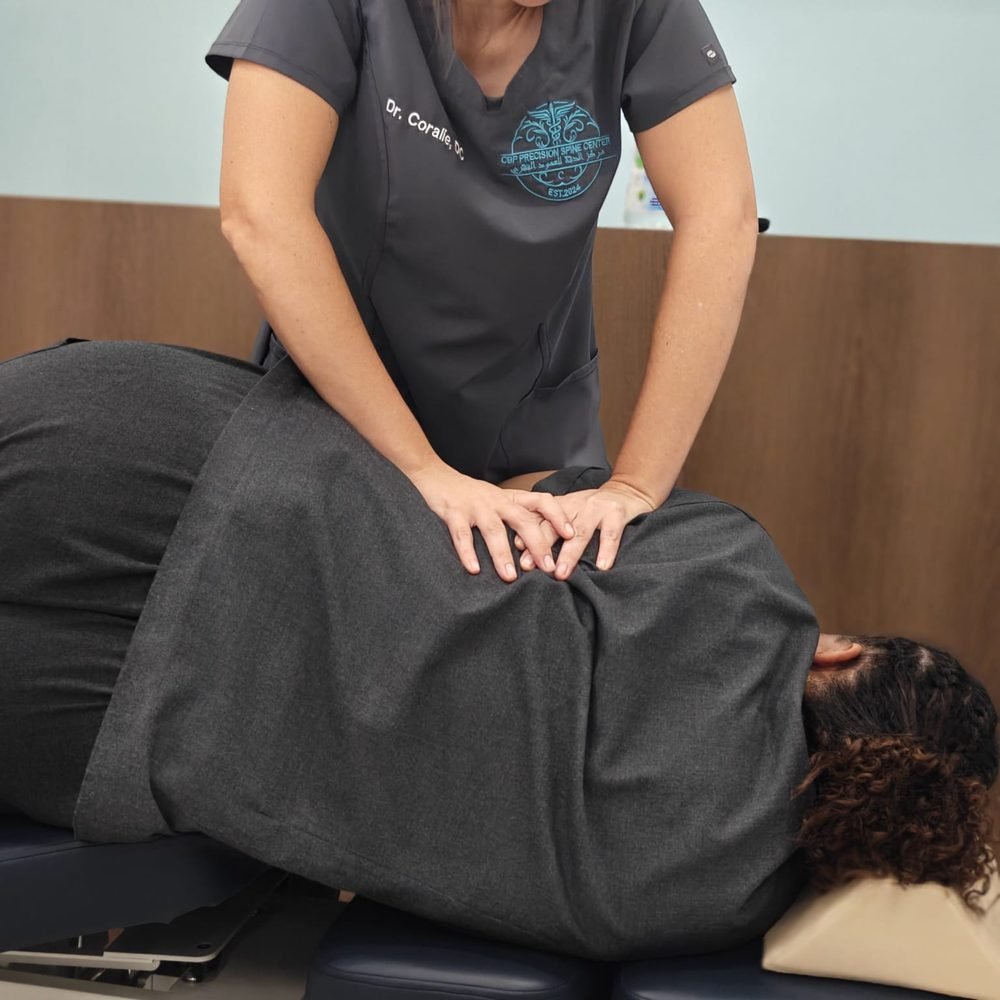
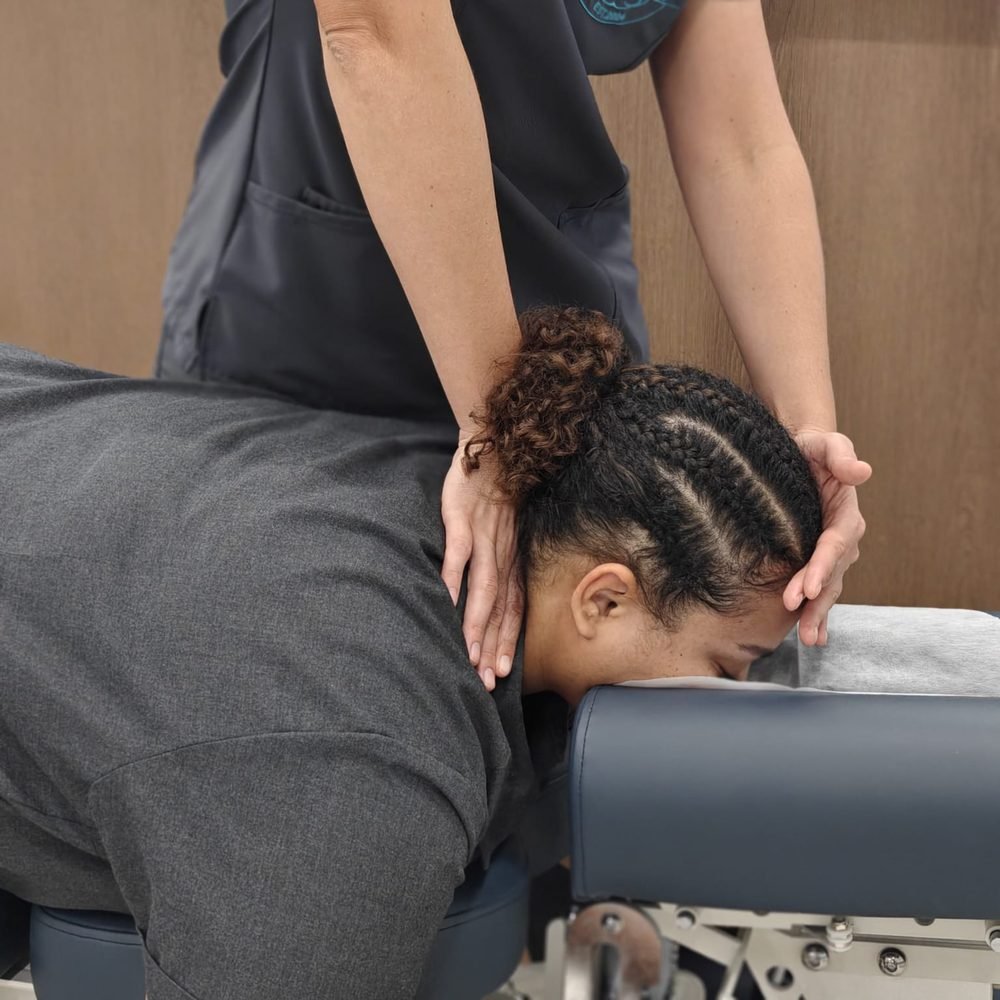
A precise, controlled movement applied to a specific spinal joint to restore motion, ease nerve irritation and support better alignment — delivered as part of a measured, corrective plan.
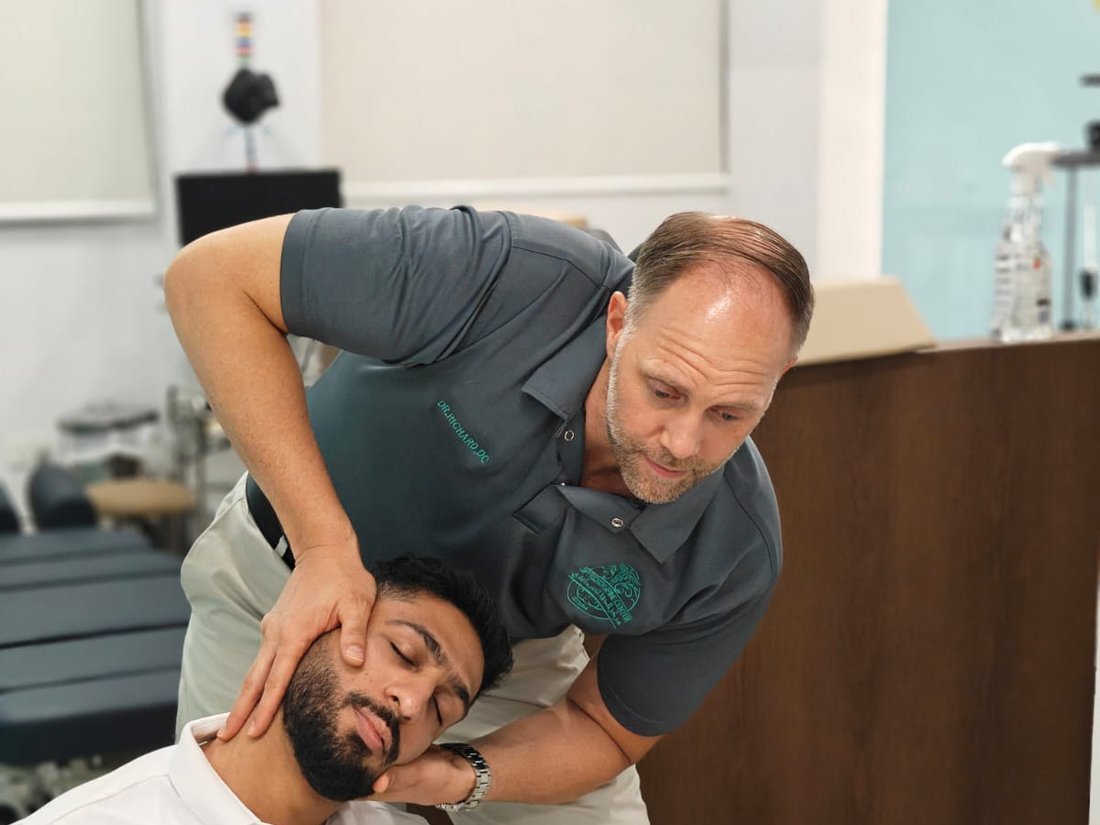
When spinal joints lose normal movement, the surrounding muscles, nerves and posture compensate. A chiropractic adjustment restores that movement with a specific, low-force input — reducing irritation and helping the spine work the way it should. At CBP Precision Spine Center, adjustments are guided by your measurements and X-ray findings rather than guesswork.
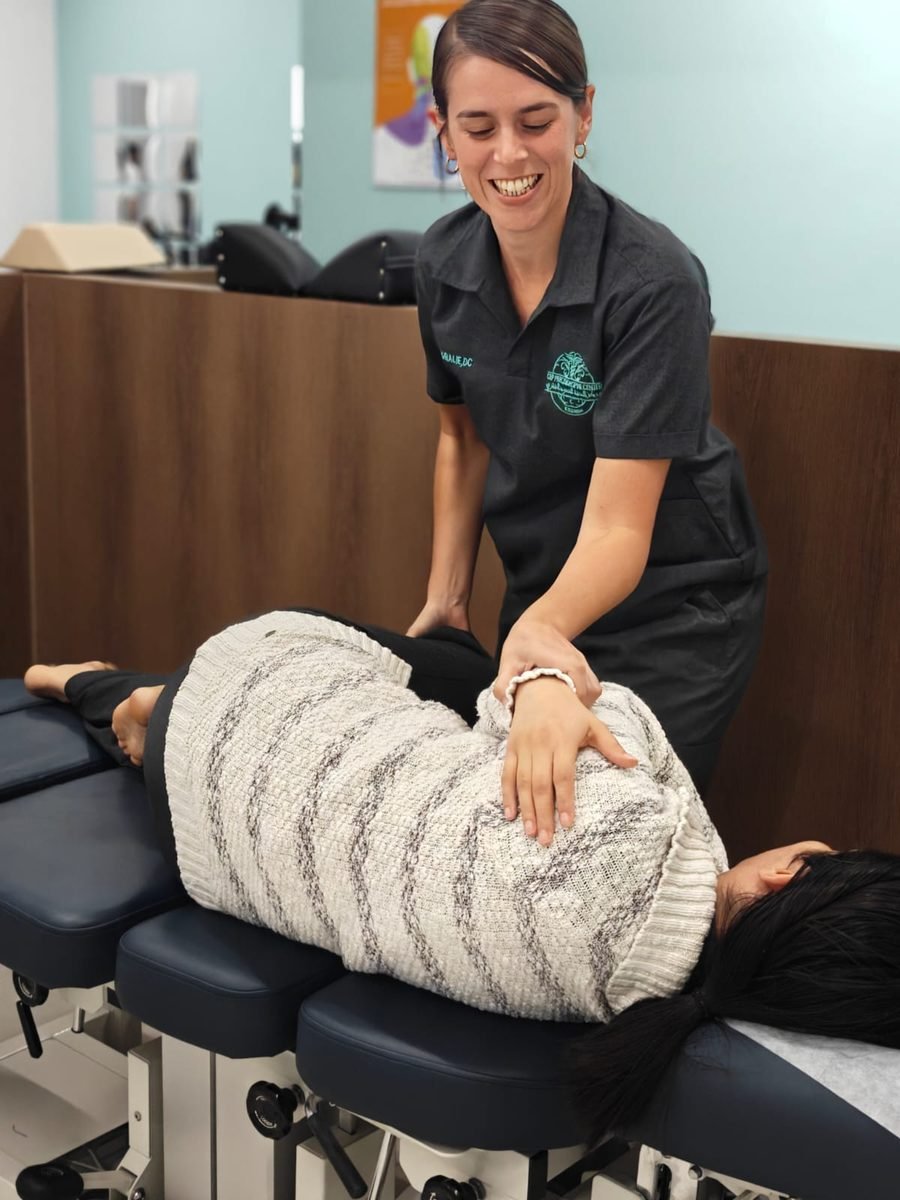
Most chiropractic care aims for short-term relief. At CBP Precision Spine Center, every adjustment is part of Chiropractic BioPhysics® (CBP®) — an evidence-based method that addresses the structure behind your symptoms rather than the symptoms alone. Care is led by Dr. Richard Marchetti, DC, the region's first Advanced Certified CBP® practitioner, and is guided by objective measurements and X-ray analysis so each adjustment is precise, appropriate and directed at a clear goal.
Instead of easing discomfort and waiting for it to return, CBP® combines specific manual adjustments with postural rehabilitation, corrective spinal traction and targeted exercise to improve the spine's alignment and biomechanics — care aimed at lasting change in how your spine moves, holds posture and supports your nervous system.
Adjustments are most effective as part of a structured plan. They can help to:
Every adjustment is delivered as part of a measured, corrective plan — assessed, performed and reviewed by your clinician. Here is a closer look at the care behind the treatment.
An active life in Muscat — long working hours, time on your feet, sport and the postural habits of modern life — adds steady load to the spine and nervous system. Within a structured care plan, regular adjustments can help in several ways:

Adjustments are rarely used on their own — they're combined with rehabilitation and CBP® corrective work and matched to your findings. As part of that plan, they commonly support people dealing with:
Your first visit begins with a thorough assessment — history, posture analysis and, where indicated, X-rays — so any adjustment is appropriate for you. Care is tailored to your age, comfort and findings, and is commonly combined with rehabilitation and CBP corrective work for longer-lasting change.
Treatments are recommended only after assessment and tailored to the individual. Suitability and expected outcomes are discussed with your clinician.
When performed after a thorough assessment by a qualified clinician, adjustments are widely considered safe. Care here follows history, posture analysis and — where indicated — X-rays, so any adjustment is appropriate for you, your age and your findings.
Most people feel little to no discomfort. Techniques are matched to your comfort and findings, and lower-force methods are used where appropriate. Many patients describe a sense of relief and easier movement afterward.
It depends on your condition, your goals and what your measurements show. Adjustments work best as part of a structured plan, and your clinician will discuss expected timelines and review progress with objective follow-up.
Treatments are recommended only after assessment and tailored to the individual. The best next step is a measured assessment — we'll explain your findings and whether this is a good fit before any care begins.
Book online in under a minute, or talk to a staff member now on WhatsApp — we'll help you find out whether this is right for you.