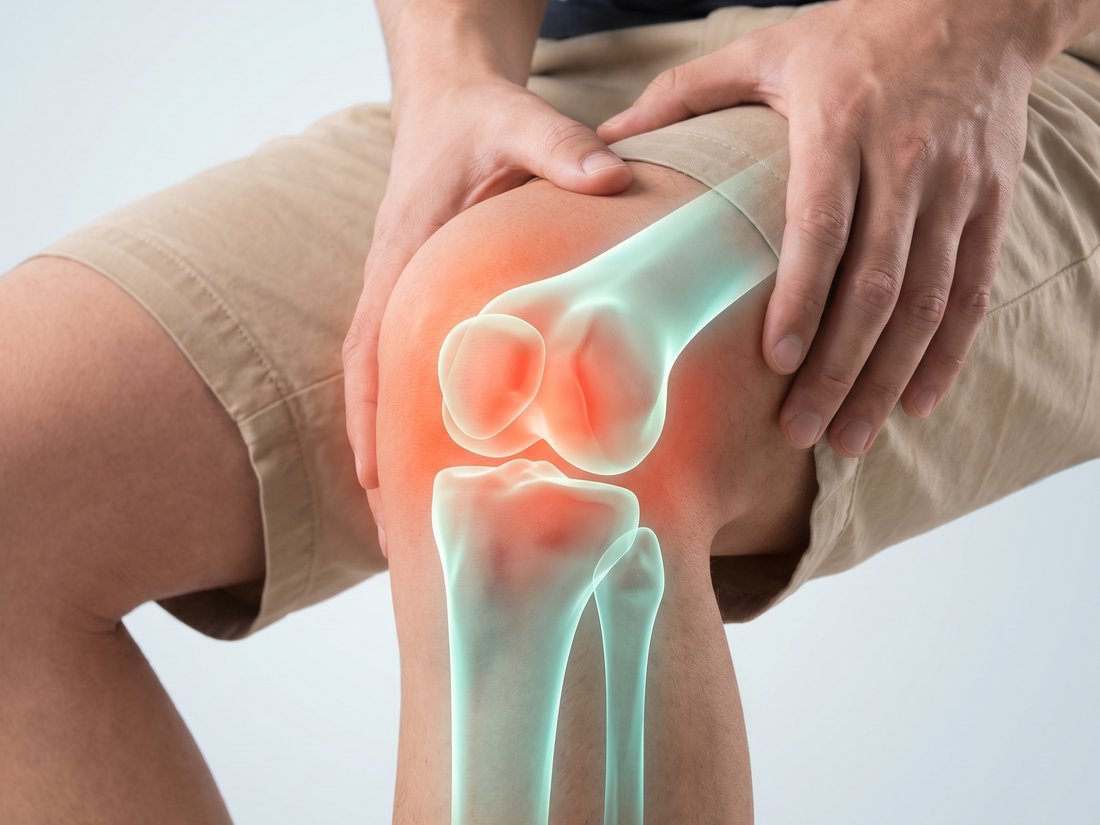
Knee pain is a common musculoskeletal condition that can affect people of all ages and activity levels — from athletes and runners to individuals with physically demanding jobs or age-related joint changes. Knee discomfort may develop suddenly after injury or gradually over time due to biomechanical stress, postural imbalances, or degenerative changes.
At CBP Precision Spine Center in Muscat, Oman, knee pain is evaluated as part of the entire movement system. Our clinical team, led by Dr. Richard Marchetti, DC, focuses not only on the knee itself, but also on how foot mechanics, spinal alignment, posture, and movement patterns contribute to knee strain and dysfunction.
Common Causes of Knee Pain
Knee pain can arise from a wide range of structural, functional, and biomechanical factors. Common causes include:
- Ligament or meniscal strain
- Patellofemoral pain (pain around or behind the kneecap)
- Tendon overuse or inflammation
- Degenerative joint changes (including osteoarthritis)
- Sports-related injuries and repetitive stress
- Poor foot mechanics, including flat feet or fallen arches
- Functional leg length imbalance
- Postural and spinal alignment issues affecting lower-body mechanics
Because the knee functions as part of a kinetic chain involving the feet, hips, pelvis, and spine, pain is often influenced by factors beyond the knee joint alone.
The knee rarely works alone. Flat feet, posture, and spinal alignment can all overload it — so we assess the whole chain, not just the joint.
CBP Precision Spine Center · Muscat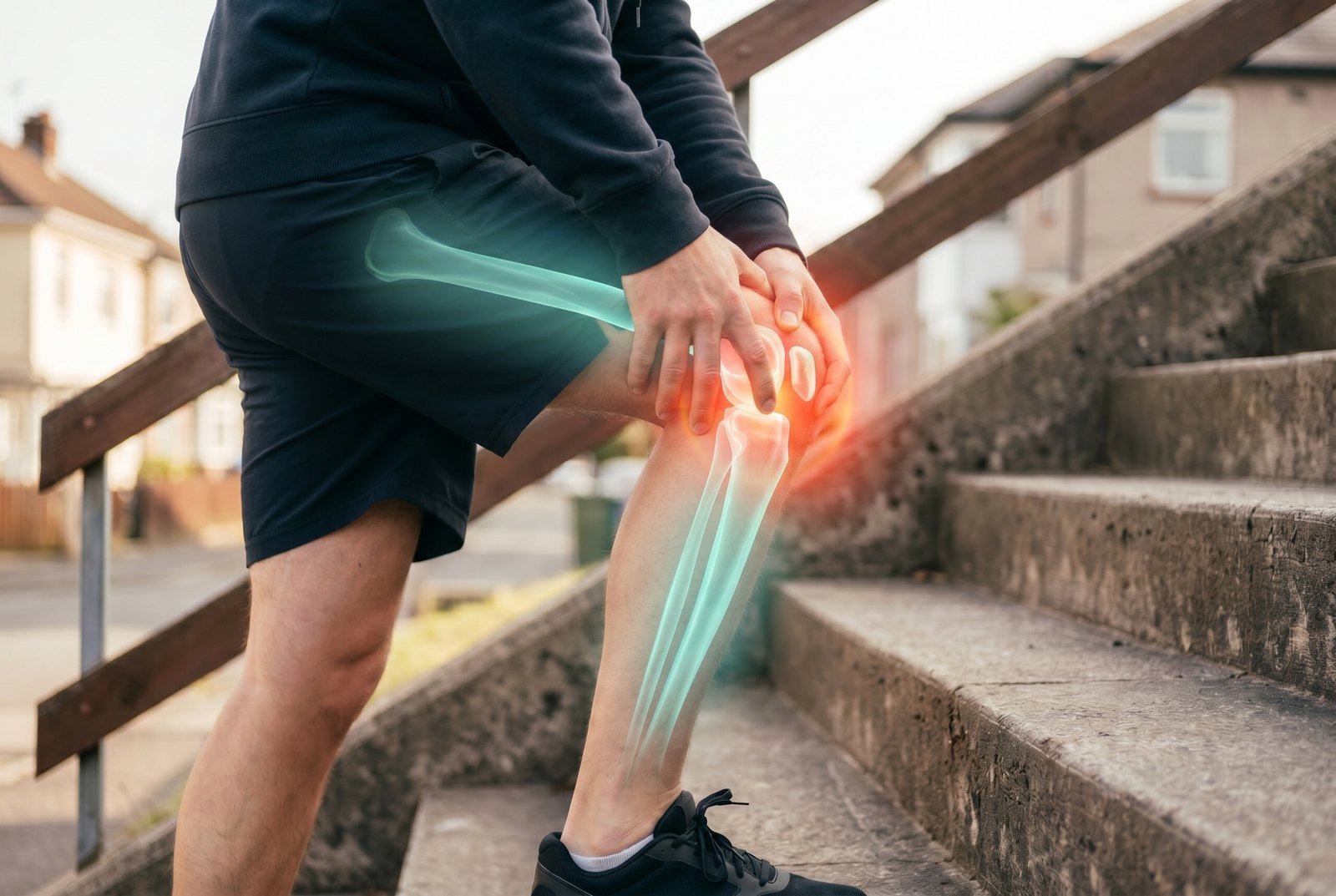
How Knee Pain Is Evaluated at CBP Precision Spine Center
Knee pain evaluation at CBP Precision Spine Center is designed to identify both the source of symptoms and the underlying contributors that affect movement and load distribution.
Assessment may include:
- Detailed clinical history and activity review
- Orthopedic and neurological testing
- Knee range-of-motion and stability assessment
- Postural and movement analysis
- Foot mechanics and gait evaluation
- Functional strength and balance testing
- Imaging review when clinically appropriate
This comprehensive assessment ensures care recommendations address the root cause rather than focusing solely on symptom location.
Knee Pain Care: A Comprehensive, Integrated Approach
At CBP Precision Spine Center, knee pain care is individualized and may include a combination of the following:
Chiropractic BioPhysics® (CBP)-Informed Care
CBP principles are used to assess how spinal alignment, posture, and lower-body biomechanics influence knee loading and movement efficiency. Correcting postural and structural imbalances may help reduce abnormal stress on the knee over time.
Physiotherapy and Rehabilitation
Targeted strengthening, mobility, and neuromuscular retraining programs are used to support joint stability, improve movement patterns, and restore functional confidence.
Custom Foot Orthotics (SoleSupports®)
When indicated, medical-grade custom orthotics may be prescribed to improve foot mechanics, enhance shock absorption, and reduce excessive stress transmitted to the knees during standing, walking, or running.
Supportive Modalities
Adjunctive therapies such as shockwave therapy or laser therapy may be incorporated when appropriate to support tissue recovery, circulation, and pain reduction.
When to Seek Evaluation for Knee Pain
A professional knee evaluation may be appropriate if you experience:
- Persistent or worsening knee pain
- Pain during walking, running, or climbing stairs
- Knee stiffness, instability, or swelling
- Reduced performance during sport or exercise
- Recurring pain despite rest or medication
Early evaluation allows for targeted care strategies that may help prevent progression and support long-term joint health.
ألم الركبة هو حالة شائعة تصيب الجهاز العضلي الهيكلي ويمكن أن تؤثر على الأشخاص من جميع الأعمار ومستويات النشاط، من الرياضيين والعدّائين إلى الأفراد الذين لديهم وظائف تتطلب مجهوداً بدنياً أو الذين يعانون من تغيّرات مفصلية مرتبطة بالعمر. وقد يظهر انزعاج الركبة فجأة بعد الإصابة أو يتطور تدريجياً مع مرور الوقت بسبب الإجهاد الميكانيكي الحيوي، أو عدم توازن الوضعية، أو التغيرات التنكسية.
في مركز CBP Precision Spine Center في مسقط، عُمان، يتم تقييم ألم الركبة كجزء من نظام الحركة بالكامل. ويركّز فريقنا الطبي، بقيادة الدكتور ريتشارد ماركيتي، طبيب الكايروبراكتيك، ليس فقط على الركبة نفسها، بل على كيفية مساهمة ميكانيكا القدم، ومحاذاة العمود الفقري، والوضعية، وأنماط الحركة في إجهاد الركبة وضعف وظائفها.
الأسباب الشائعة لآلام الركبة
يمكن أن تنشأ آلام الركبة من مجموعة واسعة من العوامل الهيكلية والوظيفية والميكانيكية الحيوية، وتشمل الأسباب الشائعة ما يلي:
- تمدد الأربطة أو الغضاريف الهلالية
- ألم الرضفة الفخذية (ألم حول أو خلف الرضفة)
- الإفراط في استخدام الأوتار أو الالتهاب
- التغيرات التنكسية في المفصل (بما في ذلك هشاشة العظام)
- الإصابات الرياضية والإجهاد المتكرر
- سوء ميكانيكا القدم، بما في ذلك القدم المسطحة أو الأقواس المنخفضة
- عدم توازن طول الساق الوظيفي
- مشكلات وضعية الجسم ومحاذاة العمود الفقري التي تؤثر على ميكانيكا الجزء السفلي من الجسم
ونظرًا لأن الركبة تعمل كجزء من سلسلة حركية تشمل القدمين والوركين والحوض والعمود الفقري، فإن الألم غالبًا ما يتأثر بعوامل تتجاوز مفصل الركبة وحده.
نادرًا ما تعمل الركبة بمفردها. فالقدم المسطحة والوضعية ومحاذاة العمود الفقري قد تُثقلها جميعًا — لذا نقيّم السلسلة بأكملها، لا المفصل وحده.
مركز الدقة للعمود الفقري · مسقطكيفية تقييم آلام الركبة في مركز CBP Precision Spine Center
تم تصميم تقييم آلام الركبة في المركز لتحديد كل من مصدر الأعراض والعوامل الأساسية التي تؤثر على الحركة وتوزيع الحِمل.
قد يشمل التقييم ما يلي:
- التاريخ الطبي المفصل ومراجعة الأنشطة
- الفحوصات العظمية والعصبية
- تقييم مدى الحركة واستقرار الركبة
- تحليل الوضعية والحركة
- تقييم ميكانيكا القدم وطريقة المشي
- اختبارات القوة الوظيفية والتوازن
- مراجعة التصوير عند الاقتضاء سريريًا
يضمن هذا التقييم الشامل أن تتناول توصيات الرعاية السبب الجذري، وليس التركيز فقط على موقع الأعراض.
العناية بألم الركبة باستخدام نهج شامل ومتكامل
في مركز CBP Precision Spine Center، تُصمَّم خطة علاج آلام الركبة لكل فرد، وقد تتضمن مزيجًا مما يلي:
الرعاية المستندة إلى منهج Chiropractic BioPhysics® (CBP)
تُستخدم مبادئ CBP لتقييم كيفية تأثير محاذاة العمود الفقري والوضعية الجسدية وميكانيكا الجسم السفلي على الحِمل الواقع على الركبة وكفاءة الحركة. وقد يُساعد تصحيح الاختلالات الوضعية والهيكلية في تقليل الضغط غير الطبيعي على الركبة بمرور الوقت.
العلاج الطبيعي وإعادة التأهيل
تُستخدم برامج التقوية المُستهدفة وتحسين المرونة وإعادة التدريب العصبي العضلي لدعم استقرار المفصل، وتحسين أنماط الحركة، واستعادة الثقة الوظيفية.
النعلات الطبية المخصصة (SoleSupports®)
عند الحاجة، قد يتم وصف نعلات طبية مخصصة عالية الجودة لتحسين ميكانيكا القدم، وتعزيز امتصاص الصدمات، وتقليل الضغط الزائد المنتقل إلى الركبتين أثناء الوقوف أو المشي أو الجري.
العلاجات المساندة
قد يتم دمج علاجات مساندة كالعلاج بموجات الصدمة أو العلاج بالليزر عند الاقتضاء، لدعم تعافي الأنسجة وتحسين الدورة الدموية وتخفيف الألم.
متى يجب طلب تقييم لألم الركبة
قد يكون من المناسب إجراء تقييم طبي للركبة إذا كنت تعاني من:
- ألم ركبة مستمر أو متزايد
- ألم أثناء المشي أو الجري أو صعود الدرج
- تيبّس الركبة أو عدم استقرارها أو تورمها
- تراجع الأداء أثناء ممارسة الرياضة أو التمارين
- تكرار الألم رغم الراحة أو استخدام الأدوية
يسمح التقييم المبكر بوضع استراتيجيات رعاية مستهدفة قد تساعد في منع التدهور ودعم صحة المفاصل على المدى الطويل.