Inside nutritional support at CBP Precision Spine Center
At CBP Precision Spine Center, your care is measured, corrective and guided by your clinician — never guesswork. Here is a closer look at the care behind the treatment.
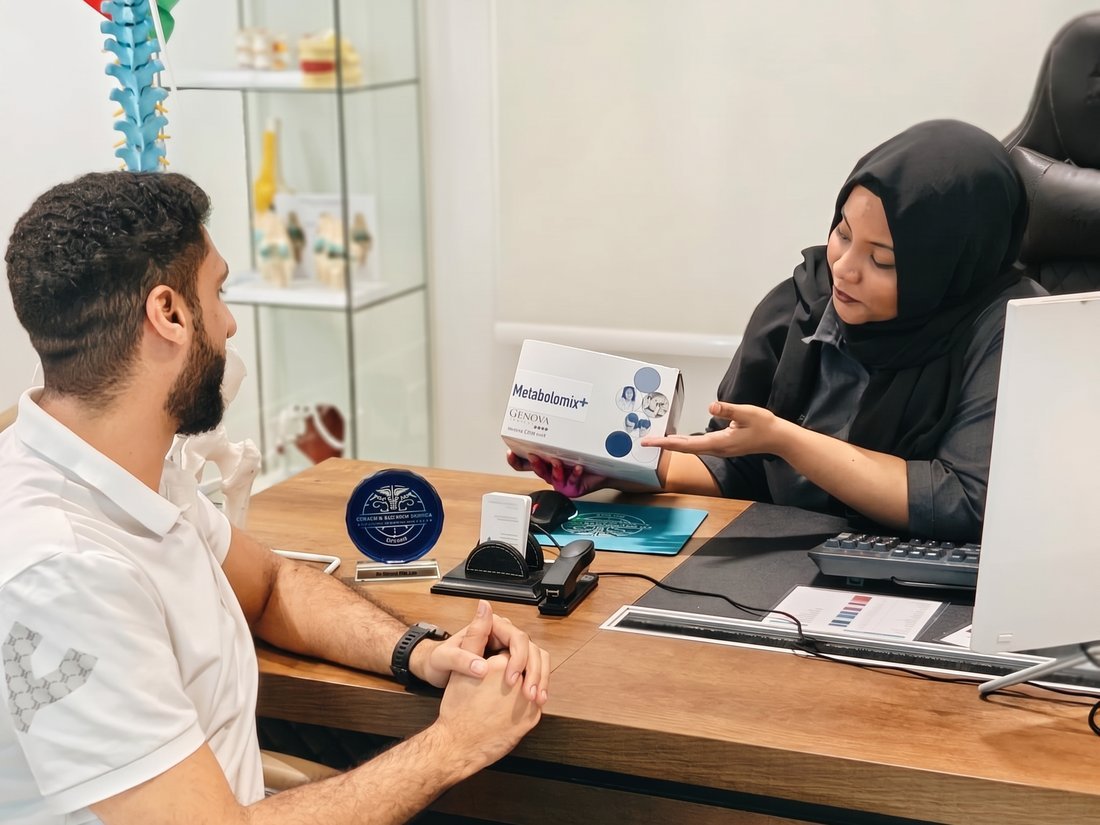
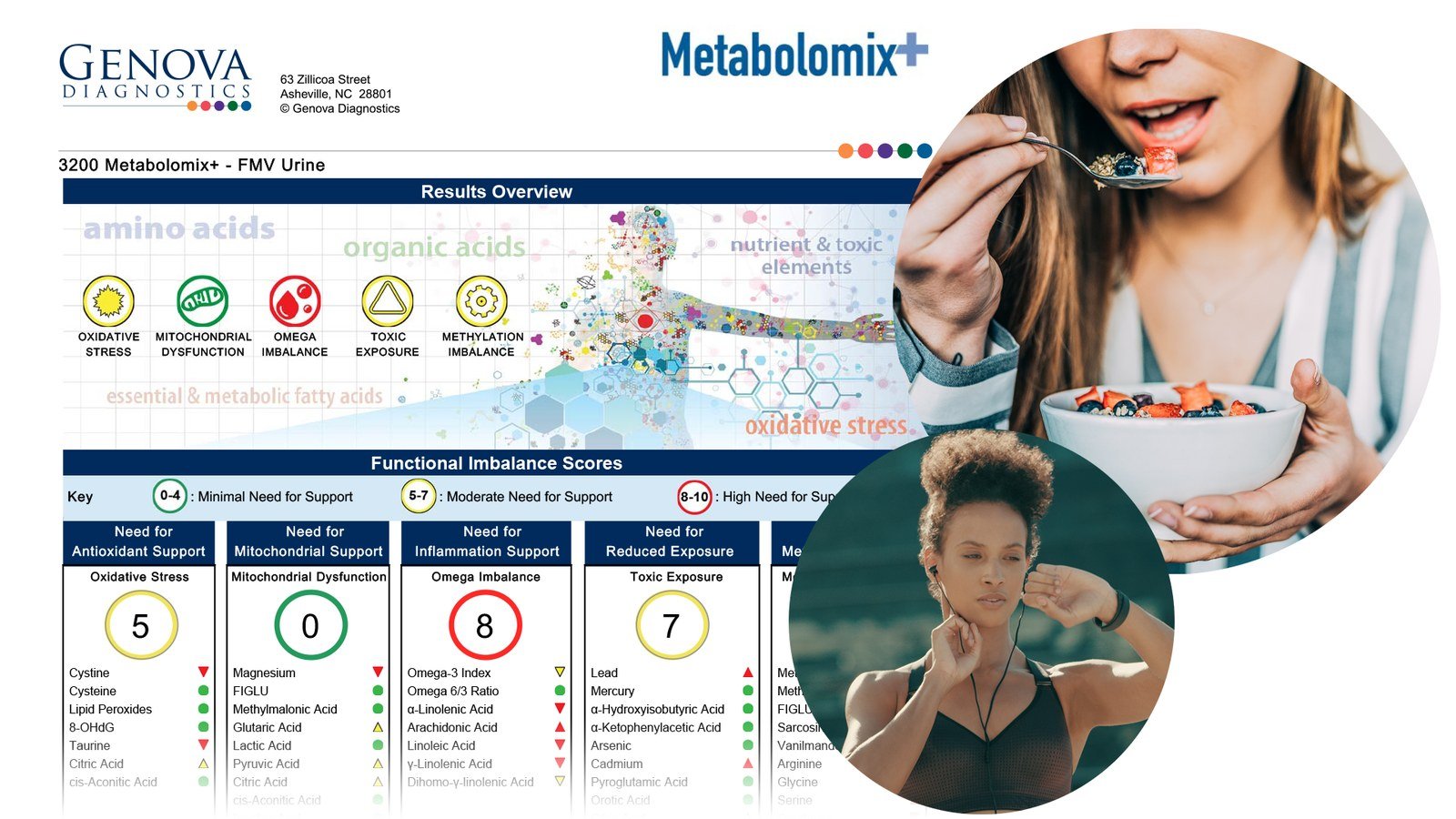
Practical, evidence-informed nutrition guidance that lowers inflammation and supports the bone, muscle and joint health your recovery depends on.

Healing tissue, strong bone and calm inflammation all depend on what your body has to work with. Targeted nutrition supports the repair that adjustments and rehabilitation set in motion, helps manage inflammatory pain, and gives your structural correction the best foundation to last.
Nutritional guidance can help to:
At CBP Precision Spine Center, your care is measured, corrective and guided by your clinician — never guesswork. Here is a closer look at the care behind the treatment.

Guidance is tailored to your health, goals and the demands of your recovery — realistic, sustainable changes rather than fad diets. It works alongside your hands-on care as one part of a whole-person approach to spinal health.
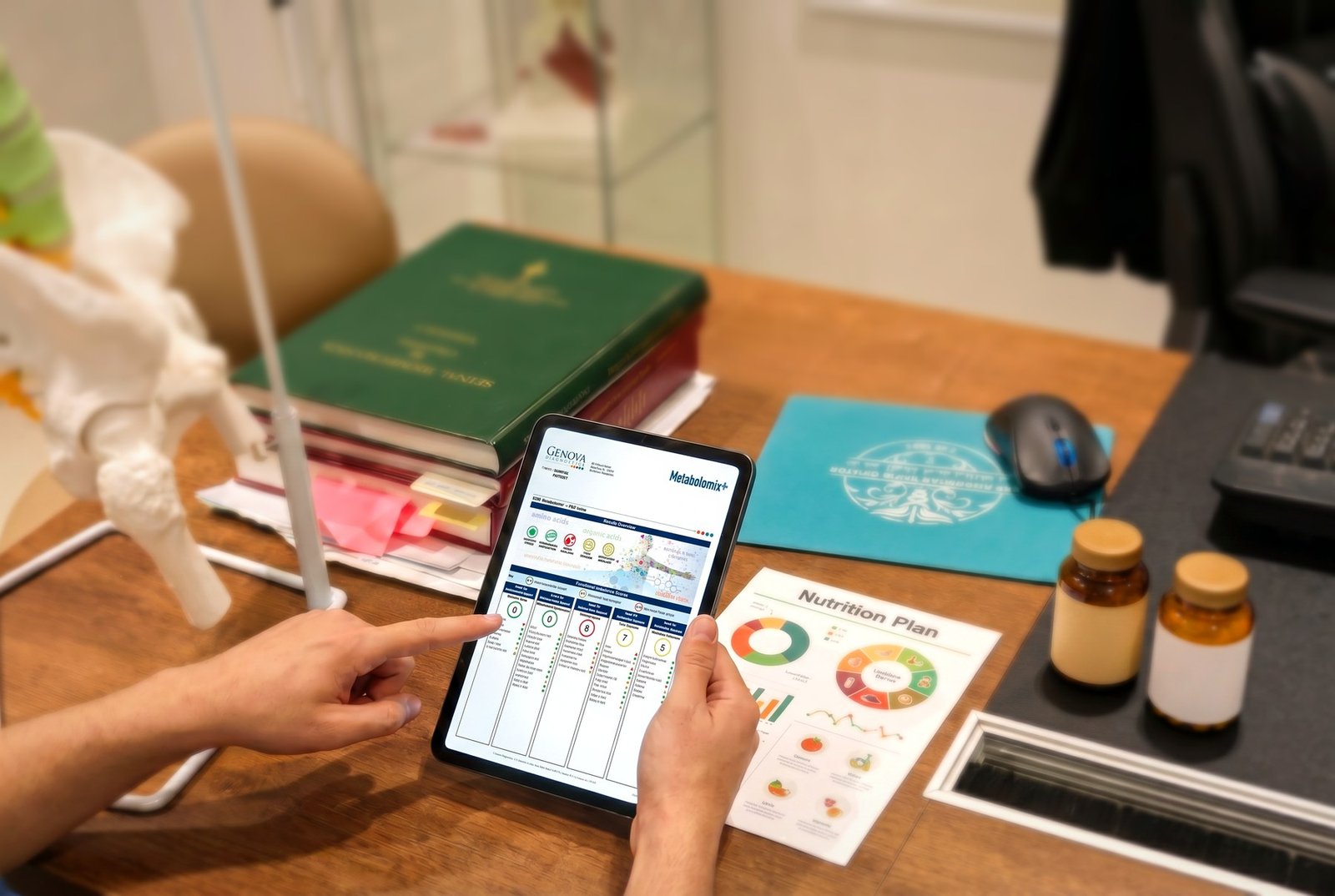
Treatments are recommended only after assessment and tailored to the individual. Suitability and expected outcomes are discussed with your clinician.
Tissue repair is built from what you eat: protein for muscle and tendon, vitamin D and minerals for bone, omega-3 fats to regulate inflammation. Chronic low-grade inflammation from a poor diet keeps pain sensitized and slows recovery. Nutritional support does not replace structural treatment — it removes the biochemical handbrake that stops structural treatment working at full speed.
Selectively, yes. Vitamin D where deficient (common in the Gulf despite the sunshine), omega-3s for inflammatory load, magnesium for muscle function, and collagen or glucosamine with modest evidence for joint comfort. What matters is matching supplements to your actual status — ideally guided by lab work — rather than taking a shelf of pills on faith.
The main culprits are the pro-inflammatory staples: sugary drinks and sweets, refined carbohydrates, deep-fried and heavily processed foods, and excessive processed meat. Replacing them with whole foods, vegetables, fish, olive oil, and nuts — an eating pattern close to the Mediterranean model — measurably lowers inflammatory markers in most people within weeks.
Substantially. Every extra kilogram adds roughly four kilograms of load through the knees on stairs, and abdominal weight shifts the spine's centre of gravity forward, straining the lower back. Even modest weight loss of 5–10% measurably reduces joint pain in most studies. We address it as one correctable load factor among several — practically and without judgment.
A structured review of your diet, relevant lab findings, and medications, followed by practical recommendations targeted at your recovery: anti-inflammatory eating adjustments, specific supplementation where your status justifies it, and hydration and habit changes that support tissue healing. It runs alongside your structural care plan so both are pulling in the same direction.
Book online in under a minute, or talk to a staff member now on WhatsApp — we'll help you find out whether this is right for you.