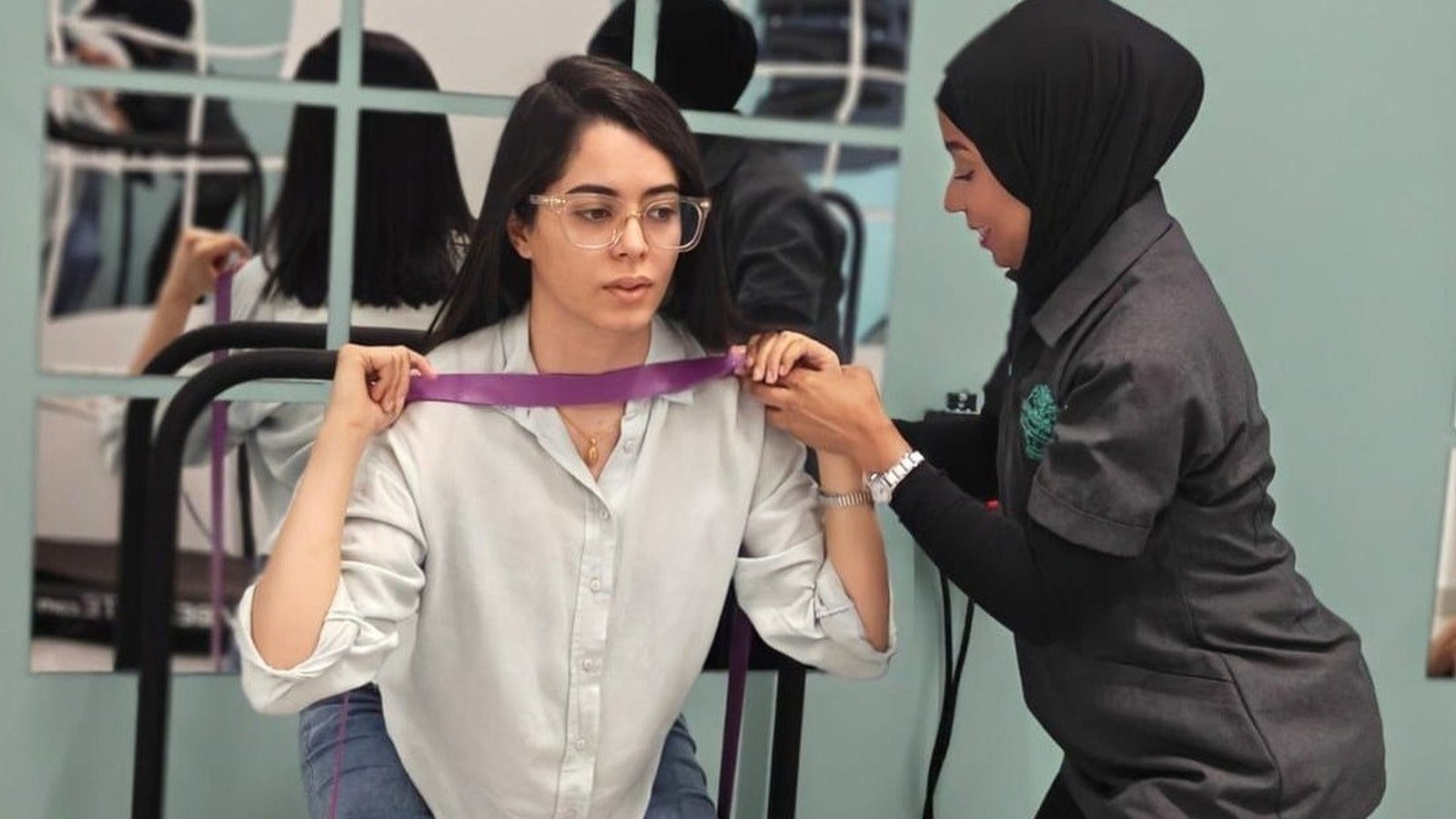
Most people arrive at rehabilitation by one of two routes. Some come after an operation or an injury, holding a discharge sheet that says "physiotherapy". Others come after months of back or neck pain that rest and painkillers have not settled.
Either way, the word "rehabilitation" covers a lot of ground, which makes it hard to know whether the programme you are offered is a good one. This guide explains what spinal rehabilitation actually involves, what a first assessment should look like, and the questions that tell you whether a plan is working.
What spinal rehabilitation is, and what it is not
Spinal rehabilitation, or back rehab as many people call it, is about getting back what you can do: sit through a working day, lift your child, sleep through the night, walk, drive or train again. Treatment that eases pain can help you get there, but pain relief on its own is not rehabilitation.
A good programme has three parts:
- An assessment that finds what is actually limiting you.
- Active work that you do yourself, in the clinic and at home, progressed as you improve.
- Re-measurement at agreed points, so both of you can see whether it is working.
Rehabilitation and chiropractic care are not an either-or choice. In our plans, adjustments restore motion, while physiotherapy and corrective exercise train the muscles and posture to hold that change.
Who spinal rehabilitation is for
- After spinal surgery or a significant injury. Rehabilitation works inside the limits your surgeon or doctor has set. Bring your discharge notes, and do not add exercises on your own before checking.
- Persistent back or neck pain. Pain that has lasted weeks or months, including pain that travels into the leg. See back pain, neck pain and sciatica.
- Pain that keeps coming back. If each episode settles and then returns, it is usually because nothing changed in between. We have written about why back pain returns.
- Scoliosis. Exercise-based rehabilitation is one part of scoliosis care, alongside bracing where it is indicated.
Warning signs: see a doctor before you start
Some symptoms need medical assessment first, not an exercise programme. Go to an emergency department the same day if you develop:
- new difficulty controlling your bladder or bowels;
- numbness around the groin, buttocks or inner thighs (the "saddle" area);
- weakness in one or both legs that is getting worse quickly.
These are among the signs the NHS lists as reasons to go to A&E with back pain, because they can mean pressure on the nerves at the base of the spine (cauda equina syndrome). See your doctor promptly, too, if back pain comes with a fever, unexplained weight loss, a history of cancer, or follows a serious fall or accident.
Your first rehabilitation assessment is mostly finding out
A proper first visit is mostly finding out, not treating. We explain why in Examine first, image second. Expect questions about when your symptoms began, what eases or worsens them, what they stop you doing, and any operations, medicines and scans you have had.
Then comes the examination. Each part is recorded so it can be taken again later in the same way:
| What is checked | Why it matters |
|---|---|
| Posture and spinal alignment | Measured, not eyeballed, so a later change can be seen. |
| Range of movement | How far each movement goes, and which one brings on your pain. |
| Strength and control | Whether muscles can hold a position, not just reach it. |
| Nerve function | Reflexes, sensation and muscle power, especially if pain travels into an arm or leg. |
| Everyday tasks | The sitting, lifting or walking you actually need to get back to. |
Imaging is used when the examination suggests it is needed. We do not take X-rays at the clinic: when standing X-rays are needed, we refer you for them and analyse the films here. Bring any reports or scans you already have.
You should leave knowing what was found and what the plan is aiming at.
What a plan can include, and why each part is there
The core of rehabilitation is active: corrective exercise chosen from your assessment, taught in the clinic and practised at home, then made harder as you improve. You should know exactly how to do each exercise, how often, and what to do if it increases your pain.
The evidence supports putting exercise first. NICE, which sets guidance for the NHS, recommends exercise for low back pain, and recommends hands-on treatment only alongside exercise, not on its own.
Around that core, a plan may add other treatments where the assessment supports them:
- chiropractic adjustment;
- spinal decompression;
- shockwave therapy or Class IV laser;
- ScoliBrace® bracing for scoliosis.
Each one should come with a stated reason. If nobody can tell you what a treatment is for, or how you will know whether to keep it, ask.
How to tell whether your rehab is working
Agree two or three goals in your own words at the start, such as "drive to Sohar without stopping" or "pick up my daughter". Then make sure there are numbers to go with them: the measurements from your first visit, taken again the same way at set points.
Recovery is rarely a straight line, and a bad week is not a failed plan. But if a review shows no change, the plan should change, or you should be referred on. A clinic that re-measures has to face a plan that is not working. One that does not can carry on indefinitely.
Questions to ask before you commit
- Who will assess me, and are they licensed to practise in Oman?
- What exactly will you measure, and when will you measure it again?
- What happens if those numbers have not changed?
- How will you work with my surgeon or doctor?
- What will I be doing at home, and for how long each day?
For more on judging a clinic before you start, read how to choose spine care in Muscat.
Frequently asked questions
What is spinal rehabilitation?
A planned programme to restore what you can do after spinal pain, injury or surgery. It combines an assessment, active exercise that you do in the clinic and at home, and re-measurement to check progress. Other treatments may be added where the assessment supports them.
Who is spinal rehabilitation for?
People recovering from spinal surgery or injury, people with persistent or recurring back or neck pain, including sciatica, and people with scoliosis. After surgery it always works within the limits your surgeon has set.
What happens at the first rehabilitation assessment?
Mostly assessment rather than treatment: questions about your symptoms and history, then posture, range of movement, strength and nerve checks, each recorded so it can be re-measured. X-rays are arranged only when the examination suggests they are needed.
Is rehabilitation the same as chiropractic care?
No, but they work together. Adjustments aim to restore motion; rehabilitation exercise trains the muscles and posture to hold that change. Your assessment decides which parts your plan needs.
How long does spinal rehabilitation take?
There is no single timetable. It depends on your condition, your goals and how you respond. A good plan sets review points from the start, so you can see whether it is working rather than committing to an open-ended course.
When should I see a doctor instead of starting rehabilitation?
Go to an emergency department the same day if you have new bladder or bowel control problems, numbness in the saddle area, or rapidly worsening leg weakness. See a doctor promptly if back pain comes with fever, unexplained weight loss, a history of cancer, or follows a serious accident.
If you would like your spine assessed and measured before you decide on a rehabilitation plan, book an assessment at CBP Precision Spine Center, 336 18th November Street, Azaiba. Call 7277 7796 or book online.
يصل معظم الناس إلى إعادة التأهيل من أحد طريقين. بعضهم يأتي بعد عملية جراحية أو إصابة، وفي يده ورقة خروج من المستشفى كُتب عليها «علاج طبيعي». وبعضهم يأتي بعد أشهر من ألم في الظهر أو الرقبة لم تُفلح الراحة ولا المسكّنات في تهدئته.
وفي الحالتين تتّسع كلمة «تأهيل» لأشياء كثيرة، فيصعب أن تعرف هل البرنامج المعروض عليك جيّد أم لا. يشرح هذا الدليل ما تتضمّنه إعادة تأهيل العمود الفقري فعلاً، وكيف يبدو التقييم الأول الصحيح، والأسئلة التي تكشف لك هل الخطة تنجح.
ما هو التأهيل وما ليس كذلك
التأهيل هدفه أن تستعيد ما تستطيع فعله: أن تجلس يوم عمل كاملاً، وأن تحمل طفلك، وأن تنام الليل كلّه، وأن تعود إلى المشي أو القيادة أو التمرين. العلاج الذي يخفّف الألم قد يساعدك في الطريق، لكنّ تخفيف الألم وحده ليس تأهيلاً.
البرنامج الجيّد له ثلاثة أركان:
- تقييم يحدّد ما الذي يقيّد حركتك فعلاً.
- عمل نشِط تؤدّيه بنفسك في المركز وفي البيت، ويتدرّج كلما تحسّنت.
- إعادة قياس في مواعيد متّفق عليها، ليرى كلاكما هل الخطة تنجح.
والتأهيل والعلاج بتقويم العمود الفقري ليسا خيارين متعارضين. في خططنا يعيد التقويم الحركة إلى المفاصل، بينما يدرّب العلاج الطبيعي والتمارين التصحيحية العضلات والقوام على الحفاظ على هذا التغيير.
لمن تناسب إعادة تأهيل العمود الفقري؟
- بعد جراحة في العمود الفقري أو إصابة كبيرة. يعمل التأهيل ضمن الحدود التي وضعها جرّاحك أو طبيبك. أحضر تقرير الخروج، ولا تُضِف تمارين من عندك قبل أن تسأل.
- ألم مستمر في الظهر أو الرقبة. ألم دام أسابيع أو أشهراً، ومنه الألم الذي يمتدّ إلى الساق. اطّلع على آلام الظهر وآلام الرقبة وعرق النسا.
- ألم يعود مرة بعد مرة. إذا كانت كل نوبة تهدأ ثم ترجع، فالسبب في الغالب أن شيئاً لم يتغيّر بينهما. كتبنا عن لماذا يعود ألم الظهر.
- الجنف. التأهيل بالتمارين جزء من علاج الجنف، إلى جانب الدعامة حين تكون مطلوبة.
علامات تحذيرية: راجع الطبيب قبل أن تبدأ
بعض الأعراض تحتاج إلى تقييم طبي أولاً، لا إلى برنامج تمارين. توجّه إلى قسم الطوارئ في اليوم نفسه إذا ظهر لديك:
- صعوبة جديدة في التحكّم بالمثانة أو الأمعاء؛
- خدر حول منطقة الأعضاء التناسلية أو الأرداف أو باطن الفخذين (منطقة «السَّرج»)؛
- ضعف في إحدى الساقين أو كلتيهما يزداد بسرعة.
فهذه من العلامات التي تعدّها هيئة الخدمات الصحية البريطانية (NHS) سبباً للتوجّه إلى الطوارئ مع ألم الظهر، لأنها قد تعني ضغطاً على الأعصاب في أسفل العمود الفقري (متلازمة ذيل الفرس). وراجع طبيبك سريعاً كذلك إذا صاحب ألمَ الظهر حمّى، أو نقص في الوزن بلا سبب، أو تاريخ إصابة بالسرطان، أو جاء بعد سقوط أو حادث شديد.
الزيارة الأولى تقييم في معظمها
الزيارة الأولى الصحيحة هي في معظمها تعرّف على حالتك، لا علاج. نشرح السبب في مقال الفحص أولاً ثم التصوير. توقّع أسئلة عن بداية الأعراض، وما يخفّفها وما يزيدها، وما الذي تمنعك من فعله، وأي عمليات أو أدوية أو صور أشعة سابقة.
ثم يأتي الفحص. يُسجَّل كل جزء منه ليُعاد قياسه لاحقاً بالطريقة نفسها:
| ما الذي يُفحص | لماذا يهمّ |
|---|---|
| القوام واستقامة العمود الفقري | يُقاس ولا يُقدَّر بالعين، حتى يظهر أي تغيّر لاحقاً. |
| مدى الحركة | إلى أي حدّ تصل كل حركة، وأيّها تُثير ألمك. |
| القوة والتحكّم | هل تستطيع العضلات أن تثبّت الوضعية، لا أن تبلغها فقط. |
| وظيفة الأعصاب | المنعكسات والإحساس وقوة العضلات، خاصة إذا امتدّ الألم إلى الذراع أو الساق. |
| المهام اليومية | الجلوس أو الحمل أو المشي الذي تحتاج فعلاً إلى العودة إليه. |
ويُلجأ إلى التصوير حين يشير الفحص إلى الحاجة إليه. لا نُجري صور الأشعة في المركز: عندما تلزم صور أشعة وأنت واقف نحيلك لإجرائها، ثم نحلّلها هنا. أحضر معك أي تقارير أو صور سابقة.
ويجب أن تغادر وأنت تعرف ما الذي وُجد، وما الذي تهدف إليه الخطة.
ماذا قد تتضمّن الخطة: من العلاج الطبيعي للظهر إلى غيره
جوهر التأهيل نشِط، وهو ما يقصده كثيرون حين يبحثون عن «علاج طبيعي للظهر» أو «علاج طبيعي للرقبة»: تمارين تصحيحية تُختار بناءً على تقييمك، تتعلّمها في المركز وتؤدّيها في البيت، ثم تزداد صعوبتها كلما تحسّنت. يجب أن تعرف بدقّة كيف تؤدّي كل تمرين، وكم مرة، وماذا تفعل إذا زاد ألمك.
والأدلّة تؤيّد تقديم التمارين أولاً. فالمعهد الوطني للصحة والرعاية المتميّزة في بريطانيا (NICE)، الذي يضع إرشادات هيئة الخدمات الصحية البريطانية، يوصي بالتمارين لآلام أسفل الظهر، ولا يوصي بالعلاج اليدوي إلا مصاحباً للتمارين، لا بديلاً عنها.
وحول هذا الجوهر قد تضيف الخطة علاجات أخرى حين يؤيّدها التقييم:
- تقويم العمود الفقري؛
- تخفيف الضغط على العمود الفقري؛
- العلاج بالموجات الصادمة أو ليزر الفئة الرابعة؛
- دعامة ScoliBrace® للجنف.
ويجب أن يأتي كل علاج منها بسبب واضح. فإن لم يستطع أحد أن يقول لك ما الغرض من العلاج، أو كيف ستعرف هل تستمرّ فيه، فاسأل.
كيف تعرف أن تأهيل عمودك الفقري ينجح؟
اتّفق في البداية على هدفين أو ثلاثة بكلماتك أنت، مثل «أن أقود إلى صحار دون توقّف» أو «أن أحمل ابنتي». ثم تأكّد أن معها أرقاماً: قياسات زيارتك الأولى، تُعاد بالطريقة نفسها في مواعيد محدّدة.
نادراً ما يسير التعافي في خطّ مستقيم، والأسبوع السيّئ لا يعني أن الخطة فشلت. لكن إذا لم تُظهر المراجعة أي تغيير، فيجب أن تتغيّر الخطة، أو أن تُحال إلى جهة أخرى. المركز الذي يعيد القياس مضطرّ إلى مواجهة خطة لا تنجح، أمّا الذي لا يقيس فيمكنه أن يستمرّ بلا نهاية.
أسئلة تطرحها قبل أن تلتزم
- من سيقيّم حالتي، وهل هو مرخّص لمزاولة المهنة في عُمان؟
- ما الذي ستقيسونه بالضبط، ومتى ستعيدون قياسه؟
- ماذا يحدث إذا لم تتغيّر هذه الأرقام؟
- كيف ستتعاونون مع جرّاحي أو طبيبي؟
- ما الذي سأفعله في البيت، وكم من الوقت كل يوم؟
ولمعرفة المزيد عن تقييم المركز قبل أن تبدأ، اقرأ كيف تختار رعاية العمود الفقري في مسقط.
الأسئلة الشائعة
ما هي إعادة تأهيل العمود الفقري؟
برنامج مخطّط لاستعادة ما تستطيع فعله بعد ألم في العمود الفقري أو إصابة أو جراحة. يجمع بين التقييم، والتمارين النشطة التي تؤدّيها في المركز وفي البيت، وإعادة القياس لمتابعة التقدّم. وقد تُضاف علاجات أخرى حين يؤيّدها التقييم.
لمن تناسب إعادة تأهيل العمود الفقري؟
للمتعافين من جراحة أو إصابة في العمود الفقري، ولمن يعانون ألماً مستمراً أو متكرّراً في الظهر أو الرقبة، ومنه عرق النسا، ولمن لديهم جنف. وبعد الجراحة يعمل التأهيل دائماً ضمن الحدود التي وضعها الجرّاح.
ماذا يحدث في تقييم التأهيل الأول؟
هو تقييم في معظمه لا علاج: أسئلة عن أعراضك وتاريخك الصحي، ثم فحص القوام ومدى الحركة والقوة والأعصاب، ويُسجَّل كل ذلك ليُعاد قياسه. ولا تُطلب صور الأشعة إلا حين يشير الفحص إلى الحاجة إليها.
هل التأهيل هو نفسه العلاج بتقويم العمود الفقري؟
لا، لكنهما يعملان معاً. يهدف التقويم إلى إعادة الحركة، بينما تدرّب تمارين التأهيل العضلات والقوام على الحفاظ على هذا التغيير. وتقييمك هو الذي يحدّد ما تحتاجه خطتك منهما.
كم تستغرق إعادة تأهيل العمود الفقري؟
لا يوجد جدول زمني واحد للجميع، فالمدّة تتوقّف على حالتك وأهدافك واستجابتك. والخطة الجيّدة تحدّد مواعيد للمراجعة من البداية، لترى هل تنجح بدل أن تلتزم ببرنامج مفتوح بلا نهاية.
متى يجب أن أراجع الطبيب بدل أن أبدأ التأهيل؟
توجّه إلى الطوارئ في اليوم نفسه إذا ظهرت مشكلة جديدة في التحكّم بالمثانة أو الأمعاء، أو خدر في منطقة السَّرج، أو ضعف في الساق يزداد بسرعة. وراجع الطبيب سريعاً إذا صاحب ألمَ الظهر حمّى أو نقص في الوزن بلا سبب أو تاريخ إصابة بالسرطان، أو جاء بعد حادث شديد.
إذا أردت أن يُقيَّم عمودك الفقري ويُقاس قبل أن تقرّر خطة التأهيل، احجز تقييماً في مركز الدقة للعمود الفقري، 336 شارع 18 نوفمبر، العذيبة. اتصل على 7277 7796 أو احجز عبر الإنترنت.