If you are looking for someone to treat your back or your neck in Muscat, the hardest part is not finding a clinic. It is working out which one is any good.
Every website says the same things. Experienced team. Personalised care. Latest technology. None of it is checkable, and none of it tells you what will actually happen when you walk in.
So here is a more useful list: six things a competent structural practitioner does, each of which you can check for yourself — before you commit to anything.
The sign on the door tells you very little
Titles and technique names are not qualifications. A clinic can name a method on its website because one person attended a weekend seminar on it, and nothing about that is dishonest — it is simply much less than most people assume when they read it.
The same goes the other way. Plenty of excellent practitioners do not advertise a branded technique at all. What distinguishes good structural care is not the name of the method; it is whether anybody is measuring anything.
They examine you before they treat you
This is the single most reliable signal, and it is the easiest to observe.
A proper first visit is mostly assessment. Posture and gait. How far each movement goes, and which one reproduces your pain. Reflexes, muscle strength, sensation. What you can actually do. It takes time, and you should leave it knowing what was found.
What should worry you is treatment that starts before any of that happens. We have written separately about why the examination has to come before the imaging, and the same logic applies even harder to treatment: you cannot sensibly fix something nobody has characterised.
They measure, and then they measure again
Ask how progress will be judged. If the answer is "we will see how you feel," you have no way of knowing whether anything changed beyond your memory of last month, which is unreliable in both directions.
Measurement means numbers recorded at the start that can be taken again later in the same way — range of motion in degrees, a neurological grade, a posture or alignment measurement, a function score. It is what turns "I think it is a bit better" into something either of you can check.
It also protects you. A practitioner who re-measures has to confront a plan that is not working. One who does not can continue indefinitely.
Their credentials can be checked, not just claimed
There is a difference between a qualification someone tells you about and one you can verify.
Two separate things are worth asking about. The first is the licence to practise — in Oman, a current licence from the health authorities. That is not optional and you may ask to see it. The second is any technique certification, which says what the person has trained in beyond their degree.
For certifications, the question that matters is: is there a public register? Genuine ones almost always have one.
Chiropractic BioPhysics is a useful example because its register is public. Full CBP certification means completing the technique seminar series and passing both a written and a practical examination — not attending a seminar or two. There are two levels, General (Basic) and Advanced, and CBP publishes who holds them:

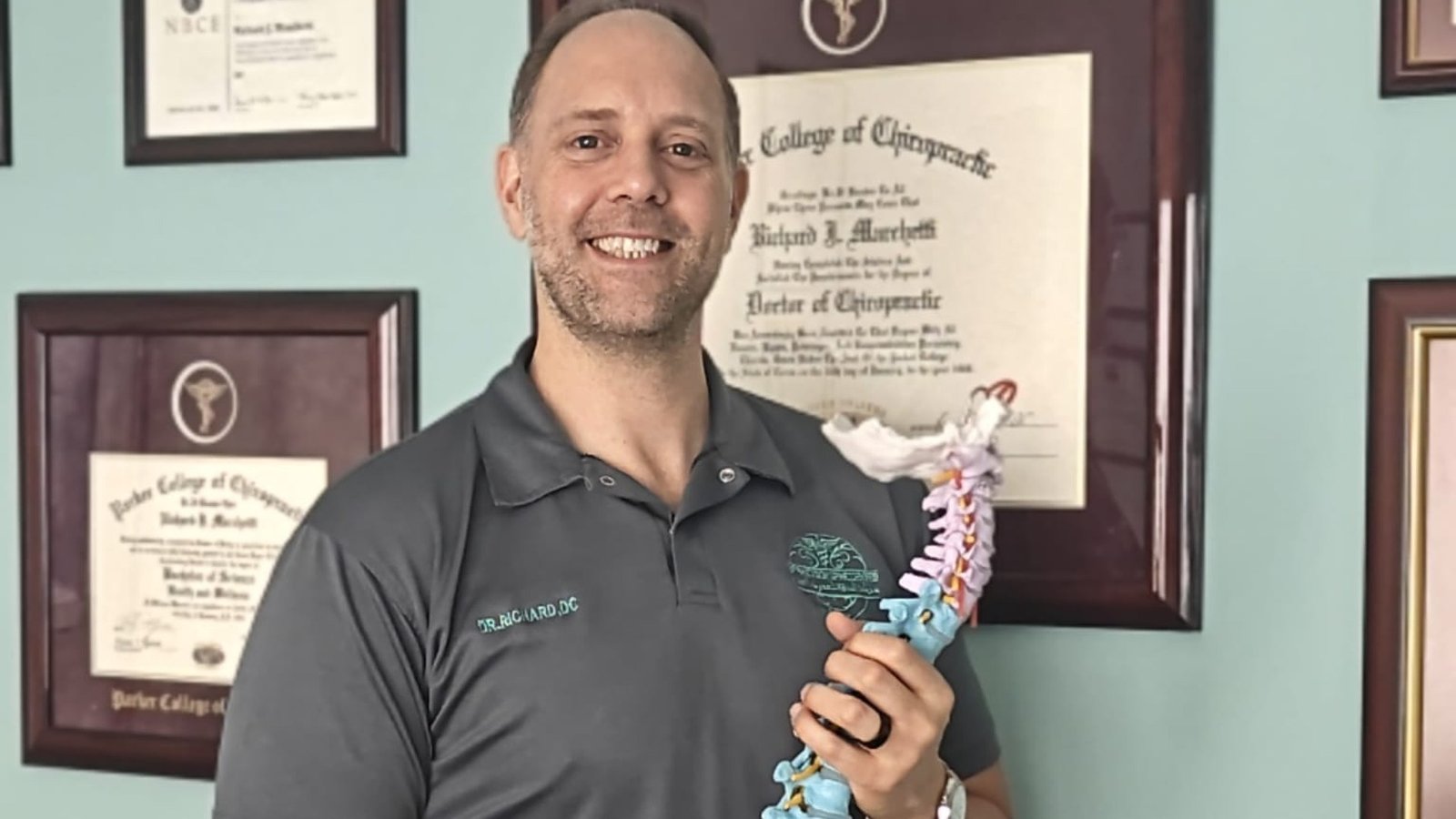
Dr. Richard Marchetti, our clinical director, holds both Basic and Advanced CBP Certification, and you are welcome to see the certificates at your first visit. More on what that involves is on our about page, and on the method itself on our Chiropractic BioPhysics page.
The broader point is not about CBP. It is that "trained in X" and "certified in X" are different claims, honest clinics will tell you which one applies to them, and a register lets you check without taking anyone's word for it.
They tell you when you are not the right patient
This one is counter-intuitive, and it is probably the strongest signal of the six.
Every form of care has people it does not suit. Some findings need urgent medical assessment rather than a course of treatment — progressive weakness, loss of bladder or bowel control, suspicion of infection, fracture or cancer. Some conditions need a surgical opinion. Some patients have contraindications to a specific technique.
A practitioner who never refers anybody out is not treating a healthier population than everyone else. Ask directly: what would make you tell me this is not for me? A good answer is specific and comes quickly.
They can explain what they found without the jargon
You should leave an assessment able to describe your own problem to someone else in a sentence or two. Not the Latin — the actual situation, and why the plan follows from it.
Being shown your own images and measurements and talked through them is part of this. So is being told what is uncertain. "I am not sure yet, so here is what we will do to find out" is a better answer than fluent confidence about everything.
The plan has an end
Ask three things: how long, how will we know it is working, and what happens if it is not.
A plan should have a defined review point — a date or a number of visits at which the measurements are repeated and the approach is either continued, changed or stopped. Open-ended care with no review is a subscription.
Be careful with anyone who quotes you a package before assessing you. The plan is supposed to be a conclusion drawn from your findings. If it arrives first, it was not drawn from anything.
Six questions worth asking before you book
- What are your qualifications, and is there a register where I can check them?
- Are you licensed to practise in Oman, and may I see the licence?
- What will the first visit involve, and how much of it is assessment?
- How will you measure whether this is working, and when will you re-measure?
- What would make you tell me I am not a suitable patient?
- How long is the plan, and what happens at the end of it?
None of these is confrontational, and a good clinician will be glad you asked. The reaction you get is itself part of the answer.
Where we stand on all of this
We would rather be judged on these questions than on adjectives, so for the record: the first visit here is long and mostly examination; we record measurements at the start and repeat them; our clinical director's certification is listed on a public register and the certificates are in his office; we refer out when that is what the findings call for; and every plan has a review point built in.
Practical details — what a first appointment costs, how long it takes, what to bring — are on our FAQ page. If you would like to be assessed, or you want a second opinion on a plan you have already been given, you are welcome to book a consultation.
Frequently asked questions
How do I check that a practitioner's credentials are real?
Ask what the qualification is called, who awards it, and whether there is a public register you can search. A genuine certification almost always has one. Chiropractic BioPhysics, for example, publishes a directory at idealspine.com/directory showing who holds Basic and Advanced certification. The useful habit is not trusting any one source: check the register, ask to see the certificate itself, and note whether the answer comes easily. Hesitation is informative.
Someone offered me a treatment package before examining me. Is that normal?
It is common, and it is backwards. A plan is a conclusion, and you cannot reach a conclusion before the examination that produces it. Being quoted a number of sessions and a price before anyone has assessed your movement, your neurological signs or your posture means the plan was decided by something other than your findings. You are entitled to ask what the assessment showed and why that led to this plan. The answer should be specific to you.
Is every chiropractor practising in Oman licensed?
They are required to be. Practitioners need a current licence from the Omani health authorities, and that is separate from any technique certification they hold — the licence permits them to practise, while a certification says what they have trained in. Both are reasonable to ask about, and you can ask to see the licence. A clinic that treats the question as unusual is telling you something.
Do I need X-rays, and where do I get them?
For structural care, usually yes — alignment cannot be judged reliably by eye, and without a measurement there is nothing to compare against later. We do not take X-rays at the clinic. Where it is clinically indicated, we send you for standing films at an imaging facility and you bring them to your appointment, or we analyse ones you already have. Standing matters: a film taken lying down does not show how your spine behaves under your own weight, which is the thing being treated.
Can I get a second opinion on a plan I have already been given?
Yes, and it is a reasonable thing to want. Bring whatever you have — the plan, any imaging, the report, what you were told. A second opinion is not an accusation; a practitioner confident in their reasoning has no difficulty with one. What you should get back is either agreement with an explanation of why, or a clear account of what they would do differently and on what grounds.
Does a bigger clinic with more equipment mean better care?
Not on its own. Equipment matters when it is doing something the examination has identified, and it means very little when it is being applied the same way to everybody who walks in. The more useful question is not what machines are in the room but what was measured before they were switched on, and what will be re-measured afterwards to show whether they helped.
Looking for a straight answer about your spine, or a second opinion on a plan you have been given? Book an assessment at CBP Precision Spine Center — 336 18th November Street, Azaiba. Call 7277 7796 or book online.
إن كنت تبحث عمّن يعالج ظهرك أو رقبتك في مسقط، فأصعب ما في الأمر ليس إيجاد عيادة، بل معرفة أيّها جيّدة.
كلّ المواقع تقول الأشياء نفسها. فريق ذو خبرة. رعاية مخصّصة. أحدث التقنيات. ولا شيء من ذلك قابل للتحقّق، ولا شيء منه يخبرك بما سيحدث فعلاً حين تدخل.
وإليك قائمة أنفع: ستّة أمور يفعلها الممارس البنيوي الكفء، يمكنك التحقّق من كلّ واحد منها بنفسك — قبل أن تلتزم بأيّ شيء.
اللافتة على الباب لا تخبرك بالكثير
الألقاب وأسماء التقنيات ليست مؤهّلات. فبإمكان عيادة أن تذكر منهجاً على موقعها لأنّ شخصاً واحداً حضر ندوة عطلة نهاية أسبوع عنه، ولا شيء في ذلك غير أمين — إنّما هو أقلّ بكثير ممّا يفترضه معظم الناس حين يقرأونه.
والعكس صحيح أيضاً. فكثير من الممارسين الممتازين لا يُعلنون عن تقنية بعلامة تجارية إطلاقاً. وما يميّز الرعاية البنيوية الجيّدة ليس اسم المنهج، بل هل يقيس أحدٌ شيئاً أصلاً.
يفحصونك قبل أن يعالجوك
هذه أكثر العلامات موثوقية، وأسهلها ملاحظةً.
الزيارة الأولى الصحيحة معظمها تقييم. الوضعية والمشية. إلى أيّ مدى تصل كلّ حركة، وأيّها يُعيد إنتاج ألمك. المنعكسات والقوّة العضلية والإحساس. وما تستطيع فعله فعلاً. وهذا يستغرق وقتاً، وينبغي أن تخرج منه عارفاً بما وُجد.
وما ينبغي أن يقلقك هو علاج يبدأ قبل أن يحدث أيّ من ذلك. وقد كتبنا منفصلاً عن لماذا يجب أن يسبق الفحص التصوير، والمنطق نفسه ينطبق على العلاج بقوّة أكبر: فلا يمكنك إصلاح شيء لم يصفه أحد.
يقيسون، ثمّ يقيسون مرّة أخرى
اسأل كيف سيُحكم على التقدّم. فإن كانت الإجابة "سنرى كيف تشعر"، فليست لديك وسيلة لمعرفة إن تغيّر شيء عدا ذاكرتك عن الشهر الماضي، وهي غير موثوقة في الاتجاهين.
القياس يعني أرقاماً تُسجَّل في البداية ويمكن أخذها لاحقاً بالطريقة نفسها — المدى الحركي بالدرجات، ودرجة عصبية، وقياس للوضعية أو الاصطفاف، ومقياس وظيفي. وهو ما يحوّل "أظنّني أفضل قليلاً" إلى شيء يستطيع أيّ منكما التحقّق منه.
وهو يحميك أيضاً. فالممارس الذي يُعيد القياس مضطرّ لمواجهة خطّة لا تنجح. ومن لا يفعل يستطيع الاستمرار بلا نهاية.
مؤهّلاتهم قابلة للتحقّق، لا مجرّد ادّعاء
ثمّة فرق بين مؤهّل يخبرك به أحدهم ومؤهّل تستطيع التحقّق منه.
وأمران منفصلان يستحقّان السؤال. الأول هو ترخيص مزاولة المهنة — وفي عُمان، ترخيص ساري من الجهات الصحية. وهذا ليس اختيارياً ويمكنك طلب الاطّلاع عليه. والثاني أيّ اعتماد تقني، وهو يقول ما الذي تدرّب عليه الشخص بعد شهادته الجامعية.
وفي الاعتمادات، السؤال المهمّ: هل يوجد سجلّ عامّ؟ فالاعتمادات الحقيقية يكاد دائماً أن يكون لها سجلّ.
وتقنية Chiropractic BioPhysics مثال مفيد لأنّ سجلّها عامّ. فالاعتماد الكامل فيها يعني إكمال سلسلة الندوات التقنية واجتياز اختبار كتابي وعملي معاً — لا حضور ندوة أو ندوتين. وله مستويان، العام (الأساسي) والمتقدّم، وتنشر CBP من يحملهما:
د. ريتشارد ماركيتي، مديرنا السريري، حاصل على اعتماد CBP الأساسي والمتقدّم، ويسعدنا أن تطّلع على الشهادات في زيارتك الأولى. والمزيد عمّا يتطلّبه ذلك في صفحة من نحن، وعن المنهج نفسه في صفحة Chiropractic BioPhysics.
والنقطة الأوسع ليست عن CBP. بل أنّ "مدرَّب على كذا" و"معتمد في كذا" ادّعاءان مختلفان، والعيادات الأمينة تخبرك أيّهما ينطبق عليها، والسجلّ يتيح لك التحقّق دون أن تأخذ بكلام أحد.
يخبرونك حين لا تكون المريض المناسب
هذه تبدو معاكسة للبديهة، وهي على الأرجح أقوى العلامات الستّ.
فلكلّ شكل من الرعاية أشخاص لا تناسبهم. وبعض النتائج تحتاج تقييماً طبياً عاجلاً لا برنامج علاج — ضعف متفاقم، أو فقدان التحكّم بالمثانة أو الأمعاء، أو شبهة عدوى أو كسر أو سرطان. وبعض الحالات تحتاج رأياً جراحياً. وبعض المرضى لديهم موانع لتقنية بعينها.
والممارس الذي لا يُحيل أحداً أبداً ليس يعالج فئةً أصحّ من غيره. اسأل مباشرةً: ما الذي يجعلك تخبرني أنّ هذا ليس مناسباً لي؟ فالإجابة الجيّدة محدّدة وتأتي سريعاً.
يستطيعون شرح ما وجدوه دون مصطلحات
ينبغي أن تخرج من التقييم قادراً على وصف مشكلتك لشخص آخر في جملة أو جملتين. لا بالمصطلحات اللاتينية — بل الوضع الفعلي، ولماذا تتبعه الخطّة.
وأن يُعرض عليك صورك وقياساتك ويُشرح لك ما فيها جزء من هذا. وكذلك أن تُخبَر بما هو غير مؤكّد. فـ"لست متأكّداً بعد، وإليك ما سنفعله لنعرف" إجابة أفضل من ثقة طليقة في كلّ شيء.
للخطّة نهاية
اسأل ثلاثة أمور: كم تستغرق، وكيف سنعرف أنّها تنجح، وماذا يحدث إن لم تنجح.
ينبغي أن يكون للخطّة نقطة مراجعة محدّدة — تاريخ أو عدد زيارات تُعاد عندها القياسات ويُستكمل المنهج أو يُغيَّر أو يتوقّف. أمّا الرعاية المفتوحة بلا مراجعة فهي اشتراك.
واحذر ممّن يعرض عليك حزمة قبل أن يُقيّمك. فالخطّة يُفترض أن تكون نتيجةً مستخلصة من نتائجك. وإن وصلت أولاً، فهي لم تُستخلص من شيء.
ستّة أسئلة تستحقّ السؤال قبل الحجز
- ما مؤهّلاتك، وهل يوجد سجلّ أستطيع التحقّق منه؟
- هل أنت مرخّص لمزاولة المهنة في عُمان، وهل يمكنني الاطّلاع على الترخيص؟
- ماذا تتضمّن الزيارة الأولى، وكم منها تقييم؟
- كيف ستقيس إن كان هذا ينجح، ومتى ستُعيد القياس؟
- ما الذي يجعلك تخبرني أنّني لست مريضاً مناسباً؟
- كم تستغرق الخطّة، وماذا يحدث في نهايتها؟
ولا شيء من هذه الأسئلة عدائي، والطبيب الجيّد سيسرّه أنّك سألت. وردّ الفعل الذي تحصل عليه جزء من الإجابة نفسها.
أين نقف نحن من كلّ هذا
نفضّل أن نُحاكَم بهذه الأسئلة لا بالصفات، وللتسجيل: الزيارة الأولى هنا طويلة ومعظمها فحص؛ ونسجّل قياسات في البداية ونعيدها؛ واعتماد مديرنا السريري مُدرج في سجلّ عامّ والشهادات في مكتبه؛ ونُحيل إلى غيرنا حين تقتضي النتائج ذلك؛ ولكلّ خطّة نقطة مراجعة مدمجة فيها.
والتفاصيل العملية — كم تكلّف الزيارة الأولى، وكم تستغرق، وماذا تُحضر — في صفحة الأسئلة الشائعة. وإن رغبت في تقييم، أو أردت رأياً ثانياً في خطّة أُعطيت لك، فيسعدنا أن تحجز استشارة.
الأسئلة الشائعة
كيف أتحقّق من أنّ مؤهّلات الممارس حقيقية؟
اسأل عن اسم المؤهّل، ومن يمنحه، وهل يوجد سجلّ عامّ تستطيع البحث فيه. فالاعتماد الحقيقي يكاد دائماً أن يكون له سجلّ. فتقنية Chiropractic BioPhysics مثلاً تنشر دليلاً على idealspine.com/directory يُظهر من يحمل الاعتماد الأساسي والمتقدّم. والعادة المفيدة ألّا تثق بمصدر واحد: تحقّق من السجلّ، واطلب الاطّلاع على الشهادة نفسها، ولاحظ هل تأتي الإجابة بسهولة. فالتردّد في ذاته معلومة.
عُرضت عليّ حزمة علاجية قبل أن يفحصني أحد. هل هذا طبيعي؟
هو شائع، وهو معكوس. فالخطّة نتيجة، ولا يمكنك بلوغ نتيجة قبل الفحص الذي يُنتجها. وأن يُعرض عليك عدد جلسات وسعر قبل أن يُقيّم أحد حركتك أو علاماتك العصبية أو وضعيتك يعني أنّ الخطّة قرّرها شيء آخر غير نتائجك أنت. ومن حقّك أن تسأل ماذا أظهر التقييم، ولماذا قاد ذلك إلى هذه الخطّة. وينبغي أن تكون الإجابة خاصّة بك.
هل كلّ مقوّم عظام يمارس في عُمان مرخّص؟
يُفترض ذلك قانوناً. فالممارسون بحاجة إلى ترخيص ساري المفعول من الجهات الصحية في سلطنة عُمان، وهذا منفصل عن أيّ اعتماد تقني يحملونه — فالترخيص يسمح لهم بالممارسة، أمّا الاعتماد فيقول ما الذي تدرّبوا عليه. ومن المعقول السؤال عن كليهما، ويمكنك طلب الاطّلاع على الترخيص. والعيادة التي تعامل هذا السؤال كأمر غريب تخبرك بشيء.
هل أحتاج إلى أشعة، وأين أجريها؟
في الرعاية البنيوية، نعم غالباً — فالاصطفاف لا يمكن الحكم عليه بالعين بشكل موثوق، ودون قياس لا يوجد شيء تقارن به لاحقاً. ونحن لا نُجري الأشعة في المركز. وحين يكون ذلك مُستطَبّاً سريرياً، نرسلك لإجراء صور في وضع الوقوف لدى مركز تصوير وتُحضرها معك إلى موعدك، أو نحلّل صوراً لديك بالفعل. والوقوف مهمّ: فالصورة المأخوذة في وضع الاستلقاء لا تُظهر كيف يتصرّف عمودك الفقري تحت وزنك أنت، وهو الشيء الذي يُعالَج.
هل يمكنني الحصول على رأي ثانٍ في خطّة أُعطيت لي؟
نعم، ومن المعقول أن ترغب في ذلك. أحضِر ما لديك — الخطّة، وأيّ صور أشعة، والتقرير، وما قيل لك. والرأي الثاني ليس اتّهاماً؛ فالممارس الواثق من استدلاله لا يجد فيه صعوبة. وما ينبغي أن تحصل عليه إمّا موافقة مع شرح للسبب، أو بيان واضح لما سيفعلونه بشكل مختلف وعلى أيّ أساس.
هل العيادة الأكبر بأجهزة أكثر تعني رعاية أفضل؟
ليس بمفردها. فالأجهزة تهمّ حين تفعل شيئاً حدّده الفحص، ولا تعني الكثير حين تُطبَّق بالطريقة نفسها على كلّ من يدخل. والسؤال الأنفع ليس ما الأجهزة الموجودة في الغرفة، بل ما الذي قيس قبل تشغيلها، وما الذي سيُعاد قياسه بعدها ليُظهر إن كانت قد ساعدت.
هل تريد إجابة صريحة عن عمودك الفقري، أو رأياً ثانياً في خطّة أُعطيت لك؟ احجز تقييماً في مركز CBP للدقة في العمود الفقري — 336 شارع 18 نوفمبر، العذيبة. اتصل على 7277 7796 أو احجز عبر الإنترنت.