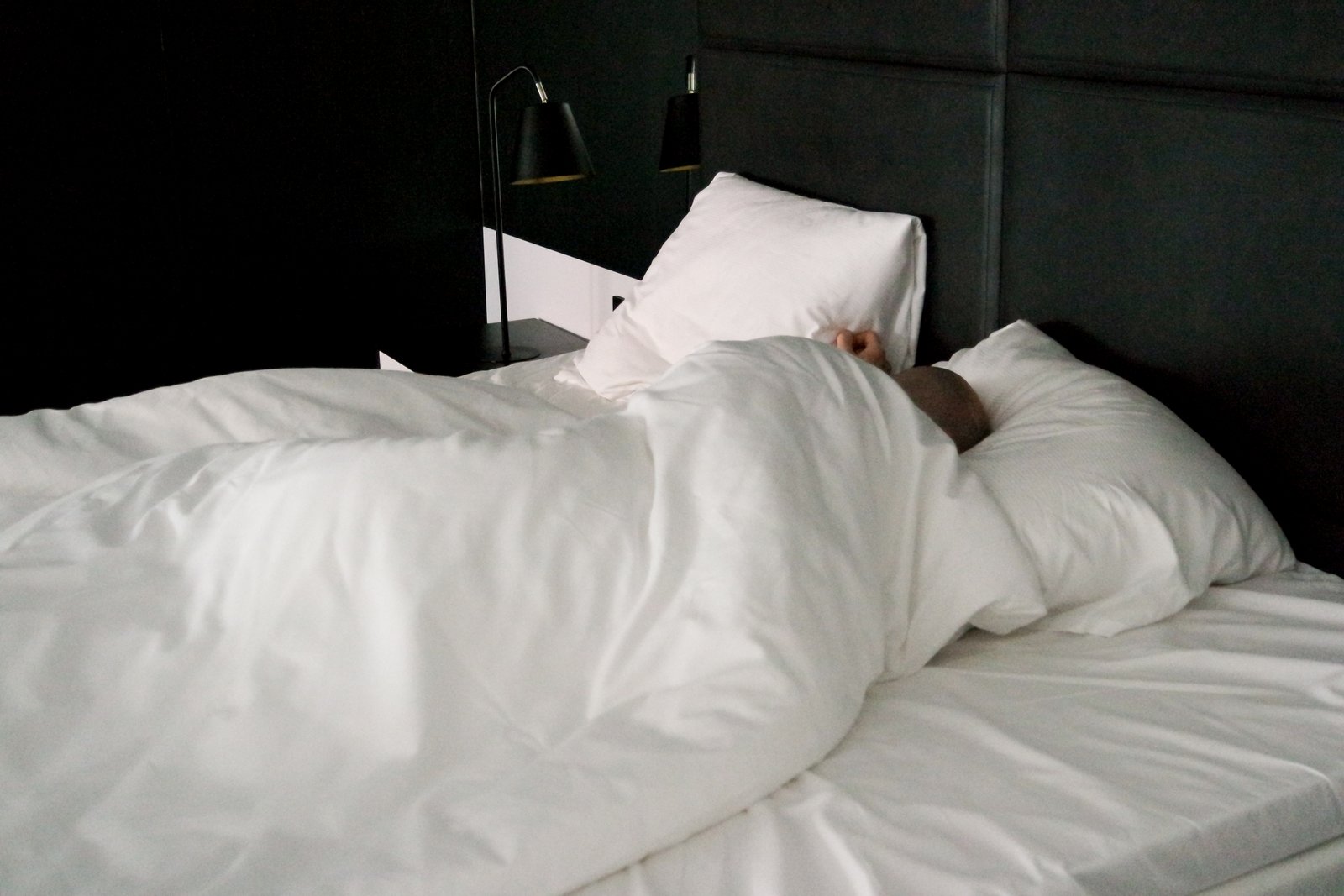
Sleep is one of the most powerful, natural healing tools available to us. Far from being a passive state, sleep activates complex processes that detoxify the brain, lower inflammation, support your immune system, and allow your body to repair itself. When we improve the quality of our sleep—not only how long we sleep, but how we sleep—we strengthen our overall physical and mental well-being.
1. Sleep and Brain Health: The Glymphatic System in Action
During the day, the brain consumes large amounts of energy, producing waste products that must be cleared out to keep neurons healthy. Overnight, during deep sleep, the glymphatic system takes over. This system acts like a nighttime cleaning mechanism, flushing out metabolic waste and proteins that accumulate between brain cells.
As you enter slow-wave (deep) sleep:
• The space around brain cells expands
• Cerebrospinal fluid circulates more effectively
• Toxins and by-products are washed away
Think of it as a rinse cycle for the brain. Without enough deep sleep, this system cannot work properly, contributing to mental fog, reduced concentration, headaches, and long-term cognitive stress. Supporting high-quality sleep is therefore a direct investment in brain clarity, memory, and long-term neurological health.
2. Sleep Reduces Inflammation
Chronic inflammation plays a role in pain, cardiovascular disease, metabolic imbalance, autoimmune issues, and even mood disorders. Sleep is one of the most effective anti-inflammatory tools we have.
When you sleep well:
• Pro-inflammatory molecules such as cytokines decrease
• Immune cells shift into a balanced, regenerative mode
• Stress hormones like cortisol follow their natural rhythm
• Tissue healing accelerates
In contrast, poor or irregular sleep increases pain sensitivity, slows tissue repair, and increases systemic inflammation. This is particularly important for patients dealing with chronic pain conditions, musculoskeletal issues, or post-injury recover
3. Parasympathetic Nervous System: The Body’s Recovery State
The autonomic nervous system has two main modes:
• Sympathetic (“fight-or-flight”) – stress response
• Parasympathetic (“rest-and-digest”) – healing response
During restorative sleep, especially deep sleep and REM sleep, the parasympathetic system dominates. This shift allows:
• Lower heart rate and blood pressure
• Relaxation of muscles
• Improved digestion
• Cellular repair and hormonal balance
• Recovery of the immune and musculoskeletal systems
Good sleep is therefore essential not only for feeling rested, but for helping the body rebalance after physical or emotional stress.
4. Best Sleeping Postures for Neck Pain, Low Back Pain, and Spinal Health
Your sleeping posture influences spinal alignment, muscle tension, and pain levels. The right position can reduce neck strain, support the lower back, and improve overall sleep quality.
For Neck Pain
Best position: On your back or on your side with proper pillow support.
• Use a pillow that keeps your neck aligned with your spine—not flexed forward or tilted.
• A cervical-curve pillow or a memory-foam pillow can help maintain natural alignment.
• Avoid sleeping on your stomach, as it forces the neck into rotation and compression for hours.
For Lumbar (Lower Back) Pain
Best position: On your back with support under your knees, or on your side with a pillow between your knees.
• Back-sleeping with a small pillow under the knees reduces lumbar arching and unloads the discs.
• Side-sleeping with a pillow between the knees keeps the pelvis level and prevents twisting.
• Use a medium-firm mattress to reduce pressure on spinal structures.
Avoid sleeping curled tightly in a fetal position or twisted across the bed, as this can aggravate lumbar strain.
For Overall Spinal Health
Best position: Back or side-lying in a neutral, aligned posture.
Key principles:
• The head, neck, and spine should follow one straight line.
• Shoulders should not collapse inward (common position that strains the upper back).
• Choose pillows and mattresses that support natural curves without sagging.
Small adjustments in posture can dramatically reduce morning stiffness and improve sleep quality.
5. Sleep Hygiene Tips to Fall Asleep Faster and Sleep Better
To support brain health, reduce inflammation, and protect spinal wellbeing, consider these practical habits:
• Create a nightly wind-down routine: gentle stretching, warm bath, deep breathing, or calming music.
• Limit screens for at least one hour before bed to prevent melatonin disruption.
• Keep your room cool, dark, and quiet (ideal temperature 18–20°C / 64–68°F).
• Stick to a consistent sleep schedule, even on weekends.
• Avoid caffeine late in the day, and reduce heavy evening meals.
• Reserve your bed for sleep, not work or scrolling.
• Expose yourself to morning light to anchor your circadian rhythm.
• Use relaxation techniques such as 4-7-8 breathing or progressive muscle relaxation.
Final Thought
Sleep is one of the most effective tools we have for healing the brain, balancing the nervous system, reducing inflammation, and supporting spinal health. By combining healthy sleep habits with proper sleep posture, you can dramatically improve overall well-being, decrease pain, and wake feeling genuinely restored
النوم واحدٌ من أقوى أدوات الشفاء الطبيعية المتاحة لنا. وهو أبعد ما يكون عن حالةٍ سلبية، إذ يُفعّل عملياتٍ معقّدةً تُزيل السموم من الدماغ، وتُقلّل الالتهاب، وتدعم جهازك المناعي، وتسمح لجسمك بإصلاح نفسه. وحين نُحسّن جودة نومنا — لا مدّته فحسب، بل طريقته أيضاً — فإنّنا نُعزّز صحّتنا الجسدية والنفسية بشكلٍ عامّ.
1. النوم وصحة الدماغ: الجهاز الغلمفاوي أثناء العمل
خلال النهار، يستهلك الدماغ كمياتٍ كبيرةً من الطاقة، مُنتجاً فضلاتٍ يجب التخلّص منها للحفاظ على صحّة الخلايا العصبية. وفي الليل، أثناء النوم العميق، يتولّى الجهاز الغلمفاوي (Glymphatic System) المهمّة. ويعمل هذا الجهاز كآليّة تنظيفٍ ليلية، تغسل الفضلات الأيضية والبروتينات المتراكمة بين خلايا الدماغ.
وحين تدخل في نوم الموجات البطيئة (النوم العميق):
• تتّسع المسافة حول خلايا الدماغ
• يدور السائل الدماغي الشوكي بفعاليةٍ أكبر
• تُغسل السموم والنواتج الثانوية
تخيّله دورةَ شطفٍ للدماغ. فمن دون قدرٍ كافٍ من النوم العميق، لا يستطيع هذا الجهاز العمل بشكلٍ سليم، مما يُسهم في ضبابية الذهن، وضعف التركيز، والصداع، والإجهاد المعرفي طويل الأمد. ولذلك فإنّ دعم النوم عالي الجودة استثمارٌ مباشرٌ في صفاء الدماغ والذاكرة والصحة العصبية على المدى الطويل.
2. النوم يُقلّل الالتهاب
يؤدّي الالتهاب المزمن دوراً في الألم، وأمراض القلب والأوعية الدموية، والاختلال الأيضي، ومشكلات المناعة الذاتية، بل وحتى اضطرابات المزاج. والنوم من أكثر أدوات مقاومة الالتهاب فعاليةً لدينا.
حين تنام جيداً:
• تنخفض الجزيئات المُحفّزة للالتهاب مثل السيتوكينات
• تنتقل الخلايا المناعية إلى وضعٍ متوازنٍ وتجديدي
• تتبع هرمونات التوتّر مثل الكورتيزول إيقاعها الطبيعي
• يتسارع التئام الأنسجة
في المقابل، يزيد النوم السيّئ أو غير المنتظم من حساسية الألم، ويُبطئ إصلاح الأنسجة، ويرفع الالتهاب في الجسم كلّه. وهذا مهمّ بشكلٍ خاصّ للمرضى الذين يتعاملون مع حالات ألمٍ مزمن، أو مشكلاتٍ في الجهاز العضلي الهيكلي، أو تعافٍ بعد الإصابة.
3. الجهاز العصبي نظير الودّي: حالة التعافي في الجسم
للجهاز العصبي اللاإرادي وضعان رئيسيان:
• الودّي ("الكرّ أو الفرّ") – استجابة التوتّر
• نظير الودّي ("الراحة والهضم") – استجابة الشفاء
وخلال النوم التصالحي، خصوصاً النوم العميق ونوم حركة العين السريعة (REM)، يسيطر الجهاز نظير الودّي. ويسمح هذا التحوّل بـ:
• انخفاض معدّل ضربات القلب وضغط الدم
• استرخاء العضلات
• تحسّن الهضم
• إصلاح الخلايا والتوازن الهرموني
• تعافي الجهازين المناعي والعضلي الهيكلي
ولذلك فإنّ النوم الجيّد ضروريٌّ ليس فقط للشعور بالراحة، بل لمساعدة الجسم على استعادة توازنه بعد الإجهاد الجسدي أو العاطفي.
4. أفضل وضعيات النوم لآلام الرقبة وأسفل الظهر وصحة العمود الفقري
تُؤثّر وضعية نومك على محاذاة العمود الفقري، وشدّ العضلات، ومستويات الألم. والوضعية الصحيحة يمكنها تقليل إجهاد الرقبة، ودعم أسفل الظهر، وتحسين جودة النوم عموماً.
أفضل وضعية: على ظهرك أو على جانبك مع دعمٍ مناسبٍ من الوسادة.
• استخدم وسادةً تُبقي رقبتك محاذيةً لعمودك الفقري — لا منثنيةً إلى الأمام ولا مائلة.
• قد تُساعد وسادةٌ بانحناءٍ عنقيٍّ أو وسادةٌ من الإسفنج الطبي على الحفاظ على المحاذاة الطبيعية.
• تجنّب النوم على بطنك، لأنّه يُجبر الرقبة على الدوران والانضغاط لساعات.
لآلام أسفل الظهر (القطنية)
أفضل وضعية: على ظهرك مع دعمٍ تحت الركبتين، أو على جانبك مع وسادةٍ بين الركبتين.
• النوم على الظهر مع وسادةٍ صغيرةٍ تحت الركبتين يُقلّل تقوّس أسفل الظهر ويُخفّف الحِمل عن الأقراص.
• النوم على الجانب مع وسادةٍ بين الركبتين يُبقي الحوض مستوياً ويمنع الالتواء.
• استخدم مرتبةً متوسّطة الصلابة لتقليل الضغط على بُنى العمود الفقري.
تجنّب النوم منكمشاً بإحكامٍ في وضع الجنين أو ملتوياً عبر السرير، فهذا قد يُفاقم إجهاد أسفل الظهر.
لصحة العمود الفقري عموماً
أفضل وضعية: على الظهر أو الجانب في وضعٍ محايدٍ ومُحاذى.
المبادئ الأساسية:
• ينبغي أن يتبع الرأس والرقبة والعمود الفقري خطاً مستقيماً واحداً.
• لا ينبغي أن ينهار الكتفان إلى الداخل (وضعٌ شائعٌ يُجهد أعلى الظهر).
• اختر وساداتٍ ومراتبَ تدعم الانحناءات الطبيعية دون ترهّل.
يمكن لتعديلاتٍ صغيرةٍ في الوضعية أن تُقلّل التيبّس الصباحي بشكلٍ كبيرٍ وتُحسّن جودة النوم.
5. نصائح لنظافة النوم تُساعدك على النوم أسرع وبشكلٍ أفضل
لدعم صحة الدماغ، وتقليل الالتهاب، وحماية سلامة العمود الفقري، ضع في اعتبارك هذه العادات العملية:
• أنشئ روتيناً ليلياً للاسترخاء: إطالةٌ لطيفة، أو حمّامٌ دافئ، أو تنفّسٌ عميق، أو موسيقى هادئة.
• قلّل استخدام الشاشات لساعةٍ واحدةٍ على الأقلّ قبل النوم لتجنّب اضطراب الميلاتونين.
• أبقِ غرفتك باردةً ومظلمةً وهادئة (درجة الحرارة المثالية 18–20 درجة مئوية).
• التزم بجدول نومٍ ثابت، حتى في عطلة نهاية الأسبوع.
• تجنّب الكافيين في وقتٍ متأخّرٍ من اليوم، وقلّل الوجبات المسائية الثقيلة.
• اجعل سريرك مخصّصاً للنوم، لا للعمل أو تصفّح الهاتف.
• عرّض نفسك لضوء الصباح لضبط إيقاعك اليومي.
• استخدم تقنيات الاسترخاء مثل تنفّس 4-7-8 أو الاسترخاء العضلي التدريجي.
خلاصة
النوم من أكثر الأدوات فعاليةً لدينا لشفاء الدماغ، وموازنة الجهاز العصبي، وتقليل الالتهاب، ودعم صحة العمود الفقري. وبالجمع بين عادات النوم الصحية ووضعية النوم السليمة، يمكنك تحسين صحّتك العامة بشكلٍ كبير، وتقليل الألم، والاستيقاظ وأنت تشعر بتجدّدٍ حقيقي.