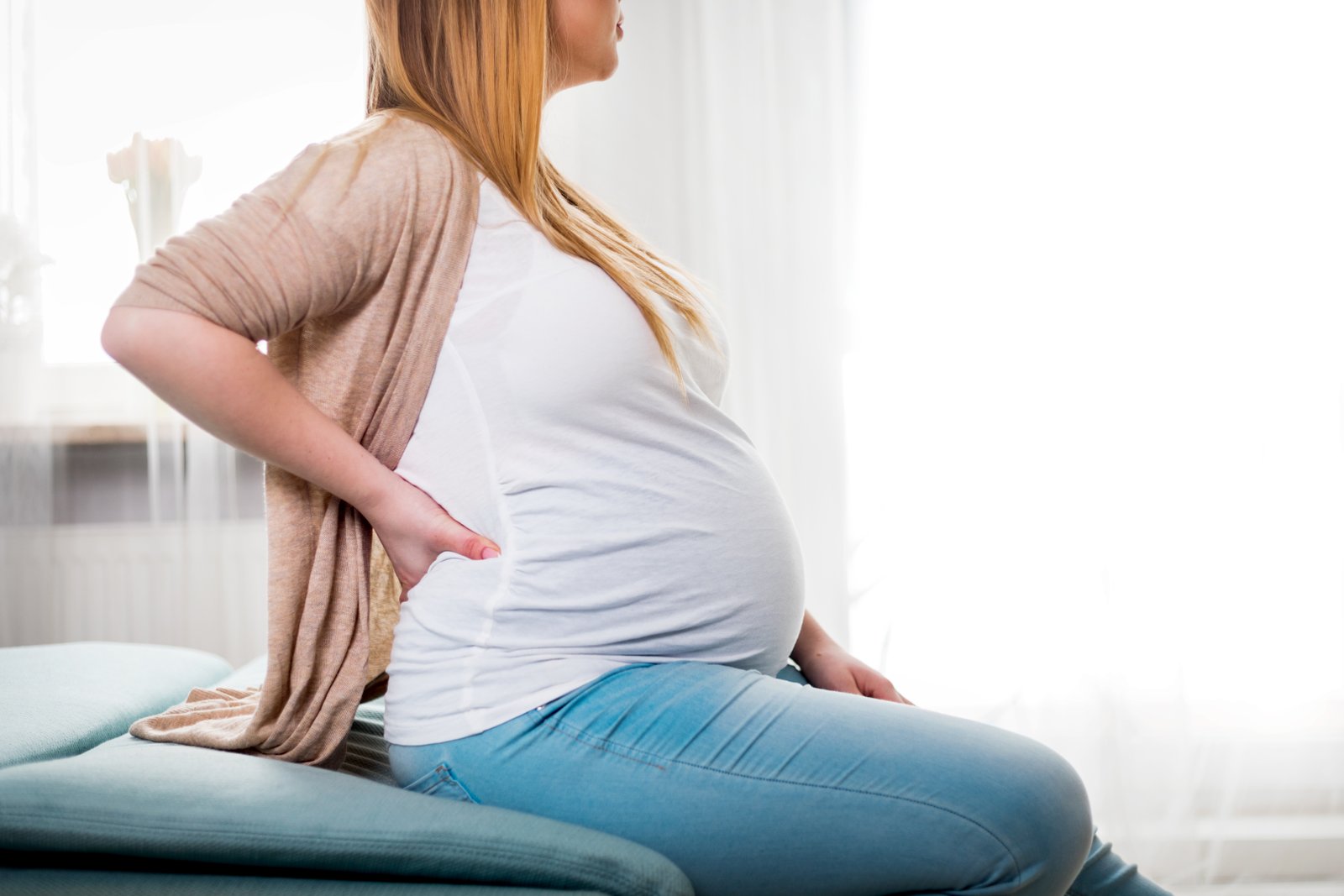
Pregnancy back pain affecting you in Muscat? Discover why hormones and posture changes cause spine problems and how CBP care helps expecting mothers.
The Question Every Expecting Mother in Oman Asks: "Is This Normal?"
If you're reading this while 6 months pregnant and can barely get out of bed in the morning, or if you gave birth months ago but still can't lift your toddler without wincing, you're experiencing something that affects up to 80% of women during pregnancy and childbirth. Yet across Muscat and Oman, the conversation around pregnancy-related back pain remains frustratingly brief: "It's normal. Take paracetamol. It will pass."
But what if it doesn't pass? What if you're among the 30-40% of women whose back and pelvic pain continues long after delivery? What if the "normal" explanation isn't helping you understand why your sacroiliac joints feel like they're separating when you walk, or why you wake up every morning feeling like you've been hit by a truck?
The truth is that pregnancy-related back pain isn't just "normal" – it's structural. And structural problems require structural solutions, not just symptom management.
At مركز الدقة للعمود الفقري in Muscat, we see this pattern repeatedly: women who were told their pregnancy back pain would resolve naturally, but months or years later are still struggling with chronic pain, postural problems, and movement limitations that could have been prevented with proper structural assessment and care.
The Science: What Actually Happens to Your Spine During Pregnancy
The Relaxin Revolution
During pregnancy, your body produces a hormone called relaxin that's designed to soften ligaments in preparation for childbirth. This sounds like a gentle, targeted process, but the reality is more dramatic. Relaxin levels can increase by up to 10 times normal values during pregnancy, affecting ligaments throughout your entire body, not just your pelvis.
The ligaments that normally stabilize your spine, pelvis, and ribcage become significantly more elastic. While this prepares your body for the remarkable process of birth, it also means that the structural foundation supporting your rapidly changing body becomes fundamentally less stable.
Your Center of Gravity Shifts – Dramatically
As your baby grows, your center of gravity shifts forward progressively. Your lumber spine responds by increasing its inward curve (called increased lumbar lordosis) to keep you upright and balanced. This isn't a gentle adaptation – it's a biomechanical necessity that dramatically increases pressure on your:
- Facet joints (the small joints at the back of each vertebra)
- Intervertebral discs (the gel-like cushions between your vertebrae)
- Erector spinae muscles (the long muscles running along your spine)
Over nine months, this sustained mechanical stress becomes a primary driver of the lower back pain that affects the vast majority of pregnant women in Oman and across the GCC.
The Pelvic Girdle Problem
Pelvic girdle pain affects approximately 20% of pregnant women and represents one of the most underdiagnosed pregnancy-related conditions. This isn't just "hip discomfort" – it's a specific condition affecting:
- Sacroiliac joints at the back of your pelvis
- Pubic symphysis at the front of your pelvis
- Hip flexors and gluteal muscles that compensate for pelvic instability
Pelvic girdle pain can range from a dull ache to severe pain that makes walking, climbing stairs, or even turning over in bed nearly impossible. Yet it's routinely dismissed as a normal part of pregnancy and left untreated.
The Core Collapse
As your abdominal muscles stretch to accommodate your growing baby, they lose their ability to support your spine effectively. In many women, the rectus abdominis (the "six-pack" muscle) actually separates down the middle – a condition called diastasis recti.
When this happens, the deep stabilizing muscles of your spine lose their primary support system, dramatically increasing the load on passive structures like ligaments and discs. This is why pregnancy-related back pain often gets worse in the second and third trimesters, even before maximum weight gain occurs.
Why the Pain Often Gets Worse After Birth
Relaxin Doesn't Disappear at Delivery
Here's what many women don't know: relaxin levels remain elevated for up to 5 months after delivery in non-breastfeeding mothers, and throughout the entire breastfeeding period for nursing mothers.
This means the joint laxity, reduced pelvic stability, and vulnerability to misalignment that characterized late pregnancy doesn't simply disappear when your baby is born.
The Physical Demands of New Motherhood
Consider what a new mother's body endures in those crucial first months:
- Prolonged feeding positions: Hours daily in forward head posture with rounded shoulders
- Asymmetric lifting patterns: Always carrying baby on the same dominant side
- Sleep deprivation: Affecting muscle tension and pain perception
- Postural neglect: Zero attention to body mechanics while focused on baby's needs
These patterns create structural imbalances that, left unaddressed, become the foundation for chronic postpartum pain that can persist for years.
When Diastasis Recti Becomes Chronic
If abdominal separation hasn't been properly assessed and treated, the core continues to provide inadequate spinal support long into the postpartum period. This is one of the most common – and least addressed – causes of persistent lower back pain in women who gave birth months or years ago.
Is Chiropractic Care Safe During Pregnancy? The Evidence-Based Answer
Yes. Multiple professional organizations, including the American College of Obstetricians and Gynecologists, recognize chiropractic care as a safe option for musculoskeletal pain during pregnancy.
This is one of the most searched questions among pregnant women in the GCC, and the scientific consensus is clear. What matters is the technique and practitioner training.
Our Pregnancy-Adapted Protocols at مركز الدقة للعمود الفقري
High-velocity, high-force adjustments are never appropriate during pregnancy. Our الكيروبراكتيك البيوفيزيائي (Chiropractic BioPhysics®) (CBP) approach uses specifically modified techniques for all expecting mothers:
- Low-force pelvic adjustments to restore sacroiliac symmetry and reduce pain
- Pregnancy-adapted spinal traction using positions safe for all trimesters
- Postural correction protocols designed for changing body mechanics
- Home exercise programs specific to each trimester's challenges
We coordinate all care with your obstetrician or midwife and request medical clearance whenever there's any clinical uncertainty.
The Connection Between Summer Heat and Pregnancy Back Pain
For women experiencing pregnancy back pain during Oman's intense summer months (May-September), spinal dehydration can compound the structural stresses already present from pregnancy. As we've discussed in our comprehensive guide on spinal dehydration and summer heat, the extreme temperatures common in the GCC can cause your spinal discs to lose water content, making them less effective at cushioning the increased loads from pregnancy.
This is particularly relevant for pregnant women in their second and third trimesters during summer months, when proper hydration becomes crucial not just for overall pregnancy health, but for maintaining spinal disc integrity under increased mechanical stress.
When Pregnancy Pain Signals Serious Problems
While some discomfort during pregnancy is common, certain symptoms warrant immediate professional attention:
Red Flag Symptoms
- Severe morning stiffness lasting more than 1 hour daily
- Radiating leg pain (sciatica) that worsens with walking or sitting
- Pelvic pain that makes walking or climbing stairs difficult
- Severe headaches that started or worsened during pregnancy
- Numbness or tingling in hands or feet
- Severe upper back pain from prolonged feeding positions
Why Early Intervention Matters
Pregnancy-related structural problems are far easier to correct during pregnancy than after years of compensation patterns have developed. Early assessment and treatment can:
- Prevent chronic postpartum back pain
- Reduce the severity of diastasis recti
- Improve birth outcomes by optimizing pelvic alignment
- Establish healthy movement patterns for motherhood
Special Considerations for Women in Oman
Cultural and Environmental Factors
Women in Muscat and across Oman face unique challenges that can exacerbate pregnancy-related back pain:
- Extended family expectations often discourage "complaining" about normal pregnancy discomfort
- Limited access to specialized pregnancy care in some regions of Oman
- Heat-related activity restrictions that reduce beneficial movement during pregnancy
- Traditional postpartum practices that may not address structural recovery
Nutritional Considerations in the GCC
Vitamin D deficiency affects up to 80% of pregnant women in Gulf countries, contributing to bone softening and increased musculoskeletal pain. As discussed in our detailed analysis of <u>vitamin D deficiency and spine health</u> in the Gulf region, this nutritional gap is particularly relevant for pregnant women experiencing back pain, as adequate vitamin D is crucial for:
🔗 Cross-Blog Link: Link "vitamin D deficiency and spine health" to your vitamin D/osteoporosis blog post once published - connects nutritional factors
- Calcium absorption and bone strength during pregnancy
- Muscle function and pain management
- Immune system support during pregnancy
- Optimal fetal bone development
CBP Precision Approach: What Makes Our Care Different
Comprehensive Structural Assessment
Unlike conventional prenatal care that focuses primarily on baby's health, we provide detailed structural evaluation including:
- Postural photography and analysis to document alignment changes
- Pelvic symmetry evaluation to identify dysfunction early
- Range of motion testing to assess functional limitations
- Muscle strength assessment to identify compensation patterns
Trimester-Specific Care Plans
First Trimester Focus:
- Early identification of postural adaptations
- Pelvic stability training
- Preparation for body changes ahead
Second Trimester Focus:
- Management of increasing spinal stress
- Sciatica prevention and treatment protocols
- Optimization of sleep and daily positioning
Third Trimester Focus:
- Birth preparation through optimal pelvic alignment
- Management of advanced postural changes
- Preparation for postpartum recovery
Postpartum Recovery Protocols
Our postpartum care addresses the structural reality of new motherhood:
- Diastasis recti assessment and rehabilitation programs
- Postural restoration for feeding and childcare activities
- Core re-engagement protocols for safe return to activity
- Sleep position optimization for spinal recovery
Advanced Treatment Options at مركز الدقة للعمود الفقري
For pregnant and postpartum women requiring additional therapeutic support, we offer specialized treatments adapted for maternal needs:
Corrective Care for Long-Term Results
As the first corrective chiropractic clinic in the region, we don't just provide temporary relief – we address the underlying structural causes of pregnancy-related back pain to prevent future problems. Our corrective approach is particularly valuable for women planning future pregnancies.
Frequently Asked Questions
Can I start chiropractic care during my first trimester?
Yes. Early intervention often provides the most benefit by addressing postural changes before they become established patterns. Our gentle CBP techniques are safe throughout all trimesters.
I'm 8 months postpartum and still have back pain. Is it too late?
It's never too late. Postpartum structural imbalances can persist for years without proper intervention, but respond well to appropriate structural care. Many of our patients see significant improvement even years after delivery.
Can chiropractic care help with my diastasis recti?
Spinal alignment and core rehabilitation are complementary. Proper pelvic and spinal alignment reduces the compensatory patterns that worsen abdominal separation, while our rehabilitation protocols help restore core function.
Is X-ray imaging safe during pregnancy?
We do not X-ray during pregnancy. All structural imaging is deferred until after delivery and appropriate medical clearance. Our pregnancy assessments use safe, non-radiation methods.
How many treatments will I need?
This varies based on your trimester, symptom severity, and structural findings. Most pregnant patients see improvement within 2-4 weeks of starting care. We provide clear treatment timelines during your initial assessment.
Can you help with scoliosis during pregnancy?
Yes. Pregnancy can worsen existing scoliosis due to postural changes and hormonal effects. Our scoliosis treatment protocols can be safely adapted for pregnancy to prevent curve progression and manage associated discomfort.
Take Action Before Pain Becomes Chronic
Pregnancy-related back pain is largely preventable and highly treatable when addressed properly. Whether you're currently pregnant, recently postpartum, or dealing with chronic pain that began during a previous pregnancy, structural assessment can identify the underlying causes and create a path to recovery.
Don't accept pain as a "normal" part of motherhood. Your spine health matters – for you and for your family.
Book your pregnancy or postpartum structural assessment today. Because the strongest mothers start with the healthiest spines
آلام الظهر أثناء الحمل تؤثر عليك في مسقط؟ اكتشفي لماذا تسبب الهرمونات وتغييرات الوضعية مشاكل العمود الفقري وكيف تساعد رعاية CBP الأمهات الحوامل.
السؤال الذي تطرحه كل أم حامل في عُمان: "هل هذا طبيعي؟"
إذا كنت تقرئين هذا وأنت في الشهر السادس من الحمل وبالكاد تستطيعين النهوض من السرير في الصباح، أو إذا وضعت منذ أشهر ولا تزالين لا تستطيعين حمل طفلك الدارج دون أن تتأوهي من الألم، فأنت تعيشين شيئًا يؤثر على ما يصل إلى 80% من النساء أثناء الحمل والولادة. ومع ذلك، في جميع أنحاء مسقط وعُمان، يبقى النقاش حول آلام الظهر المرتبطة بالحمل محبطًا ومختصرًا: "هذا طبيعي. تناولي الباراسيتامول. سيزول الألم."
ولكن ماذا لو لم يزل؟ ماذا لو كنت من بين 30-40% من النساء اللواتي تستمر آلام ظهورهن وأحواضهن لفترة طويلة بعد الولادة؟ ماذا لو لم يساعدك التفسير "الطبيعي" في فهم لماذا تشعرين أن مفاصلك العجزية الحرقفية تنفصل عندما تمشين، أو لماذا تستيقظين كل صباح وكأن شاحنة دهستك؟
الحقيقة أن آلام الظهر المرتبطة بالحمل ليست مجرد "أمر طبيعي" – إنها بنيوية. والمشاكل البنيوية تتطلب حلولًا بنيوية، وليس مجرد إدارة الأعراض.
في مركز CBP Precision Spine في مسقط، نرى هذا النمط بانتظام: نساء قيل لهن أن آلام ظهورهن المرتبطة بالحمل ستزول بشكل طبيعي، لكن بعد أشهر أو سنوات لا يزلن يعانين من آلام مزمنة ومشاكل وضعية وقيود حركية كان يمكن منعها بالتقييم والرعاية البنيوية المناسبة.
العلم: ما يحدث فعليًا لعمودك الفقري أثناء الحمل
ثورة الريلاكسين
أثناء الحمل، ينتج جسمك هرمونًا يُسمى الريلاكسين مصمم لتليين الأربطة استعدادًا للولادة. يبدو هذا كعملية لطيفة ومستهدفة، لكن الواقع أكثر دراماتيكية. يمكن أن تزيد مستويات الريلاكسين بما يصل إلى 10 أضعاف القيم الطبيعية أثناء الحمل، مؤثرة على الأربطة في جسمك كله، وليس فقط حوضك.
الأربطة التي تثبت عادة عمودك الفقري وحوضك وقفصك الصدري تصبح أكثر مرونة بشكل كبير. وبينما يهيئ هذا جسمك لعملية الولادة الرائعة، فإنه يعني أيضًا أن الأساس البنيوي الذي يدعم جسمك المتغير بسرعة يصبح أقل استقرارًا بشكل جوهري.
مركز ثقلك ينتقل – بشكل كبير
مع نمو طفلك، ينتقل مركز ثقلك إلى الأمام تدريجيًا. يستجيب عمودك الفقري القطني بزيادة انحنائه الداخلي (يُسمى زيادة القعس القطني) للحفاظ على استقامتك وتوازنك. هذا ليس تكيفًا لطيفًا – إنه ضرورة بيوميكانيكية تزيد بشكل كبير من الضغط على:
- المفاصل الوجيهية (المفاصل الصغيرة في مؤخرة كل فقرة)
- الأقراص الفقرية (الوسائد الشبيهة بالجل بين فقراتك)
- عضلات الناصبة الشوكية (العضلات الطويلة التي تمتد على طول عمودك الفقري)
على مدى تسعة أشهر، يصبح هذا الإجهاد الميكانيكي المستمر محركًا رئيسيًا لآلام أسفل الظهر التي تؤثر على الغالبية العظمى من النساء الحوامل في عُمان وعبر دول الخليج.
مشكلة حزام الحوض
تؤثر آلام حزام الحوض على حوالي 20% من النساء الحوامل وتمثل واحدة من أكثر الحالات المرتبطة بالحمل قلة تشخيصًا. هذا ليس مجرد "عدم راحة في الورك" – إنها حالة محددة تؤثر على:
- المفاصل العجزية الحرقفية في مؤخرة حوضك
- ارتفاق العانة في مقدمة حوضك
- عضلات مثني الورك والألوية التي تعوض عن عدم استقرار الحوض
يمكن أن تتراوح آلام حزام الحوض من وجع خفيف إلى ألم شديد يجعل المشي أو صعود الدرج أو حتى الانقلاب في السرير أمرًا شبه مستحيل. ومع ذلك، عادة ما تُرفض كجزء طبيعي من الحمل وتُترك دون علاج.
انهيار القلب
مع تمدد عضلات بطنك لاستيعاب طفلك المتنامي، تفقد قدرتها على دعم عمودك الفقري بفعالية. في كثير من النساء، تنفصل العضلة المستقيمة البطنية (عضلة "البطن المقسمة") فعليًا في المنتصف – حالة تُسمى انفراق المستقيمة.
عندما يحدث هذا، تفقد العضلات المثبتة العميقة لعمودك الفقري نظام دعمها الأساسي، مما يزيد بشكل كبير من الحمل على الهياكل السلبية مثل الأربطة والأقراص. لهذا السبب غالبًا ما تزداد آلام الظهر المرتبطة بالحمل سوءًا في الثلثين الثاني والثالث، حتى قبل حدوث أقصى زيادة في الوزن.
لماذا غالبًا ما يزداد الألم سوءًا بعد الولادة
الريلاكسين لا يختفي عند الولادة
إليك ما لا تعرفه كثير من النساء: تبقى مستويات الريلاكسين مرتفعة لمدة تصل إلى 5 أشهر بعد الولادة في الأمهات غير المرضعات، وطوال فترة الرضاعة الطبيعية بأكملها للأمهات المرضعات.
هذا يعني أن ارتخاء المفاصل وتقليل استقرار الحوض والقابلية للاختلال التي ميزت أواخر الحمل لا تختفي ببساطة عند ولادة طفلك.
المتطلبات الجسدية للأمومة الجديدة
تأملي ما يتحمله جسم الأم الجديدة في تلك الأشهر الحاسمة الأولى:
- مواضع الإرضاع المطولة: ساعات يوميًا في وضعية إمالة الرأس للأمام مع الكتفين المقوستين
- أنماط رفع غير متماثلة: حمل الطفل دائمًا على نفس الجانب المهيمن
- الحرمان من النوم: يؤثر على توتر العضلات وإدراك الألم
- إهمال الوضعية: عدم الانتباه لميكانيكيات الجسم أثناء التركيز على احتياجات الطفل
هذه الأنماط تخلق خللاً بنيويًا، إذا ترك دون معالجة، يصبح أساسًا لآلام مزمنة بعد الولادة يمكن أن تستمر لسنوات.
عندما يصبح انفراق المستقيمة مزمنًا
إذا لم يتم تقييم وعلاج انفصال البطن بشكل صحيح، يستمر القلب في توفير دعم غير كافٍ للعمود الفقري لفترة طويلة في فترة ما بعد الولادة. هذا واحد من أكثر الأسباب شيوعًا – وأقلها معالجة – لآلام أسفل الظهر المستمرة في النساء اللواتي وضعن منذ أشهر أو سنوات.
هل الرعاية الكايروبراكتية آمنة أثناء الحمل؟ الإجابة المبنية على الأدلة
نعم. منظمات مهنية متعددة، بما في ذلك الكلية الأمريكية لأطباء النساء والتوليد، تعترف بالرعاية الكايروبراكتية كخيار آمن لآلام الجهاز العضلي الهيكلي أثناء الحمل.
هذا واحد من أكثر الأسئلة بحثًا بين النساء الحوامل في دول الخليج، والإجماع العلمي واضح. ما يهم هو التقنية وتدريب الممارس.
بروتوكولاتنا المكيفة للحمل في مركز CBP Precision Spine
التعديلات عالية السرعة وعالية القوة غير مناسبة أبدًا أثناء الحمل. نهج الفيزياء الحيوية للعلاج بتقويم العمود الفقري (CBP) لدينا يستخدم تقنيات معدلة خصيصًا لجميع الأمهات الحوامل:
- تعديلات حوضية منخفضة القوة لاستعادة تماثل العجز الحرقفي وتقليل الألم
- جر شوكي مكيف للحمل باستخدام مواضع آمنة لجميع الأثلاثبروتوكولات تصحيح الوضعية مصممة لميكانيكيات الجسم المتغيرة
جر شوكي مكيف للحمل باستخدام مواضع آمنة لجميع الأثلاث
بروتوكولات تصحيح الوضعية مصممة لميكانيكيات الجسم المتغيرة
- برامج تمارين منزلية محددة لتحديات كل ثلث
ننسق جميع الرعاية مع طبيب التوليد أو القابلة ونطلب التخليص الطبي عندما يكون هناك أي عدم يقين سريري.
العلاقة بين الحر الصيفي وآلام الظهر أثناء الحمل
بالنسبة للنساء اللواتي يعانين من آلام الظهر أثناء الحمل خلال أشهر عُمان الحارة الشديدة (مايو-سبتمبر)، يمكن أن يؤدي جفاف العمود الفقري إلى تفاقم الضغوط البنيوية الموجودة بالفعل من الحمل. كما ناقشنا في دليلنا الشامل حول جفاف العمود الفقري والحر الصيفي، يمكن أن تتسبب درجات الحرارة الشديدة الشائعة في دول الخليج في فقدان أقراصك الفقرية لمحتواها المائي، مما يجعلها أقل فعالية في توسيد الأحمال المتزايدة من الحمل.
هذا مهم بشكل خاص للنساء الحوامل في الثلثين الثاني والثالث خلال أشهر الصيف، عندما يصبح الترطيب المناسب أمرًا بالغ الأهمية ليس فقط للصحة العامة للحمل، ولكن للحفاظ على سلامة أقراص العمود الفقري تحت الضغط الميكانيكي المتزايد.
متى تشير آلام الحمل إلى مشاكل خطيرة
بينما بعض الانزعاج أثناء الحمل أمر شائع، أعراض معينة تستدعي انتباهًا مهنيًا فوريًا:
أعراض العلم الأحمر
- تيبس صباحي شديد يدوم أكثر من ساعة واحدة يوميًا
- ألم الساق المشع (عرق النسا) الذي يزداد سوءًا مع المشي أو الجلوس
- ألم الحوض الذي يجعل المشي أو صعود الدرج صعبًا
- صداع شديد بدأ أو ازداد سوءًا أثناء الحمل
- تنميل أو وخز في اليدين أو القدمين
- ألم شديد في الظهر العلوي من مواضع الإرضاع المطولة
لماذا التدخل المبكر مهم
المشاكل البنيوية المرتبطة بالحمل أسهل بكثير للتصحيح أثناء الحمل من بعد سنوات من تطوير أنماط التعويض. التقييم والعلاج المبكر يمكن أن:
- يمنع آلام الظهر المزمنة بعد الولادة
- يقلل من شدة انفراق المستقيمة
- يحسن نتائج الولادة من خلال تحسين محاذاة الحوض
- يؤسس أنماط حركة صحية للأمومة
اعتبارات خاصة للنساء في عُمان
العوامل الثقافية والبيئية
تواجه النساء في مسقط وعبر عُمان تحديات فريدة يمكن أن تفاقم آلام الظهر المرتبطة بالحمل:
- توقعات الأسرة الممتدة غالبًا ما تثبط "الشكوى" من عدم راحة الحمل الطبيعية
- الوصول المحدود للرعاية المتخصصة للحمل في بعض مناطق عُمان
- قيود النشاط المرتبطة بالحر التي تقلل الحركة المفيدة أثناء الحمل
- الممارسات التقليدية بعد الولادة التي قد لا تتعامل مع الاستعادة البنيوية
الاعتبارات الغذائية في دول الخليج
نقص فيتامين د يؤثر على ما يصل إلى 80% من النساء الحوامل في دول الخليج، مساهمًا في تليين العظام وزيادة آلام الجهاز العضلي الهيكلي. كما نوقش في تحليلنا المفصل لـ <u>نقص فيتامين د وصحة العمود الفقري</u> في منطقة الخليج، هذه الفجوة الغذائية مهمة بشكل خاص للنساء الحوامل اللواتي يعانين من آلام الظهر، حيث أن فيتامين د الكافي أمر بالغ الأهمية لـ:
🔗 رابط عبر المدونات: ربط "نقص فيتامين د وصحة العمود الفقري" بمقالة مدونة فيتامين د/هشاشة العظام بمجرد نشرها - يربط العوامل الغذائية
- امتصاص الكالسيوم وقوة العظام أثناء الحمل
- وظيفة العضلات وإدارة الألم
- دعم الجهاز المناعي أثناء الحمل
- تطوير العظام الأمثل للجنين
نهج CBP Precision: ما يجعل رعايتنا مختلفة
التقييم البنيوي الشامل
على عكس رعاية ما قبل الولادة التقليدية التي تركز في المقام الأول على صحة الطفل، نوفر تقييمًا بنيويًا مفصلاً يشمل:
- التصوير الفوتوغرافي للوضعية والتحليل لتوثيق تغييرات المحاذاة
- تقييم تماثل الحوض لتحديد الخلل مبكرًا
- اختبار مدى الحركة لتقييم القيود الوظيفية
- تقييم قوة العضلات لتحديد أنماط التعويض
خطط الرعاية الخاصة بالثلث
تركيز الثلث الأول:
- التحديد المبكر للتكيفات الوضعية
- تدريب استقرار الحوض
- التحضير للتغييرات الجسدية القادمة
تركيز الثلث الثاني:
- إدارة الإجهاد الشوكي المتزايد
- بروتوكولات منع وعلاج عرق النسا
- تحسين النوم والوضعية اليومية
تركيز الثلث الثالث:
- التحضير للولادة من خلال محاذاة الحوض الأمثل
- إدارة التغييرات الوضعية المتقدمة
- التحضير لاستعادة ما بعد الولادة
بروتوكولات استعادة ما بعد الولادة
رعايتنا بعد الولادة تتعامل مع الواقع البنيوي للأمومة الجديدة:
- تقييم انفراق المستقيمة وبرامج التأهيل
- استعادة الوضعية لأنشطة الإرضاع ورعاية الطفل
- بروتوكولات إعادة تنشيط القلب للعودة الآمنة إلى النشاط
- تحسين وضعية النوم لاستعادة العمود الفقري
خيارات العلاج المتقدمة في مركز CBP Precision Spine
للنساء الحوامل وبعد الولادة اللواتي يحتجن إلى دعم علاجي إضافي، نقدم علاجات متخصصة مكيفة للاحتياجات الأمومية:
الرعاية التصحيحية للنتائج طويلة المدى
بصفتنا أول عيادة للعلاج بتقويم العمود الفقري التصحيحي في المنطقة، لا نقدم فقط راحة مؤقتة – نتعامل مع الأسباب البنيوية الأساسية لآلام الظهر المرتبطة بالحمل لمنع المشاكل المستقبلية. نهجنا التصحيحي قيم بشكل خاص للنساء اللواتي يخططن لحمل مستقبلي.
الأسئلة الشائعة
هل يمكنني بدء الرعاية الكايروبراكتية خلال الثلث الأول؟
نعم. التدخل المبكر غالبًا ما يوفر أكبر فائدة من خلال معالجة التغييرات الوضعية قبل أن تصبح أنماطًا راسخة. تقنيات CBP اللطيفة لدينا آمنة خلال جميع الأثلاث.
أنا في الشهر الثامن بعد الولادة ولا أزال أعاني من آلام الظهر. هل فات الأوان؟
لم يفت الأوان أبدًا. يمكن أن تستمر الاختلالات البنيوية بعد الولادة لسنوات دون تدخل مناسب، لكنها تستجيب بشكل جيد للرعاية البنيوية المناسبة. كثير من مريضاتنا يرين تحسنًا كبيرًا حتى بعد سنوات من الولادة.
هل يمكن للرعاية الكايروبراكتية أن تساعد في انفراق المستقيمة؟
محاذاة العمود الفقري وتأهيل القلب متكاملان. المحاذاة المناسبة للحوض والعمود الفقري تقلل من أنماط التعويض التي تفاقم انفصال البطن، بينما بروتوكولات إعادة التأهيل لدينا تساعد في استعادة وظيفة القلب.
هل التصوير بالأشعة السينية آمن أثناء الحمل؟
لا نقوم بالتصوير بالأشعة السينية أثناء الحمل. جميع التصوير البنيوي يؤجل حتى بعد الولادة والتخليص الطبي المناسب. تقييماتنا للحمل تستخدم طرقًا آمنة خالية من الإشعاع.
كم عدد العلاجات التي سأحتاجها؟
هذا يختلف بناءً على الثلث وشدة الأعراض والنتائج البنيوية. معظم المريضات الحوامل يرين تحسنًا خلال 2-4 أسابيع من بدء الرعاية. نوفر جداول زمنية واضحة للعلاج خلال التقييم الأولي.
هل يمكنكم المساعدة في الجنف أثناء الحمل؟
نعم. يمكن أن يؤدي الحمل إلى تفاقم الجنف الموجود بسبب التغييرات الوضعية والتأثيرات الهرمونية. يمكن تكييف بروتوكولات علاج الجنف لدينا بأمان للحمل لمنع تقدم الانحناء وإدارة الانزعاج المرتبط.
اتخذي إجراءً قبل أن يصبح الألم مزمنًا
آلام الظهر المرتبطة بالحمل قابلة للمنع إلى حد كبير وقابلة للعلاج عندما تُعالج بشكل صحيح. سواء كنت حاملاً حاليًا، أو وضعت مؤخرًا، أو تتعاملين مع آلام مزمنة بدأت أثناء حمل سابق، يمكن للتقييم البنيوي تحديد الأسباب الأساسية وإنشاء طريق للاستعادة.
لا تقبلي الألم كجزء "طبيعي" من الأمومة. صحة عمودك الفقري مهمة – لك ولعائلتك.
احجزي تقييمك البنيوي للحمل أو ما بعد الولادة اليوم. لأن أقوى الأمهات يبدأن بأصح الأعمدة الفقرية.
سلطنة عمان - مسقط - العذيبة
336 شارع 18 نوفمبر، العذيبة