


Why 8 Out of 10 Pregnant Women in Muscat Suffer Back Pain: The Truth About Pregnancy-Related Spine Problems
Pregnancy back pain affecting you in Muscat? Discover why hormones and posture changes cause spine problems and how CBP care helps expecting mothers.
Dr. Iman Mohammed
5/24/20267 min read
The Question Every Expecting Mother in Oman Asks: "Is This Normal?"
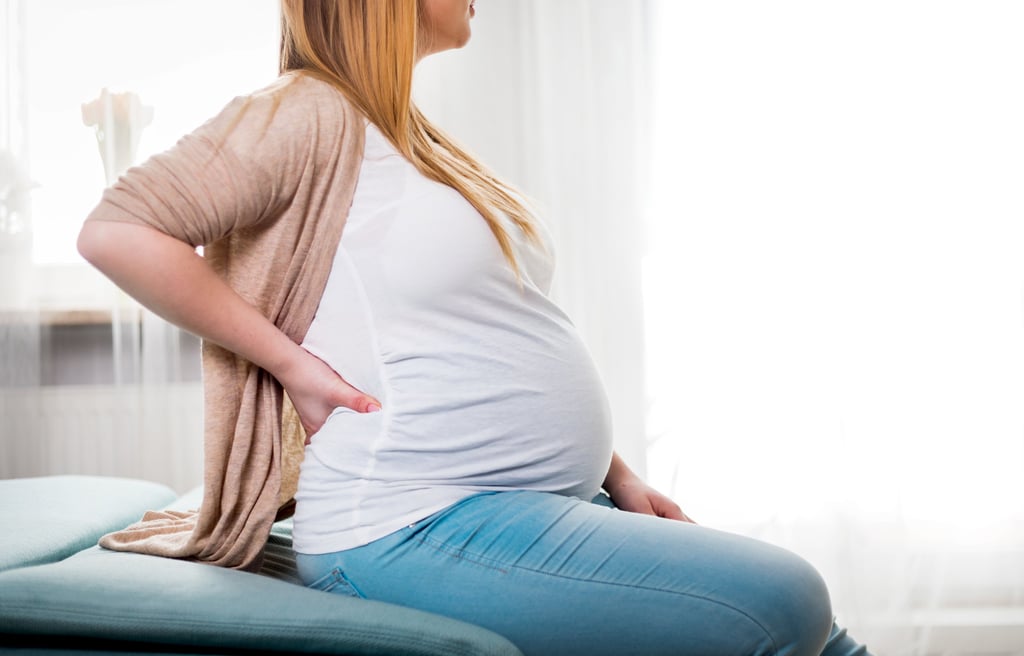
If you're reading this while 6 months pregnant and can barely get out of bed in the morning, or if you gave birth months ago but still can't lift your toddler without wincing, you're experiencing something that affects up to 80% of women during pregnancy and childbirth. Yet across Muscat and Oman, the conversation around pregnancy-related back pain remains frustratingly brief: "It's normal. Take paracetamol. It will pass."
But what if it doesn't pass? What if you're among the 30-40% of women whose back and pelvic pain continues long after delivery? What if the "normal" explanation isn't helping you understand why your sacroiliac joints feel like they're separating when you walk, or why you wake up every morning feeling like you've been hit by a truck?
The truth is that pregnancy-related back pain isn't just "normal" – it's structural. And structural problems require structural solutions, not just symptom management.
At CBP Precision Spine Center in Muscat, we see this pattern repeatedly: women who were told their pregnancy back pain would resolve naturally, but months or years later are still struggling with chronic pain, postural problems, and movement limitations that could have been prevented with proper structural assessment and care.
The Science: What Actually Happens to Your Spine During Pregnancy
The Relaxin Revolution
During pregnancy, your body produces a hormone called relaxin that's designed to soften ligaments in preparation for childbirth. This sounds like a gentle, targeted process, but the reality is more dramatic. Relaxin levels can increase by up to 10 times normal values during pregnancy, affecting ligaments throughout your entire body, not just your pelvis.
The ligaments that normally stabilize your spine, pelvis, and ribcage become significantly more elastic. While this prepares your body for the remarkable process of birth, it also means that the structural foundation supporting your rapidly changing body becomes fundamentally less stable.
Your Center of Gravity Shifts – Dramatically
As your baby grows, your center of gravity shifts forward progressively. Your lumber spine responds by increasing its inward curve (called increased lumbar lordosis) to keep you upright and balanced. This isn't a gentle adaptation – it's a biomechanical necessity that dramatically increases pressure on your:
Facet joints (the small joints at the back of each vertebra)
Intervertebral discs (the gel-like cushions between your vertebrae)
Erector spinae muscles (the long muscles running along your spine)
Over nine months, this sustained mechanical stress becomes a primary driver of the lower back pain that affects the vast majority of pregnant women in Oman and across the GCC.
The Pelvic Girdle Problem
Pelvic girdle pain affects approximately 20% of pregnant women and represents one of the most underdiagnosed pregnancy-related conditions. This isn't just "hip discomfort" – it's a specific condition affecting:
Sacroiliac joints at the back of your pelvis
Pubic symphysis at the front of your pelvis
Hip flexors and gluteal muscles that compensate for pelvic instability
Pelvic girdle pain can range from a dull ache to severe pain that makes walking, climbing stairs, or even turning over in bed nearly impossible. Yet it's routinely dismissed as a normal part of pregnancy and left untreated.
The Core Collapse
As your abdominal muscles stretch to accommodate your growing baby, they lose their ability to support your spine effectively. In many women, the rectus abdominis (the "six-pack" muscle) actually separates down the middle – a condition called diastasis recti.
When this happens, the deep stabilizing muscles of your spine lose their primary support system, dramatically increasing the load on passive structures like ligaments and discs. This is why pregnancy-related back pain often gets worse in the second and third trimesters, even before maximum weight gain occurs.
Why the Pain Often Gets Worse After Birth
Relaxin Doesn't Disappear at Delivery
Here's what many women don't know: relaxin levels remain elevated for up to 5 months after delivery in non-breastfeeding mothers, and throughout the entire breastfeeding period for nursing mothers.
This means the joint laxity, reduced pelvic stability, and vulnerability to misalignment that characterized late pregnancy doesn't simply disappear when your baby is born.
The Physical Demands of New Motherhood
Consider what a new mother's body endures in those crucial first months:
Prolonged feeding positions: Hours daily in forward head posture with rounded shoulders
Asymmetric lifting patterns: Always carrying baby on the same dominant side
Sleep deprivation: Affecting muscle tension and pain perception
Postural neglect: Zero attention to body mechanics while focused on baby's needs
These patterns create structural imbalances that, left unaddressed, become the foundation for chronic postpartum pain that can persist for years.
When Diastasis Recti Becomes Chronic
If abdominal separation hasn't been properly assessed and treated, the core continues to provide inadequate spinal support long into the postpartum period. This is one of the most common – and least addressed – causes of persistent lower back pain in women who gave birth months or years ago.
Is Chiropractic Care Safe During Pregnancy? The Evidence-Based Answer
Yes. Multiple professional organizations, including the American College of Obstetricians and Gynecologists, recognize chiropractic care as a safe option for musculoskeletal pain during pregnancy.
This is one of the most searched questions among pregnant women in the GCC, and the scientific consensus is clear. What matters is the technique and practitioner training.
Our Pregnancy-Adapted Protocols at CBP Precision Spine Center
High-velocity, high-force adjustments are never appropriate during pregnancy. Our Chiropractic BioPhysics® (CBP) approach uses specifically modified techniques for all expecting mothers:
Low-force pelvic adjustments to restore sacroiliac symmetry and reduce pain
Pregnancy-adapted spinal traction using positions safe for all trimesters
Postural correction protocols designed for changing body mechanics
Home exercise programs specific to each trimester's challenges
We coordinate all care with your obstetrician or midwife and request medical clearance whenever there's any clinical uncertainty.
The Connection Between Summer Heat and Pregnancy Back Pain
For women experiencing pregnancy back pain during Oman's intense summer months (May-September), spinal dehydration can compound the structural stresses already present from pregnancy. As we've discussed in our comprehensive guide on spinal dehydration and summer heat, the extreme temperatures common in the GCC can cause your spinal discs to lose water content, making them less effective at cushioning the increased loads from pregnancy.
This is particularly relevant for pregnant women in their second and third trimesters during summer months, when proper hydration becomes crucial not just for overall pregnancy health, but for maintaining spinal disc integrity under increased mechanical stress.
When Pregnancy Pain Signals Serious Problems
While some discomfort during pregnancy is common, certain symptoms warrant immediate professional attention:
Red Flag Symptoms
Severe morning stiffness lasting more than 1 hour daily
Radiating leg pain (sciatica) that worsens with walking or sitting
Pelvic pain that makes walking or climbing stairs difficult
Severe headaches that started or worsened during pregnancy
Numbness or tingling in hands or feet
Severe upper back pain from prolonged feeding positions
Why Early Intervention Matters
Pregnancy-related structural problems are far easier to correct during pregnancy than after years of compensation patterns have developed. Early assessment and treatment can:
Prevent chronic postpartum back pain
Reduce the severity of diastasis recti
Improve birth outcomes by optimizing pelvic alignment
Establish healthy movement patterns for motherhood
Special Considerations for Women in Oman
Cultural and Environmental Factors
Women in Muscat and across Oman face unique challenges that can exacerbate pregnancy-related back pain:
Extended family expectations often discourage "complaining" about normal pregnancy discomfort
Limited access to specialized pregnancy care in some regions of Oman
Heat-related activity restrictions that reduce beneficial movement during pregnancy
Traditional postpartum practices that may not address structural recovery
Nutritional Considerations in the GCC
Vitamin D deficiency affects up to 80% of pregnant women in Gulf countries, contributing to bone softening and increased musculoskeletal pain. As discussed in our detailed analysis of <u>vitamin D deficiency and spine health</u> in the Gulf region, this nutritional gap is particularly relevant for pregnant women experiencing back pain, as adequate vitamin D is crucial for:
🔗 Cross-Blog Link: Link "vitamin D deficiency and spine health" to your vitamin D/osteoporosis blog post once published - connects nutritional factors
Calcium absorption and bone strength during pregnancy
Muscle function and pain management
Immune system support during pregnancy
Optimal fetal bone development
CBP Precision Approach: What Makes Our Care Different
Comprehensive Structural Assessment
Unlike conventional prenatal care that focuses primarily on baby's health, we provide detailed structural evaluation including:
Postural photography and analysis to document alignment changes
Pelvic symmetry evaluation to identify dysfunction early
Range of motion testing to assess functional limitations
Muscle strength assessment to identify compensation patterns
Trimester-Specific Care Plans
First Trimester Focus:
Early identification of postural adaptations
Pelvic stability training
Preparation for body changes ahead
Second Trimester Focus:
Management of increasing spinal stress
Sciatica prevention and treatment protocols
Optimization of sleep and daily positioning
Third Trimester Focus:
Birth preparation through optimal pelvic alignment
Management of advanced postural changes
Preparation for postpartum recovery
Postpartum Recovery Protocols
Our postpartum care addresses the structural reality of new motherhood:
Diastasis recti assessment and rehabilitation programs
Postural restoration for feeding and childcare activities
Core re-engagement protocols for safe return to activity
Sleep position optimization for spinal recovery
Advanced Treatment Options at CBP Precision Spine Center
For pregnant and postpartum women requiring additional therapeutic support, we offer specialized treatments adapted for maternal needs:
Corrective Care for Long-Term Results
As the only corrective chiropractic clinic in Oman, we don't just provide temporary relief – we address the underlying structural causes of pregnancy-related back pain to prevent future problems. Our corrective approach is particularly valuable for women planning future pregnancies.
Frequently Asked Questions
Can I start chiropractic care during my first trimester?
Yes. Early intervention often provides the most benefit by addressing postural changes before they become established patterns. Our gentle CBP techniques are safe throughout all trimesters.
I'm 8 months postpartum and still have back pain. Is it too late?
It's never too late. Postpartum structural imbalances can persist for years without proper intervention, but respond well to appropriate structural care. Many of our patients see significant improvement even years after delivery.
Can chiropractic care help with my diastasis recti?
Spinal alignment and core rehabilitation are complementary. Proper pelvic and spinal alignment reduces the compensatory patterns that worsen abdominal separation, while our rehabilitation protocols help restore core function.
Is X-ray imaging safe during pregnancy?
We do not X-ray during pregnancy. All structural imaging is deferred until after delivery and appropriate medical clearance. Our pregnancy assessments use safe, non-radiation methods.
How many treatments will I need?
This varies based on your trimester, symptom severity, and structural findings. Most pregnant patients see improvement within 2-4 weeks of starting care. We provide clear treatment timelines during your initial assessment.
Can you help with scoliosis during pregnancy?
Yes. Pregnancy can worsen existing scoliosis due to postural changes and hormonal effects. Our scoliosis treatment protocols can be safely adapted for pregnancy to prevent curve progression and manage associated discomfort.
Take Action Before Pain Becomes Chronic
Pregnancy-related back pain is largely preventable and highly treatable when addressed properly. Whether you're currently pregnant, recently postpartum, or dealing with chronic pain that began during a previous pregnancy, structural assessment can identify the underlying causes and create a path to recovery.
Don't accept pain as a "normal" part of motherhood. Your spine health matters – for you and for your family.
📍 CBP Precision Spine Center
Villa 336, 18 November Street, Azaiba, Muscat, Oman
📞 +968 7277 7796
✉️ info@CBPSJ.com
🌐 www.cbpsj.com
Book your pregnancy or postpartum structural assessment today. Because the strongest mothers start with the healthiest spines
CBP Precision Spine Center
Villa 336, 18th November St
Azaiba, Muscat
Oman, 130
Quick Links
Subscribe To Our News Letter!
info@CBPSJ.com
+968 7277 7796
© 2024. All rights reserved.