

Frozen Shoulder (Adhesive Capsulitis) Treatment in Muscat, Oman
Frozen shoulder — medically known as adhesive capsulitis — is a progressive condition characterized by pain, stiffness, and significant loss of shoulder motion that can interfere with daily activities such as reaching, dressing, or lifting. This condition often begins slowly, and without proper assessment and care, can become highly restrictive over time.
At CBP Precision Spine Center in Muscat, Oman, frozen shoulder is evaluated within the context of overall musculoskeletal function, including shoulder mechanics, spinal alignment, and postural factors that may contribute to stiffness and restricted movement.
Frozen shoulder, or adhesive capsulitis, occurs when the connective tissue (joint capsule) surrounding the shoulder joint becomes thickened, tight, and inflamed, limiting normal shoulder motion.
Symptoms typically develop gradually and progress through recognizable stages:
Freezing Stage
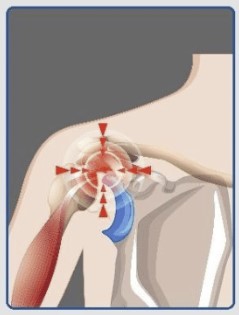
Pain increases and motion becomes increasingly limited.
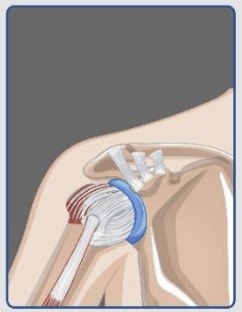
Frozen Stage
Pain may decrease but stiffness remains, severely restricting motion.
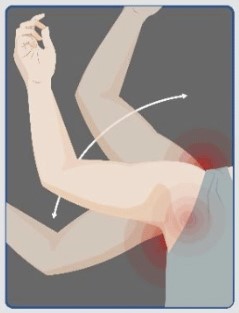
Thawing Stage
The shoulder slowly regains motion, often over months.
What is Frozen Shoulder
This progression can take many months to years if left unmanaged, which is why early recognition and comprehensive care are essential.
How Frozen Shoulder Can Develop from General Shoulder Pain
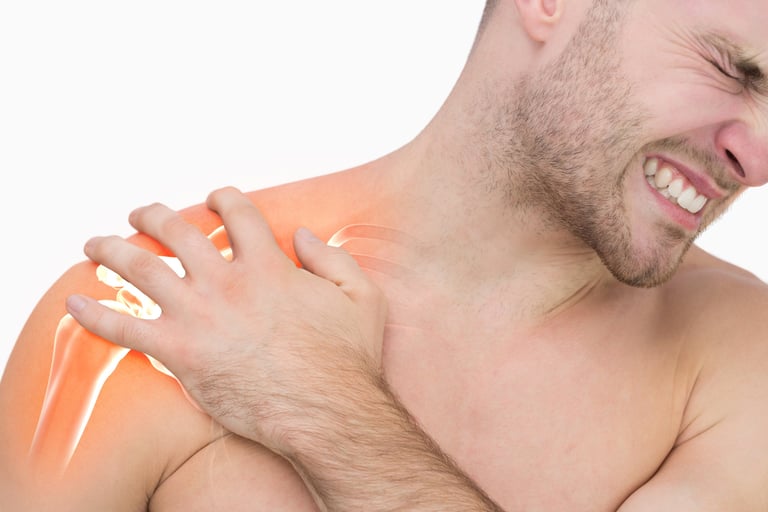
Not all shoulder pain becomes frozen shoulder, but untreated or poorly managed shoulder discomfort may contribute to movement avoidance and eventual stiffness. Other shoulder conditions — such as tendinopathies, impingement, rotator cuff strains, or postural imbalances — can limit normal shoulder use. Over time, lack of motion and inflammation can lead to capsular tightening and the development of adhesive capsulitis.

Natural Progression
This progression is often subtle and may be influenced by compensatory movement patterns, poor posture (such as forward head and rounded shoulders), and restricted spinal mobility that alters shoulder mechanics.
Why Early Recognition Matters
Proper evaluation with an experienced clinician can help distinguish between shoulder pain that may be reversible with targeted care and early adhesive capsulitis that requires a more integrated approach.



Integrated Care for Frozen Shoulder
Evidence-Based Rehabilitation and CBP-Informed Assessment
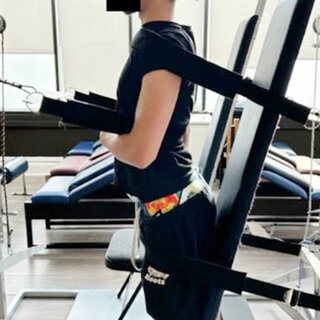
Chiropractic BioPhysics® (CBP) provides a foundation for understanding how spinal alignment and posture impact shoulder mechanics and movement. CBP-informed care focuses on addressing underlying compensatory patterns rather than only treating symptoms.
Therapeutic Exercise and Manual Therapy
Targeted exercises and manual therapy help improve range of motion, reduce stiffness, and support shoulder capsule mobilization.
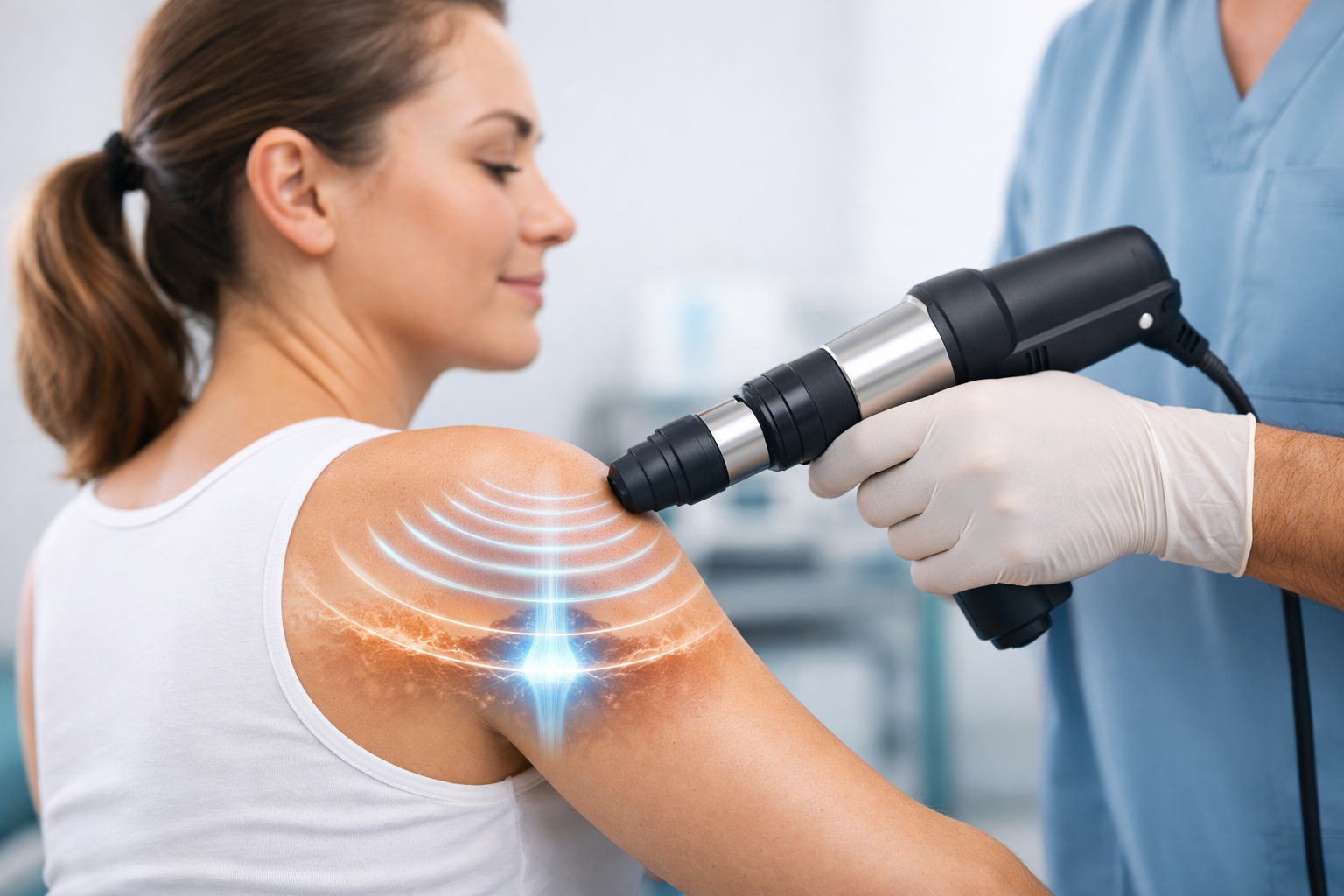
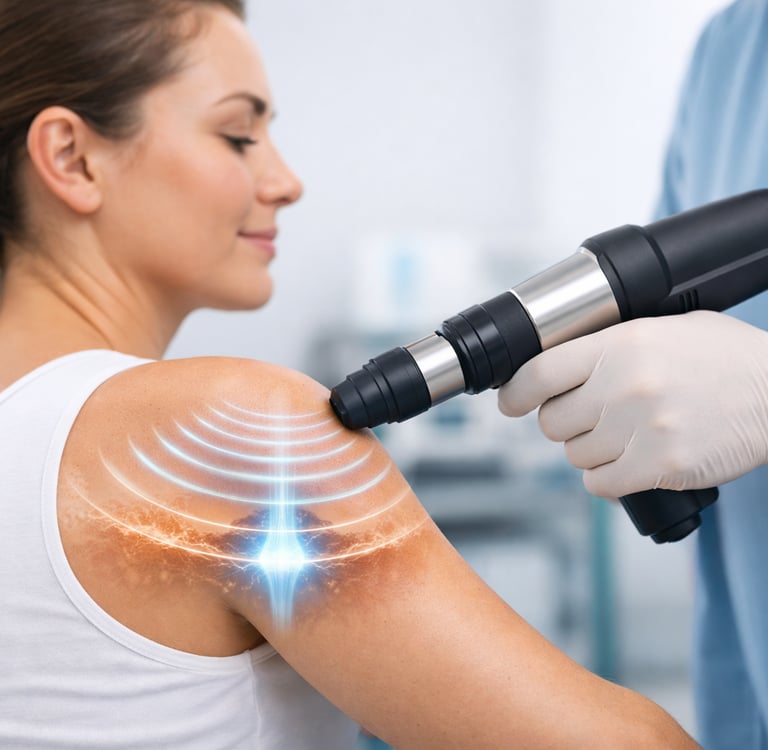
Extracorporeal shockwave therapy can be used to support shoulder tissue health and pain reduction, stimulate circulation, and promote flexibility when clinically appropriate.
Shockwave Therapy Support
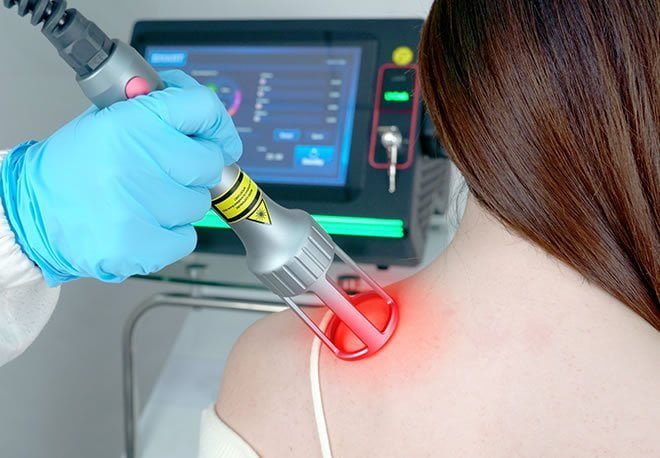
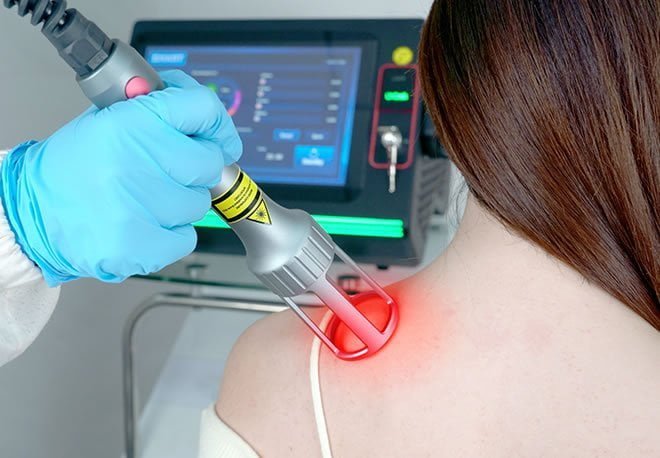
Low-level and high-intensity laser therapies have been studied for their potential to assist shoulder pain and range-of-motion limitations by targeting inflammation and tissue response.
Laser Therapy Support
Frozen shoulder is best managed with an integrated, individualized rehabilitation plan. At CBP Precision Spine Center, care may include:


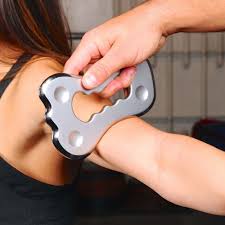
Medical-Based Therapeutic Massage
Soft tissue and medical massage techniques can be integrated to reduce muscular tension, improve tissue quality, and support functional mobility.
Combining these strategies helps support both pain reduction and functional gains without relying solely on temporary symptom relief measures.
Frequently asked questions
What causes frozen shoulder?
Frozen shoulder occurs when the shoulder joint capsule becomes thickened and tight, often after prolonged lack of motion, injury, surgery, or as a result of inflammatory processes within the shoulder capsule.
Can shockwave or laser help?
Yes. Shockwave and laser therapies may be used as part of an integrated care plan to support tissue response, circulation, and range of motion when clinically appropriate.
Is frozen shoulder the same as rotator cuff injury?
No. Rotator cuff injuries involve specific muscle or tendon damage, while frozen shoulder is a condition of the joint capsule causing stiffness and restricted motion. Clinical examination is required to differentiate between them.
Is surgery always needed?
No. Most cases are managed non-surgically with structured rehabilitation, movement retraining, and supportive therapies. Surgery is typically considered only when symptoms are severe and persistent despite conservative care.
Schedule a Frozen Shoulder Evaluation in Muscat, Oman
If shoulder pain, stiffness, or limited movement is affecting your daily life, contact CBP Precision Spine Center in Muscat, Oman to schedule a comprehensive evaluation with our clinical team led by Dr. Richard Marchetti, DC.
Our integrated approach — including spinal assessment, therapeutic rehabilitation, and supportive modalities such as shockwave and laser therapy — is designed to help you regain shoulder mobility and function.
Book your appointment today.

Chiropractor Near Me and For Me.
Experience for yourself what a huge difference Muscat's best chiropractor and Chiropractic BioPhysics© can make in your life.
CBP Precision Spine Center
Villa 336, 18th November St
Azaiba, Muscat
Oman, 130
Quick Links
Subscribe To Our News Letter!
info@CBPSJ.com
+968 7277 7796
© 2024. All rights reserved.