



Whiplash and Whiplash Trauma Treatment in Muscat, Oman
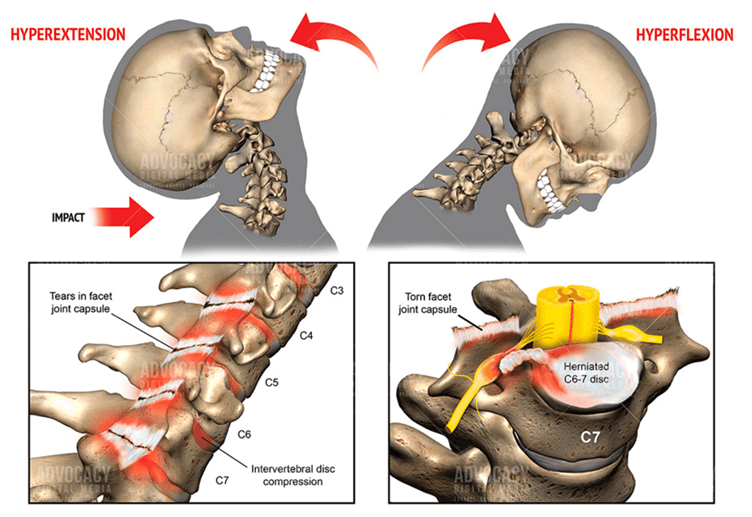
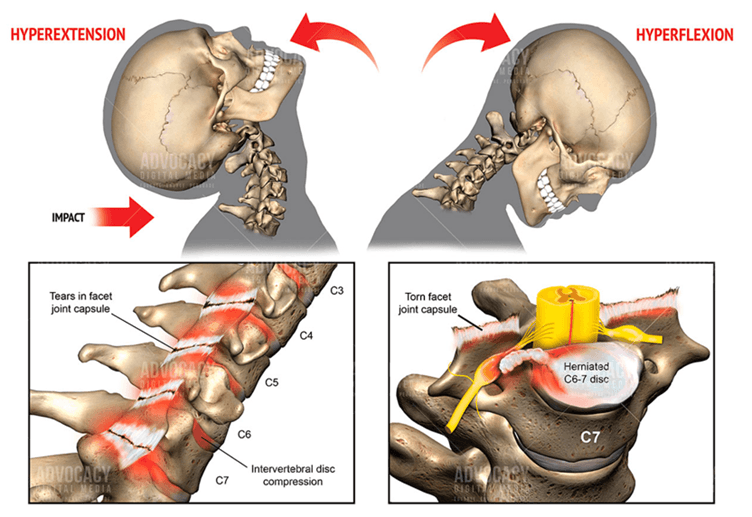
Whiplash and whiplash trauma are common injuries that most often occur during motor vehicle accidents but may also result from falls, sports injuries, or sudden impact incidents. These injuries involve rapid acceleration and deceleration of the head and neck, placing abnormal stress on the cervical spine, muscles, ligaments, discs, and nervous system.
At CBP Precision Spine Center in Muscat, Oman, whiplash care focuses on identifying both the immediate injury and the structural, postural, and biomechanical changes that may develop following trauma—using evidence-based, non-surgical strategies.
What Is Whiplash?
Whiplash is a traumatic neck injury caused by a sudden back-and-forth motion of the head and neck. This rapid movement may strain or injure soft tissues, alter spinal alignment, and disrupt normal cervical curvature.
Symptoms do not always appear immediately. In many cases, discomfort, stiffness, headaches, or neurological symptoms may emerge days or weeks after the initial trauma, making early evaluation important.

Common Causes of Whiplash Trauma
Whiplash injuries may result from:
Motor Vehicle Accidents, including rear-end or side-impact collisions





Falls or slips involving head and neck movement
Sports-related impacts or collisions
Symptoms Commonly Associated with Whiplash
Whiplash symptoms can vary in type and severity and may include:
Neck pain and stiffness
Headaches, often originating from the neck
Reduced cervical range of motion
Shoulder or upper back discomfort
Jaw or facial tension
Dizziness or visual disturbances
Tingling, numbness, or weakness in the arms
Difficulty with concentration or sleep
Because symptoms may progress over time, ongoing discomfort should not be ignored.
How Whiplash Is Evaluated at CBP Precision Spine Center
Whiplash evaluation at CBP Precision Spine Center in Muscat is comprehensive and designed to identify both traumatic injury and post-injury compensation patterns.
Assessment may include:
Detailed trauma history and symptom timeline
Postural and spinal alignment analysis
Cervical mobility and functional testing
Full orthopedic and neurological examination
Evaluation of spinal curves and biomechanics
Diagnostic imaging when clinically appropriate
This objective evaluation allows care to be guided by measurable findings rather than symptoms alone.
Why Early Whiplash Care Matters
Without proper evaluation and management, whiplash trauma may contribute to chronic neck pain, headaches, postural changes, and reduced function. Early identification of spinal and postural changes can help guide care strategies that support recovery and reduce the likelihood of persistent symptoms.
Frequently asked questions
What is whiplash trauma?
Whiplash trauma occurs when the head and neck are rapidly forced forward and backward, commonly during motor vehicle accidents, falls, or sports impacts. This sudden motion can strain muscles and ligaments, alter spinal alignment, affect discs, and irritate the nervous system.
Can whiplash symptoms be delayed?
Yes. Whiplash symptoms may appear hours, days, or even weeks after an incident. Neck pain, stiffness, headaches, dizziness, or neurological symptoms can develop gradually as inflammation, muscle guarding, or postural changes progress.
How do I know if my neck pain is from whiplash?
Neck pain following an accident, fall, or sudden impact — especially when accompanied by stiffness, headaches, reduced movement, or shoulder discomfort — may be related to whiplash. A professional evaluation is required to determine whether whiplash trauma is present and identify contributing factors.
Can whiplash cause headaches or dizziness?
Yes. Whiplash injuries may affect the cervical spine, soft tissues, and neurological structures, which can contribute to cervicogenic headaches, tension headaches, or dizziness in some individuals.
Is imaging always required after whiplash?
Not always. Imaging such as X-rays or advanced scans may be recommended when clinically appropriate, depending on symptoms, trauma severity, and examination findings. Imaging helps assess spinal alignment, disc integrity, structural integrity and structural changes when needed.
How does Chiropractic BioPhysics® (CBP) help with whiplash injuries?
CBP focuses on spinal alignment, posture, and biomechanics. Following whiplash trauma, CBP-based care may be used to address altered cervical curves, postural compensation, and movement dysfunction rather than focusing only on temporary pain relief.
Can whiplash lead to long-term problems if untreated?
In some cases, unmanaged whiplash injuries may contribute to chronic neck pain, headaches, postural changes, reduced mobility, or persistent discomfort. Early evaluation supports appropriate monitoring and non-surgical management strategies.
When should I seek care for whiplash?
You should consider a professional evaluation if you experience neck pain, stiffness, headaches, dizziness, arm symptoms, or reduced movement following an accident or impact — even if symptoms seem mild initially.
Is whiplash care appropriate for adults and adolescents?
Yes. Whiplash evaluation and care may be appropriate for adults, adolescents, and older individuals, depending on clinical findings and injury mechanisms.
Schedule a Whiplash Evaluation in Muscat, Oman
If you have experienced trauma and are concerned about whiplash-related symptoms, contact CBP Precision Spine Center in Muscat, Oman to schedule a comprehensive evaluation with Dr. Richard Marchetti and our clinical team.

Chiropractor Near Me and For Me.
Experience for yourself what a huge difference Muscat's best chiropractor and Chiropractic BioPhysics© can make in your life.


CBP Precision Spine Center
Villa 336, 18th November St
Azaiba, Muscat
Oman, 130
Quick Links
Subscribe To Our News Letter!
info@CBPSJ.com
+968 7277 7796
© 2024. All rights reserved.