


What is Scoliosis?
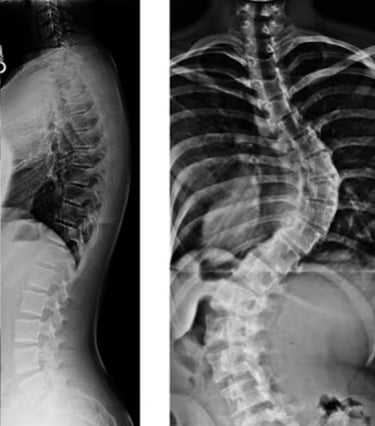
Scoliosis is a structural spinal condition in which the spine curves abnormally from side to side and often rotates along its axis instead of maintaining a straight alignment when viewed from the back. This condition may take an “S” or “C” shape and occurs most often during periods of rapid growth such as adolescence, though it can develop at any age.
How Scoliosis Affects the Spine
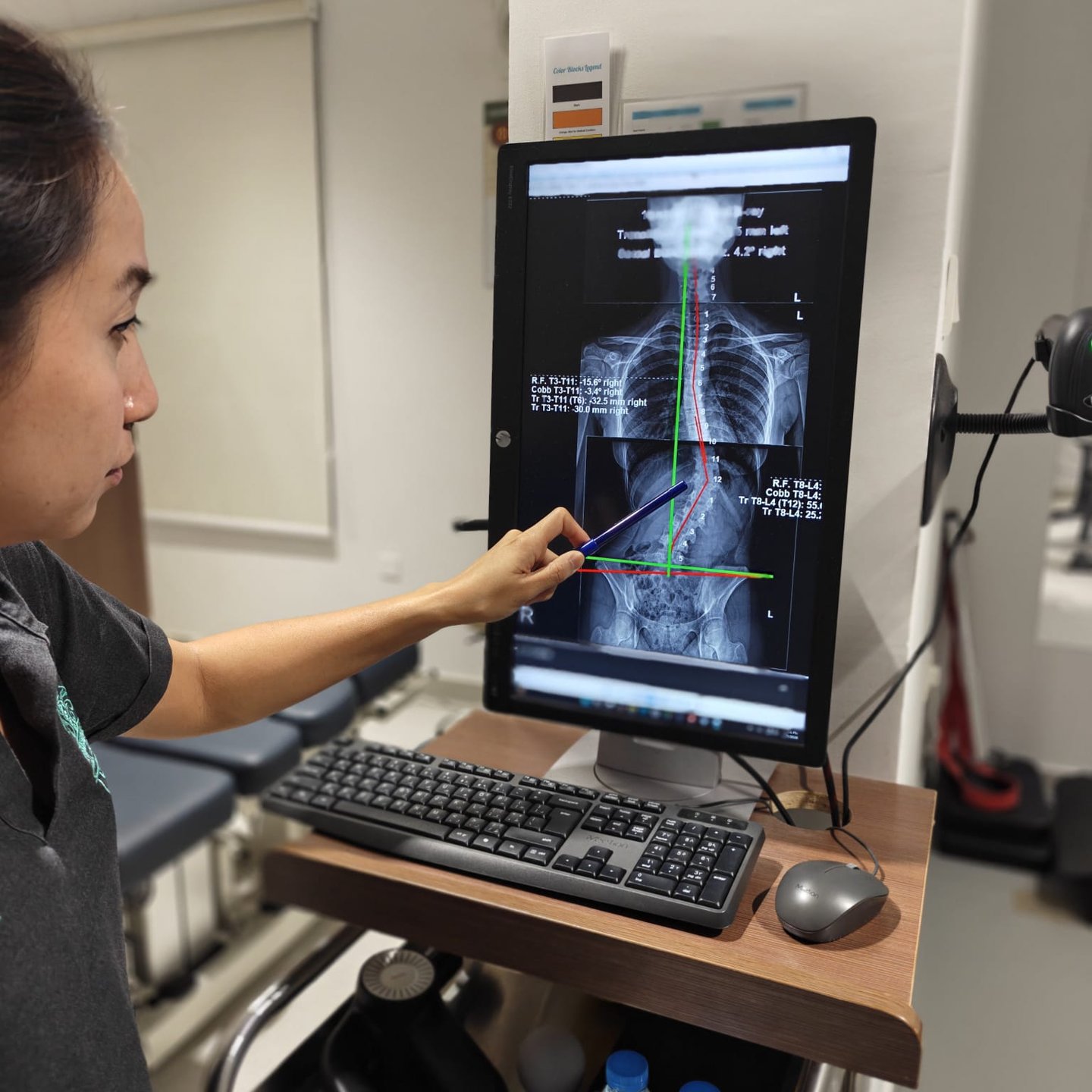
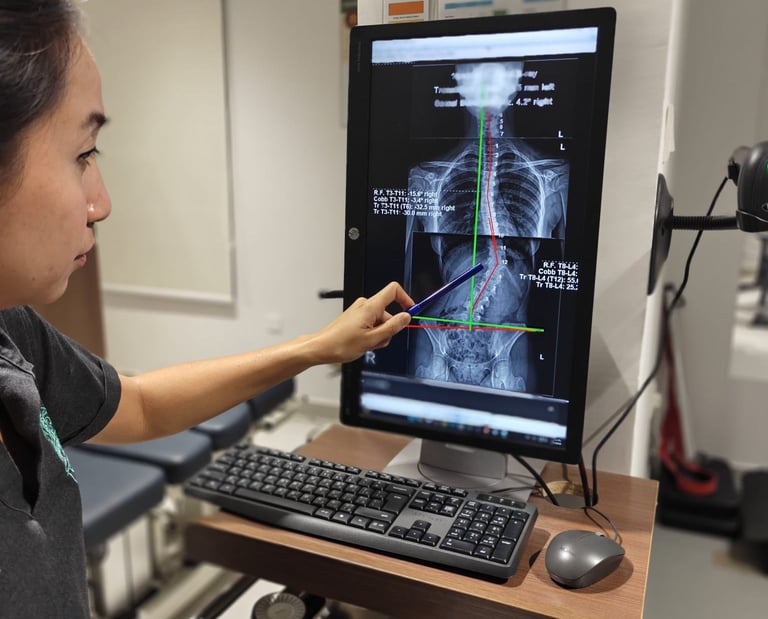
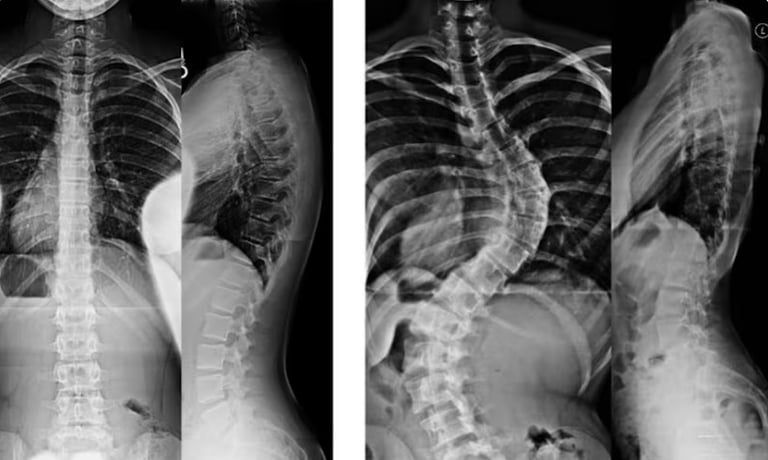
In a healthy spine, the vertebrae form a vertical column with gentle front-to-back curves. In scoliosis, the spinal column also curves sideways in the frontal plane and may rotate, which can cause asymmetry in posture and appearance.
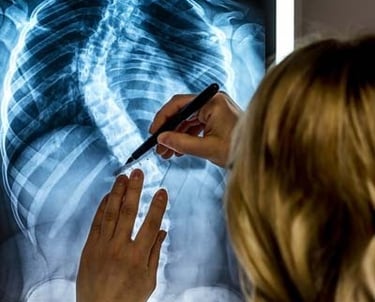
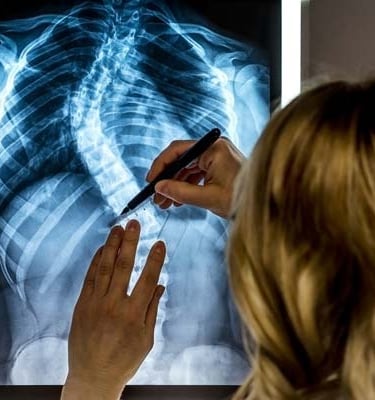
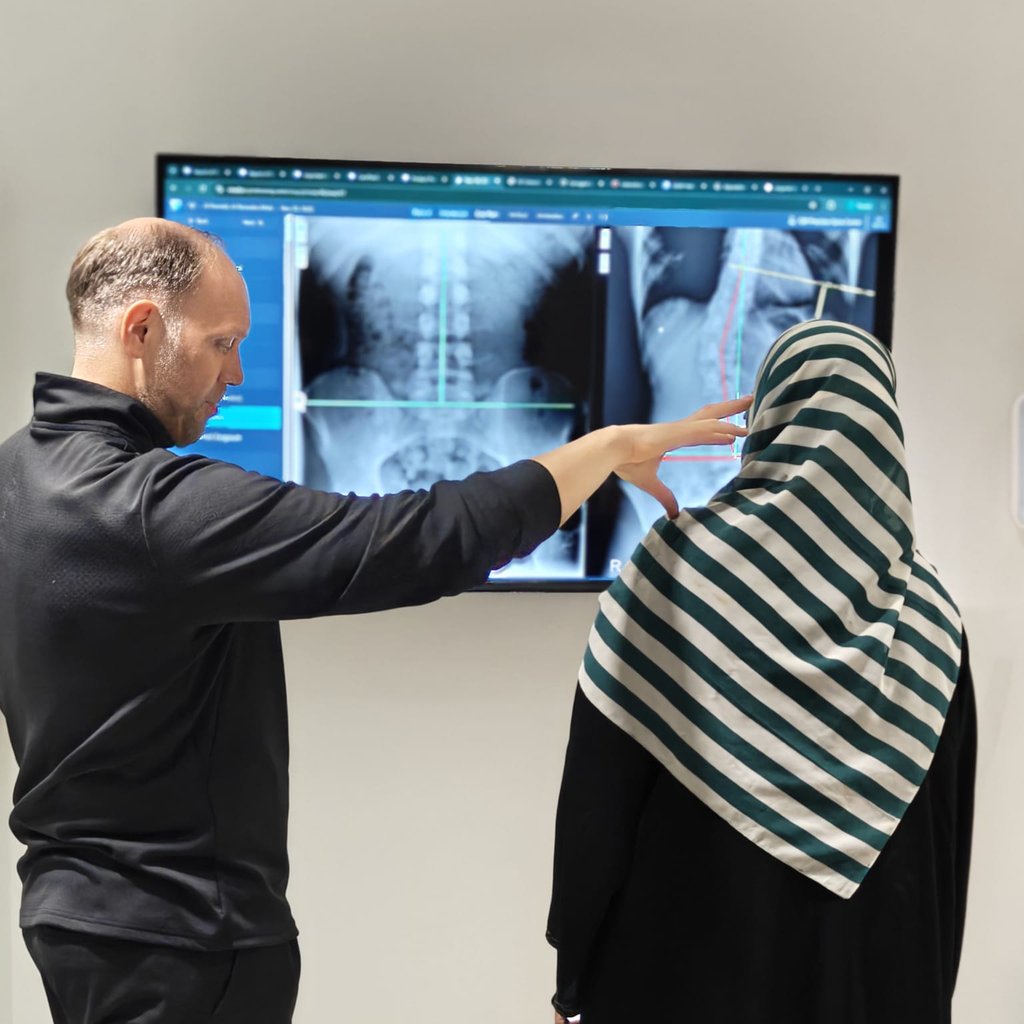
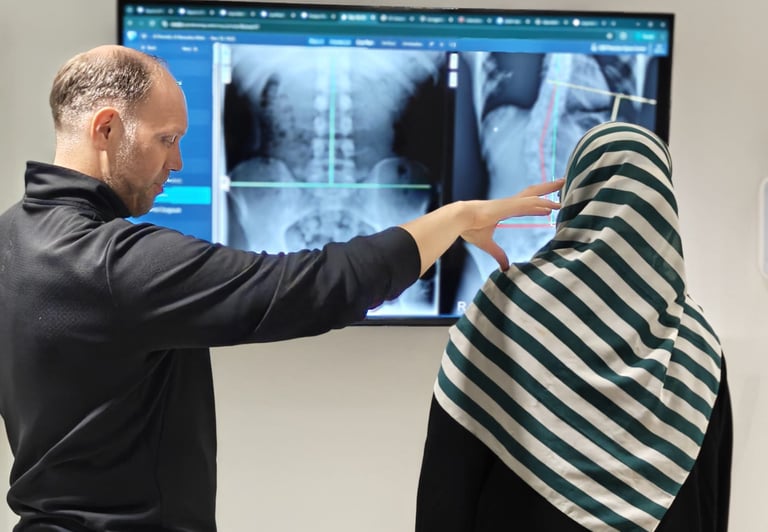
A diagnosis of scoliosis is generally considered when the spinal curvature exceeds a defined threshold on imaging studies, most commonly measured using the Cobb angle on X-rays.
Causes and Risk Factors
Most cases of scoliosis have an unknown cause (idiopathic), but risk factors can include family history, rapid growth during puberty, and certain genetic and environmental influences.
In other cases, scoliosis may be associated with congenital spinal abnormalities, neuromuscular conditions, or degenerative changes in adult spines.
Common Types of Scoliosis
Idiopathic Scoliosis
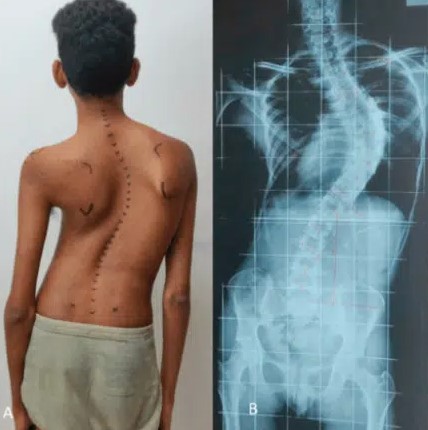
This is the most common type and often has no clearly identifiable cause. It frequently appears during late childhood or adolescence and may progress as the individual grows.
Congenital Scoliosis
Caused by vertebral anomalies present at birth, congenital scoliosis results from incomplete spinal development in the womb.
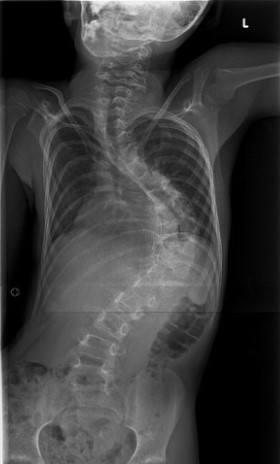
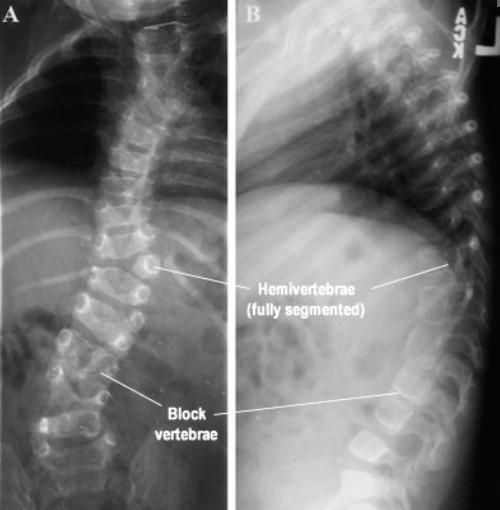
Associated with neurological or muscular disorders (such as cerebral palsy or muscular dystrophy), this form arises due to imbalanced support of the spine.
Neuromuscular Scoliosis
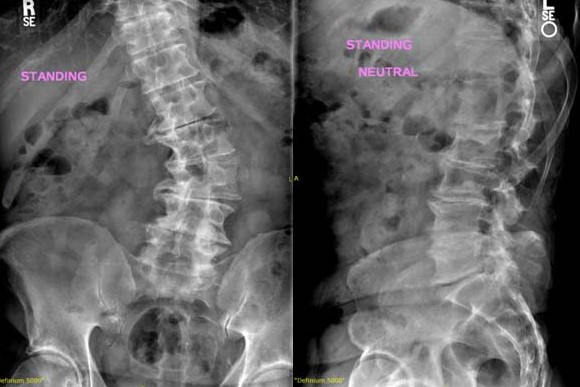
This form may develop in adulthood as spinal disks and joints degenerate with age, leading to lateral curving and imbalance.
Degenerative Scoliosis
How Scoliosis Is Diagnosed
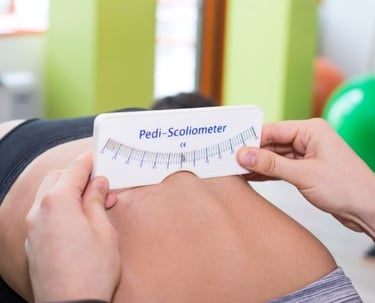
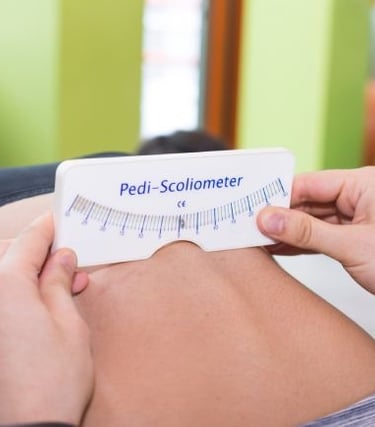
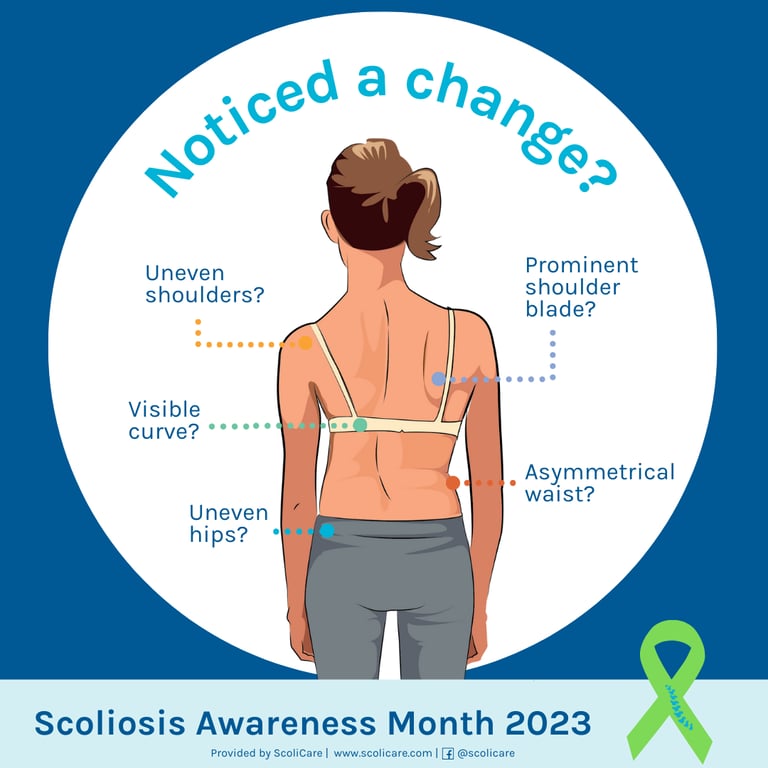
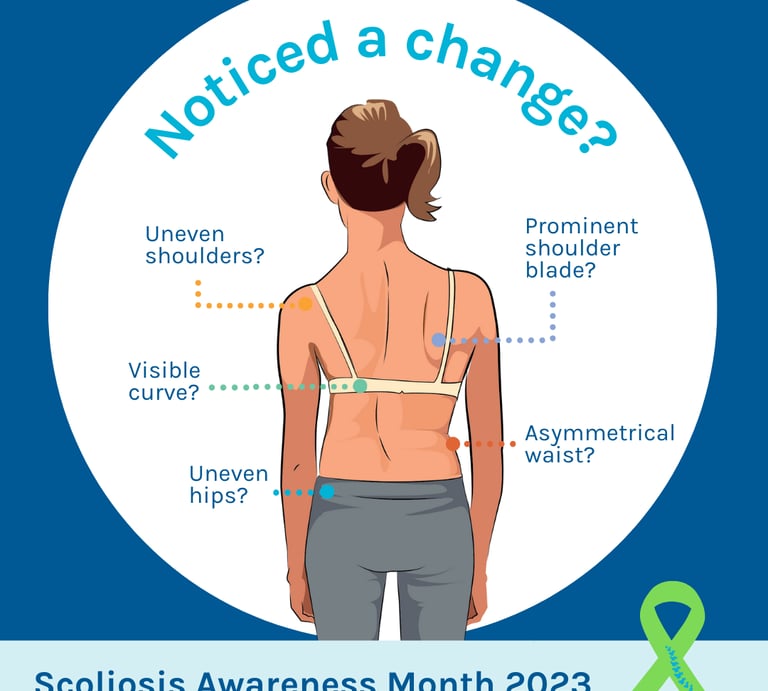
Diagnosis begins with a clinical evaluation that includes a detailed history and physical exam. A provider may observe shoulder, hip, or waist asymmetry, or uneven posture. Imaging studies, such as X-rays, are used to confirm the curvature’s presence and measure its severity.
Natural History and Progression
In many individuals, mild scoliosis remains stable and does not cause significant symptoms. However, curves that progress over time — especially during growth spurts — may affect posture, mobility, and comfort. Severe curvatures can influence the mechanical function of the spine and surrounding tissues if not monitored and managed appropriately.
Why Early Recognition Matters
Early detection of scoliosis enables timely assessment and monitoring. For children and adolescents, routine screenings during rapid growth phases help determine whether curves are progressing. Early recognition supports planning of appropriate interventions, including monitoring, bracing, and supportive therapies as indicated.
Schedule a Scoliosis Evaluation
If you’ve noticed signs of scoliosis — such as uneven shoulders, asymmetric hips, or changes in posture — or if you’ve already been diagnosed and want a comprehensive evaluation, contact CBP Precision Spine Center in Muscat, Oman to schedule a scoliosis assessment with our clinical team.

Chiropractor Near Me and For Me.
Experience for yourself what a huge difference Muscat's best chiropractor and Chiropractic BioPhysics© can make in your life.
CBP Precision Spine Center
Villa 336, 18th November St
Azaiba, Muscat
Oman, 130
Quick Links
Subscribe To Our News Letter!
info@CBPSJ.com
+968 7277 7796
© 2024. All rights reserved.