


The Silent Spine Destroyer: How 85% of Oman Residents Unknowingly Damage Their Vertebrae Every Day
Living in sunny Oman but still have vitamin D deficiency? Discover how this silent epidemic is destroying spines across the GCC and what you can do.
Dr. Richard Marchetti, DC
5/24/20269 min read
The Oman Paradox: Abundant Sunshine, Epidemic Deficiency
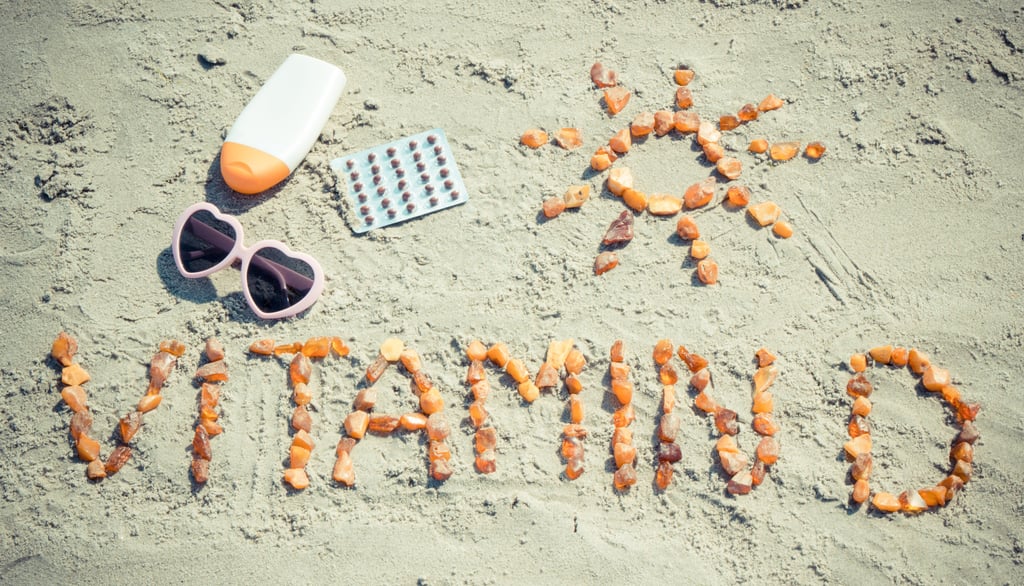
You live in a country that receives over 3,000 hours of sunlight annually. The Arabian Peninsula is one of the sunniest regions on Earth. Yet if you're reading this in Muscat, Dubai, or anywhere across the GCC, you almost certainly have a vitamin D deficiency that's quietly weakening your spine right now.
Studies across Gulf countries consistently show vitamin D deficiency rates between 70-90% of the population. In Oman specifically, research published in 2023 found that 85% of adults had insufficient vitamin D levels, with over 60% being severely deficient.
This isn't just a number in a research paper. It's a silent epidemic that's systematically weakening the bones of millions of people across the Middle East, and your spine – the structural foundation of your entire body – is often the first place the damage shows up.
What Causes Vitamin D Deficiency in One of the World's Sunniest Countries?
The answer challenges everything most people assume about vitamin D and sun exposure.
The Cultural Coverage Factor
In Oman and across the Gulf, cultural dress norms significantly limit skin exposure to UV-B radiation needed for vitamin D synthesis. Full or near-full body coverage can reduce vitamin D production by up to 95%, regardless of time spent outdoors.
This isn't a criticism of cultural practices – it's simply the biochemical reality of how vitamin D synthesis works. The skin needs direct UV-B exposure on significant surface areas to produce adequate amounts.
Heat-Driven Indoor Living
Outdoor activity during Oman's summer months (May through September) is practically impossible during peak UV hours. When temperatures reach 45-50°C, people naturally spend the brightest, most UV-intense parts of the day indoors.
This creates a catch-22: the times when vitamin D production would be optimal are exactly when it's too dangerous to be outside. As we discuss in our comprehensive analysis of summer heat and spinal dehydration, the extreme temperatures that force people indoors also directly affect spinal disc health, creating a compound problem for spine integrity.
Skin Tone and Synthesis Requirements
Darker skin contains more melanin, which acts as a natural sunscreen by absorbing UV radiation. While this provides excellent protection against skin cancer, it also means that people with darker skin tones need 3-6 times longer sun exposure to produce the same amount of vitamin D as lighter skin.
For many residents of Oman, the combination of limited skin exposure, indoor living, and higher melanin levels creates a perfect storm for deficiency.
The Sunscreen Paradox
Even minimal sunscreen use (SPF 8) can reduce vitamin D synthesis by up to 95%. As awareness of skin cancer risks has increased across the GCC, sunscreen adoption has inadvertently contributed to the vitamin D crisis.
Dietary Gaps in Traditional Gulf Cuisine
Natural food sources of vitamin D – fatty fish, egg yolks, fortified dairy products – are not traditional staples of Gulf cuisine in quantities sufficient to compensate for limited skin synthesis. Most people across Oman consume less than 100 IU of vitamin D daily from food, while optimal health requires 1,000-4,000 IU daily.
How Vitamin D Deficiency Systematically Destroys Your Spine
The Calcium Absorption Crisis
Vitamin D's primary function in bone health is enabling calcium absorption from your intestines. Without adequate vitamin D, your body can absorb only 10-15% of dietary calcium, compared to 30-40% with optimal levels.
When blood calcium levels drop, your body responds immediately and automatically: it dissolves calcium from your bones to maintain essential blood chemistry. This process, called bone resorption, happens 24 hours a day when vitamin D is deficient.
Over months and years, this progressive bone mining reduces bone mineral density throughout your skeleton – but the spine, which bears constant compressive load, shows damage first and most severely.
Understanding the Bone Density Spectrum
Osteopenia describes below-normal bone density that hasn't yet reached the threshold for osteoporosis. Many people in their 40s and 50s across Oman have osteopenia without knowing it.
Osteoporosis describes significantly reduced bone density that materially increases fracture risk. The diagnosis requires bone density testing – a quick, non-invasive assessment available at CBP Precision Spine Center and medical facilities throughout Muscat.
The frightening reality: Osteoporosis has no symptoms until something breaks. By the time you feel pain, significant structural damage has already occurred.
What Happens to Your Spine Specifically
As vertebral bone density declines, your spine becomes progressively unable to handle normal daily loads safely. The consequences are structural and often irreversible:
Vertebral Compression Fractures
The most common osteoporotic fracture, these occur when a weakened vertebra collapses under normal compressive load. They can happen from:
Bending forward to pick up groceries
Lifting a grandchild
Coughing or sneezing forcefully
Simply getting out of bed wrong
Many compression fractures cause no immediate pain, meaning people can have multiple fractures without knowing it until postural deformity becomes obvious.
Progressive Height Loss
As vertebrae compress, total height decreases measurably. People with severe spinal osteoporosis commonly lose 2-6 centimeters of height per decade – a change that represents significant structural failure of the spine.
Thoracic Kyphosis (Dowager's Hump)
As the front portions of vertebrae collapse more than the back portions, the thoracic spine curves progressively forward, creating the characteristic rounded upper back associated with advanced osteoporosis.
This isn't cosmetic. It represents structural failure that:
Compresses internal organs
Restricts breathing capacity
Alters head and neck positioning
Creates chronic pain and disability
Who is Most at Risk in the GCC Population?
Post-Menopausal Women: The Highest Risk Group
Estrogen plays a crucial role in suppressing bone breakdown. After menopause, estrogen levels plummet and bone loss accelerates rapidly. Combined with pre-existing vitamin D deficiency common across Oman, this creates compound risk.
Research shows post-menopausal women in Gulf countries can lose 2-5% of bone density annually without intervention.
Men Over 50: The Underdiagnosed Population
Male osteoporosis is severely underdiagnosed across the Middle East. Testosterone functions similarly to estrogen in bone protection, and its gradual decline after age 50, combined with vitamin D insufficiency, produces clinically significant bone loss that's rarely screened.
The Sedentary Office Population
Weight-bearing mechanical loading is one of the most powerful stimuli for bone formation. Every step, squat, and resistance exercise sends compression signals through the skeleton that prompt new bone formation.
The sedentary, indoor lifestyle common across Oman's office-working population dramatically reduces this bone-building stimulus. This connects to our analysis of how prolonged sitting and modern work environments affect overall spinal health, creating compound risks for bone and structural integrity.
Medication-Related Risk
Long-term use of certain medications increases osteoporosis risk:
Corticosteroids (for asthma, inflammatory conditions) – the most common cause of medication-induced bone loss
Proton pump inhibitors (for acid reflux) – reduce calcium absorption
Certain antidepressants – affect bone metabolism
Anticonvulsants – interfere with vitamin D metabolism
The CBP Precision Spine Center Approach to Osteoporotic Spines
Let's be clear about scope: osteoporosis is a medical condition requiring physician management. We're not primary treatment providers for bone density – your GP or endocrinologist handles that critical aspect.
What we offer is specialized structural assessment and care for the spinal consequences of bone density loss, utilizing our expertise as the only corrective chiropractic clinic in Oman.
Early Detection Through Structural Analysis
Our comprehensive postural and spinal analysis can identify changes in vertebral shape, spinal curve geometry, and alignment patterns consistent with bone density loss – often before compression fractures are obvious.
These findings prompt important conversations with your physician and can guide timely bone density testing before more serious structural damage occurs.
We flag every patient showing structural signs consistent with bone density concerns. We never guess, and we never stay silent when we see red flags.
Modified CBP Techniques for Compromised Spines
For patients diagnosed with osteoporosis or osteopenia, we do NOT use high-velocity, high-force adjustment techniques. Instead, we apply specifically modified Chiropractic BioPhysics® approaches using:
Low-force, instrument-assisted adjustments that improve alignment without mechanical stress
Gentle spinal traction protocols to decompress vertebrae and reduce compressive loading
Postural restoration techniques to reduce forward head posture and thoracic kyphosis
Movement education to reduce fracture risk during daily activities
Goals of Structural Care in Osteoporotic Patients
Reduce thoracic kyphosis to decrease anterior vertebral compression
Improve lumbar curve geometry to distribute load more evenly
Reduce pain and improve mobility for better quality of life
Prevent progression of postural collapse and spinal deformity
Education on safe movement patterns to reduce fracture risk
Advanced Treatment Options for Bone Health Support
In addition to structural correction, we offer complementary therapies that support bone and tissue health:
Class 4 Laser Therapy for Enhanced Healing
Our advanced pain-free laser therapy promotes cellular healing and can support bone metabolism and pain reduction in patients with osteoporotic spines. This drug-free approach is particularly valuable for older adults who may have medication sensitivities or interactions.
Special Considerations for Patients with Scoliosis and Bone Loss
Patients with both scoliosis and osteoporosis face compound challenges, as bone density loss can accelerate curve progression and increase vertebral deformity. Our specialized scoliosis treatment protocols can be carefully adapted for patients with compromised bone density, focusing on:
Preventing curve progression through postural support
Reducing pain and improving function
Maintaining spinal flexibility safely
Coordinating with medical management of bone density
Your Action Plan: What to Do Right Now
If you've never had vitamin D or bone density assessed, here's your step-by-step protocol:
Step 1: Get Blood Testing
Request a 25(OH)D serum level from your GP. This routine blood test is available at any clinic in Muscat. Normal interpretation:
Deficient: Below 50 nmol/L (20 ng/mL)
Insufficient: 50-75 nmol/L (20-30 ng/mL)
Optimal: 75-125 nmol/L (30-50 ng/mL)
Step 2: Request Bone Density Screening
Ask for a DEXA scan if you're:
Post-menopausal (any age)
Male over 50
Have family history of osteoporosis
Taking long-term steroids or other bone-affecting medications
Have height loss or developing rounded upper back
Step 3: Address Vitamin D Deficiency
If deficient, supplementation should be physician-guided based on your blood levels:
Mild deficiency: 1,000-2,000 IU daily
Moderate deficiency: 3,000-4,000 IU daily
Severe deficiency: 5,000-10,000 IU daily for 8-12 weeks, then maintenance
Critical: High-dose supplementation requires medical supervision and follow-up testing.
Step 4: Optimize Calcium and Cofactors
Vitamin D works synergistically with:
Calcium: 1,000-1,200 mg daily (food plus supplements)
Magnesium: 400-600 mg daily (often deficient in Gulf populations)
Vitamin K2: 100-200 mcg daily (directs calcium to bones, not arteries)
Step 5: Implement Weight-Bearing Exercise
Bone responds to mechanical loading. Essential activities include:
Daily walking: Minimum 30 minutes
Resistance training: 2-3 times weekly
Balance exercises: To prevent falls and fractures
Posture-strengthening exercises: To counteract spinal compression
Step 6: Get Structural Assessment
If you have any risk factors above, book a comprehensive spinal evaluation at CBP Precision Spine Center. We'll assess:
Current spinal alignment and posture
Signs of vertebral compression or height loss
Functional movement patterns
Risk factors for progression
Early detection and intervention can prevent irreversible structural damage.
Special Considerations for GCC Residents
Ramadan and Bone Health
Intermittent fasting during Ramadan can affect vitamin D metabolism and bone health, especially when:
Fasting occurs during summer months with limited daylight eating hours
Calcium and vitamin D intake is reduced during shortened eating windows
Physical activity decreases due to fatigue and schedule disruption
Recommendation: Discuss vitamin D supplementation timing with your physician during Ramadan months.
Workplace Factors in Oman
Many professionals in Muscat work in environments that compound bone health risks:
Underground or windowless offices with zero UV exposure
Shift work patterns that limit optimal sun exposure timing
Sedentary job demands with minimal weight-bearing activity
High stress levels that can accelerate bone loss
Air Conditioning and Bone Health
Constant air conditioning, while necessary in Oman's climate, creates additional vitamin D challenges:
Reduces motivation for outdoor activity
Eliminates incidental sun exposure during commuting
May affect circadian rhythms that influence bone metabolism
The Connection Between Pregnancy and Long-Term Bone Health
For women who have experienced pregnancy-related back pain, there's an important long-term consideration: pregnancy itself affects bone density. As discussed in our comprehensive guide to pregnancy and postpartum back pain, the hormonal changes and increased calcium demands during pregnancy can deplete bone stores, making post-pregnancy women more susceptible to early onset osteoporosis, especially when combined with vitamin D deficiency.
This makes vitamin D optimization particularly crucial for women in their childbearing years in the GCC, where deficiency rates are already high.
Frequently Asked Questions
Can I get enough vitamin D from sun exposure in Oman?
Theoretically yes, practically no. UVB radiation sufficient for vitamin D synthesis is available in Oman roughly between 9 AM and 3 PM. However, given typical dress norms, heat avoidance, and skin tone considerations, most residents achieve minimal synthesis even on sunny days.
The only way to know your actual level is blood testing.
Can spinal osteoporosis be reversed?
Bone density can be improved with appropriate medical treatment (bisphosphonates, denosumab, etc.), adequate vitamin D and calcium, and weight-bearing exercise.
However, structural spinal changes – particularly established compression fractures and kyphotic deformity – cannot be fully reversed. This is why early identification and prevention are crucial.
Is spinal care safe with osteoporosis?
Standard high-velocity manipulation is inappropriate for osteoporotic patients. However, modified low-force CBP techniques are specifically adapted for reduced bone density and can be applied safely with careful assessment.
At CBP Precision Spine Center, every patient with known or suspected osteoporosis receives a specifically modified care protocol that prioritizes safety while optimizing function.
My blood test shows "low normal" vitamin D. Should I be concerned?
Low-normal is not optimal. Many laboratory reference ranges for vitamin D are set conservatively and don't reflect levels associated with optimal musculoskeletal health.
If your level is below 75 nmol/L (30 ng/mL), discuss supplementation with your physician – particularly if you have any risk factors discussed in this guide.
How quickly does vitamin D deficiency damage bones?
Bone loss from vitamin D deficiency is gradual but relentless. Significant changes typically take months to years to develop, but once established, bone loss accelerates progressively.
The critical point: Waiting for symptoms means waiting too long. Osteoporosis is called a "silent disease" because significant bone loss occurs before any warning signs appear.
Should I be concerned about osteoporosis if I have scoliosis?
Yes. Scoliosis and osteoporosis can compound each other's effects. Curved spines create uneven loading that can accelerate bone loss in certain areas, while bone loss can worsen spinal curvatures.
If you have scoliosis, discuss both bone density testing and vitamin D optimization with your healthcare provider, regardless of age.
The Bottom Line: Your Spine's Future is in Your Hands
Every day of vitamin D deficiency is another day your body dissolves calcium from your vertebrae to maintain blood chemistry. Every month of sedentary living is another month without the bone-building stimulus your spine needs.
But here's the encouraging truth: bone responds to proper intervention at any age. Whether you're 35 and want to build peak bone mass or 65 and focused on preventing further loss, the right combination of vitamin D optimization, proper nutrition, weight-bearing exercise, and structural spinal care can dramatically improve your bone health trajectory.
Don't wait for a compression fracture to tell you what a blood test can reveal today.
📍 CBP Precision Spine Center
Villa 336, 18 November Street, Azaiba, Muscat, Oman
📞 +968 7277 7796
✉️ info@CBPSJ.com
🌐 www.cbpsj.com
Book your comprehensive spinal and bone health assessment today. Because the strongest spines are built proactively, not reactively.
CBP Precision Spine Center
Villa 336, 18th November St
Azaiba, Muscat
Oman, 130
Quick Links
Subscribe To Our News Letter!
info@CBPSJ.com
+968 7277 7796
© 2024. All rights reserved.