


Scoliosis in Children: Why Early Screening and Advanced ScoliBrace® Care Matter
Scoliosis is a progressive spinal condition that often develops during childhood and adolescence—frequently without pain or obvious symptoms in its early stages. In regions such as Muscat, Oman, and across the GCC, scoliosis awareness and early screening remain critical yet underutilized tools in protecting long-term spinal health. At CBP Precision Spine Center, we emphasize early detection, objective assessment, and evidence-based scoliosis management, including collaboration with modern bracing systems such as ScoliBrace, to support growing spines during their most responsive stages of development.
CHIROPRACTIC CARESCOLIOSIS MANAGEMENT
DR. Richard Marchetti
1/11/20262 min read
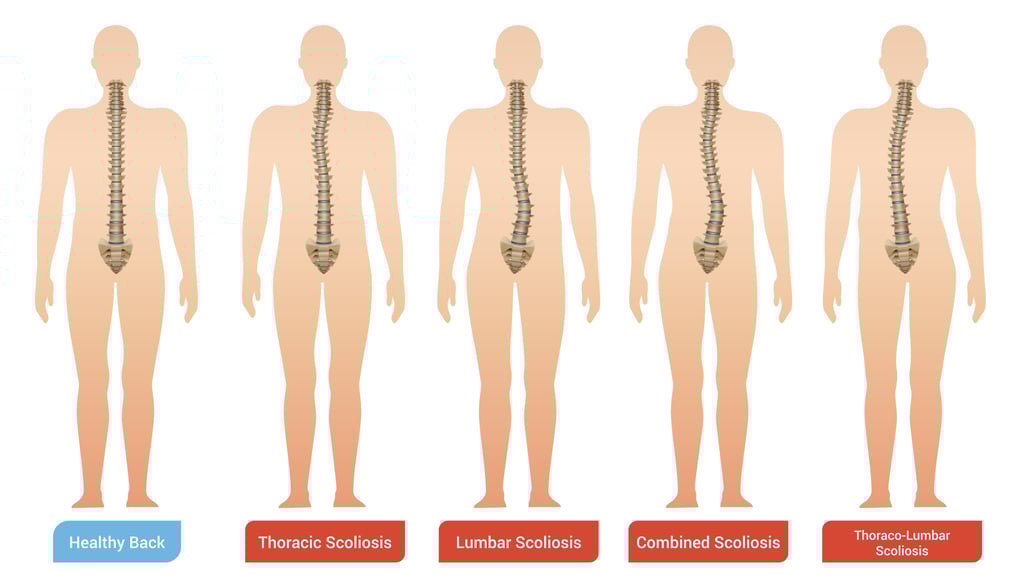
Scoliosis is a progressive spinal condition that often develops during childhood and adolescence—frequently without pain or obvious symptoms in its early stages. In regions such as Muscat, Oman, and across the GCC, scoliosis awareness and early screening remain critical yet underutilized tools in protecting long-term spinal health.
At CBP Precision Spine Center, we emphasize early detection, objective assessment, and evidence-based scoliosis management, including collaboration with modern bracing systems such as ScoliBrace, to support growing spines during their most responsive stages of development.
Understanding Scoliosis in Children and Adolescents
Scoliosis is a three-dimensional spinal condition involving abnormal lateral curvature, vertebral rotation, and postural imbalance. The most common form, adolescent idiopathic scoliosis (AIS), typically appears between the ages of 8 and 16—often during periods of rapid growth.
Because many children with scoliosis experience little to no discomfort, spinal curves can progress undetected unless a structured screening or evaluation is performed. Over time, unmonitored scoliosis may contribute to postural compensation, spinal stiffness, reduced lung capacity in severe cases, and long-term musculoskeletal strain.
Why Early Scoliosis Screening Is So Important
Early scoliosis screening allows clinicians to identify spinal changes before curves become rigid or advanced. Growth spurts during childhood and adolescence present the highest risk period for curve progression.
Early evaluation can:
Establish a baseline measurement of spinal alignment
Detect changes in posture and spinal balance during growth
Guide timely intervention when appropriate
Reduce the likelihood of advanced curvature later in life
Expand non-surgical management options
For families in Muscat and the GCC region, early screening also helps parents make informed decisions at the right time—rather than reacting after scoliosis has significantly progressed.
When Is Scoliosis Bracing Recommended?
Not every scoliosis case requires bracing. Clinical guidelines typically consider factors such as:
Curve magnitude
Skeletal maturity
Rate of curve progression
Age and growth potential
When bracing is recommended, brace quality, design, and fit play a vital role in outcomes.
Why ScoliBrace® Is Considered One of the Most Advanced Scoliosis Bracing Systems Available
Modern scoliosis bracing has evolved significantly. Unlike traditional braces that focus mainly on halting progression, ScoliBrace® utilizes advanced 3D assessment, individualized spinal modeling, and biomechanical principles to address scoliosis as a three-dimensional condition.
Key benefits of ScoliBrace® include:
Customized brace design based on the child’s unique spinal pattern
Three-dimensional correction targeting rotation, lateral curvature, and posture
Improved comfort, encouraging better compliance
Non-invasive management during active growth stages
Integration with rehabilitation and posture-based care programs
This individualized approach allows clinicians to support spinal alignment while accommodating growth and daily activities—an important consideration for children and adolescents.
The Importance of a Comprehensive Scoliosis Care Approach
Advanced bracing is most effective when combined with ongoing monitoring and structured care. At CBP Precision Spine Center, scoliosis management may involve:
Objective posture and spinal assessments
Growth and progression tracking
Corrective spinal rehabilitation strategies
Postural and movement-based support
Periodic reassessment to adapt care as the child grows
This approach aligns with Chiropractic BioPhysics® (CBP®) principles, which focus on measurable spinal alignment, structural correction, and long-term functional outcomes rather than symptom-based care alone.
A Message for Parents in Muscat and the GCC
Scoliosis is not simply a cosmetic issue, nor is it something to delay evaluating. Early assessment does not mean unnecessary treatment—it means gaining clarity, tracking progression, and protecting future spinal health.
Parents who notice uneven shoulders, postural changes, or asymmetry—or who have a family history of scoliosis—are encouraged to seek a professional evaluation during their child’s growth years.
Scoliosis Evaluation at CBP Precision Spine Center in Muscat, Oman
At CBP Precision Spine Center, we provide evidence-based scoliosis evaluations, advanced diagnostic protocols, and collaborative care options designed to support children and adolescents throughout their developmental years.
Our goal is simple: early detection, individualized care, and informed decision-making—so families can confidently navigate scoliosis care with clarity and support.
CBP Precision Spine Center
Villa 336, 18th November St
Azaiba, Muscat
Oman, 130
Quick Links
Subscribe To Our News Letter!
info@CBPSJ.com
+968 7277 7796
© 2024. All rights reserved.