

What is Piriformis syndrome
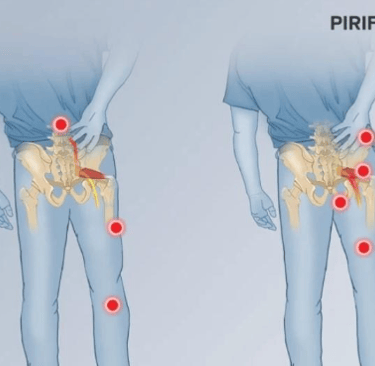
Piriformis syndrome is a condition characterizd by spasms in the piriformis muscle, located deep within the buttock. This muscle spasm can lead to buttock pain and may irritate the nearby sciatic nerve, causing symptoms like pain, numbness, and tingling that extend down the back of the thigh and leg, mimicking sciatica.
Iyad Ali
12/21/20252 min read
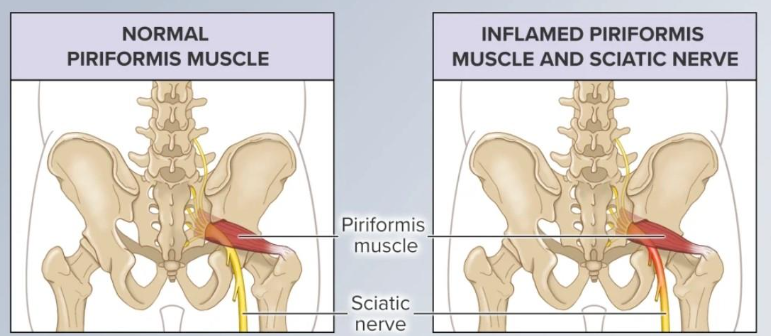
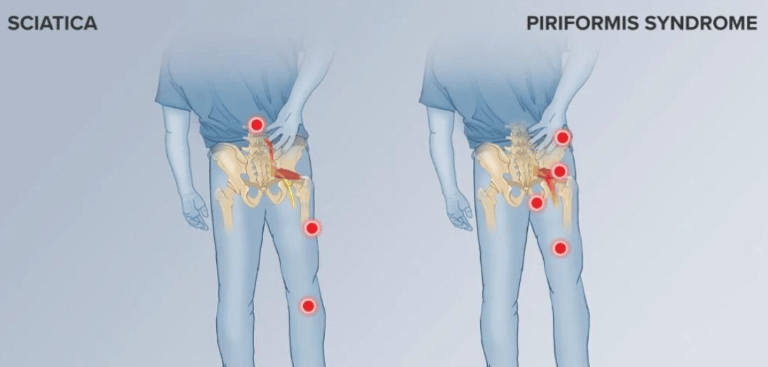
Piriformis syndrome is a condition characterized by spasms in the piriformis muscle, located deep within the buttock. This muscle spasm can lead to buttock pain and may irritate the nearby sciatic nerve, causing symptoms like pain, numbness, and tingling that extend down the back of the thigh and leg, mimicking sciatica.
Research suggests that piriformis syndrome may be the cause of pain in up to 17% of individuals experiencing chronic low back and leg pain. The hallmark symptoms include sharp, shooting, burning, or aching pain in the buttock, pain radiating down the back of the thigh and leg, and numbness, tingling, or weakness in the buttock and/or leg. These symptoms typically affect one side of the body and can worsen with prolonged sitting or activities involving hip movement, such as walking or climbing stairs. Direct pressure on the affected buttock may also cause pain and tenderness.
The piriformis muscle itself is small and situated deep in the buttock, beneath the gluteus maximus. It originates near the lower spine, crosses the pelvis, and inserts into the thighbone. Its primary functions include rotating the hip outward when the leg is straight and abducting the hip when the leg is bent. It also plays a crucial role in stabilizing the hip joint, which is essential for balance during walking. Furthermore, it aids in maintaining posture, and weakness or imbalance in this muscle can contribute to postural issues like an excessive lower back arch or a tilted pelvis.
The strategic location of the piriformis muscle makes it vital for most lower body movements. Overuse or direct injury to this muscle, such as from a fall or trauma, can cause it to become a source of pain. Sudden or repetitive trauma can lead to muscle spasms, tightening, or hypertrophy (enlargement), resulting in mild to debilitating buttock pain that can become chronic if left untreated.
Piriformis syndrome can be mistaken for or mimic symptoms of other conditions affecting the pelvis, lower back, and leg, such as sciatica (caused by spinal nerve root compression from herniated discs, spinal stenosis, or sacroiliac joint dysfunction) or localized nerve compression in the pelvis. It's important to note that these conditions can also co-exist with piriformis syndrome, necessitating a thorough medical evaluation.
In most cases, piriformis syndrome can be effectively managed with non-surgical treatments like physical therapy, stretching exercises, and medications. Approximately 85% of individuals recover from piriformis syndrome pain with these conservative approaches. Mild pain may resolve with rest in a day or two, but if the muscle is acutely inflamed, pain might persist for several days or weeks, requiring targeted treatment to prevent chronicity. A guided physical therapy program typically leads to complete symptom resolution within 1 to 3 weeks, which might include Laser therapy, exercises, stretching, shockwave therapy and electric stimulation. However, if left untreated, deep buttock pain can worsen over time, potentially lasting for two years or more with gradual symptom progression.
Certain symptoms may indicate a more serious underlying condition and warrant immediate medical attention. These include severe leg weakness, loss of motor function, groin pain and numbness, or loss of bowel and bladder control, which could signal cauda equina syndrome. Additionally, severe back pain following an accident or trauma, or back pain accompanied by fever or unexplained weight loss, also requires prompt medical evaluation. Consulting a physician is crucial to determine the exact cause of symptoms and develop an appropriate treatment plan.
CBP Precision Spine Center
Villa 336, 18th November St
Azaiba, Muscat
Oman, 130
Quick Links
Subscribe To Our News Letter!
info@CBPSJ.com
+968 7277 7796
© 2024. All rights reserved.